US-Korean Co-Productions: 2026 Challenges and Triumphs Revealed
Advertisements
The evolving landscape of US-Korean co-productions in 2026 presents a captivating blend of unique challenges in cultural integration and significant triumphs in global market expansion and creative synergy.
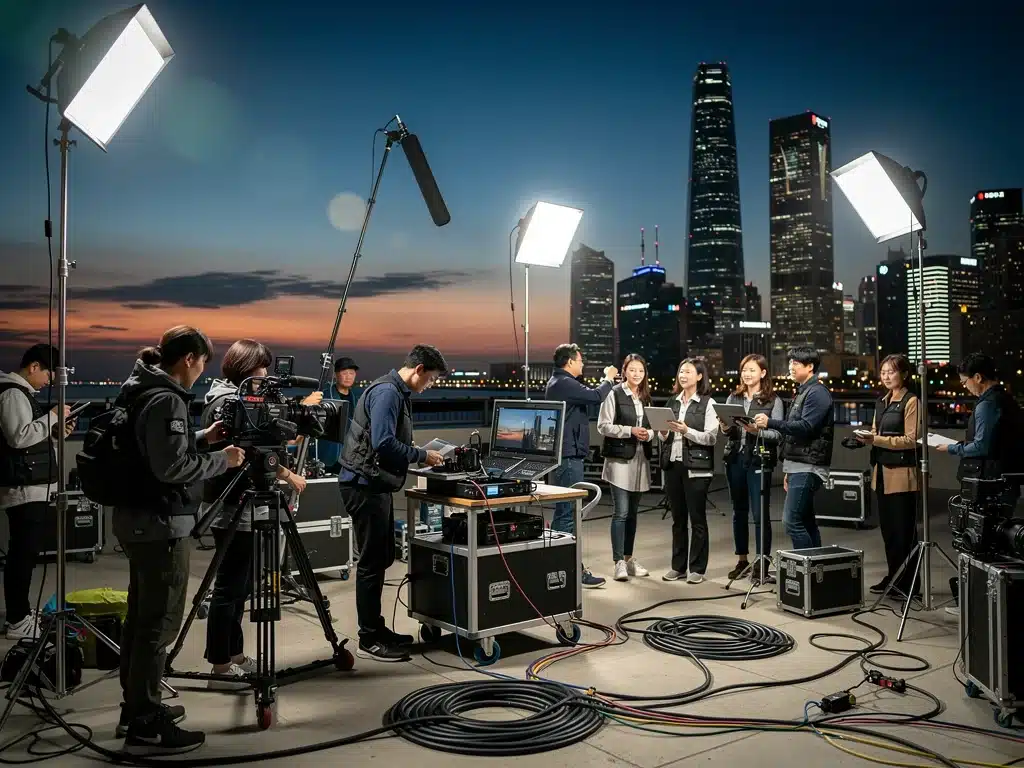
Welcome to an exclusive look behind the scenes: a 2026 deep look into the production challenges and triumphs of US-Korean co-productions. The collaboration between Hollywood and the thriving Korean entertainment industry has never been more vibrant, yet it’s a path fraught with intricate hurdles and remarkable successes. This exploration delves into the nuanced world where creative visions from two distinct cultures converge, shaping the future of global storytelling.
Advertisements
Navigating Cultural Divides in Storytelling
The essence of any successful co-production lies in its ability to resonate with diverse audiences while maintaining authenticity. For US-Korean ventures, this often means bridging significant cultural divides in narrative structure, character development, and thematic expression. The challenge is not merely translation but transcultural adaptation, ensuring the story’s core message is understood and appreciated by both Western and Eastern viewers.
In 2026, filmmakers are employing innovative strategies to tackle these cultural nuances. One key approach involves early and continuous collaboration at the scriptwriting stage, bringing together writers from both backgrounds to infuse perspectives that naturally blend.
The Art of Transcultural Scripting
Creating a script that speaks to multiple audiences requires a delicate balance. It’s about finding universal human experiences while respecting specific cultural sensitivities. This often involves:
- Integrating diverse mythological or folkloric elements that resonate universally.
- Developing character arcs that transcend typical cultural stereotypes.
- Employing humor and dramatic tension that translates effectively across languages and customs.
The goal is to craft a narrative that feels organic to both US and Korean contexts, avoiding superficial overlays. This deep integration ensures that the story’s emotional impact remains intact, regardless of the viewer’s cultural background. The successes seen in recent years are a testament to the growing expertise in this specialized field.
Ultimately, successful cultural navigation in storytelling hinges on mutual respect and a genuine desire to learn from one another. This collaborative spirit transforms potential pitfalls into opportunities for richer, more profound narratives that captivate a global audience. The journey from concept to screen is a testament to the power of shared vision.
Overcoming Production Logistical Complexities
Beyond the creative aspects, the logistical challenges of US-Korean co-productions are substantial. Coordinating schedules, managing budgets across different currencies, and adhering to varied legal and regulatory frameworks demand meticulous planning and execution. The year 2026 has seen a rise in specialized production teams dedicated solely to international collaborations.
These teams act as crucial intermediaries, streamlining communication and ensuring that both sides operate efficiently. From casting to location scouting, every step requires careful consideration of both US and Korean industry standards and practices. The complexity is often underestimated, but its successful management is vital.
Harmonizing Legal and Financial Frameworks
One of the most critical areas of logistical complexity involves legal and financial harmonization. Different intellectual property laws, tax incentives, and labor regulations between the US and Korea necessitate robust legal counsel and financial planning. Navigating these requires a deep understanding of international law and local market conditions.
- Establishing clear intellectual property rights and revenue-sharing agreements early on.
- Understanding and leveraging tax credits and incentives available in both countries.
- Ensuring compliance with labor laws and union regulations in both jurisdictions.
These financial and legal blueprints are often the backbone of a co-production, preventing disputes and ensuring a smooth operational flow. Without meticulous attention to these details, even the most promising creative projects can falter due to bureaucratic hurdles. The investment in expert legal and financial teams is non-negotiable for these large-scale endeavors.
The ability to adapt quickly to unforeseen logistical issues is also a hallmark of successful co-production teams. Whether it’s a sudden change in filming location or an adjustment to budgetary allocations, flexibility and problem-solving skills are paramount. This dynamic environment requires constant communication and a proactive approach to potential problems.
Technological Convergence and Innovation
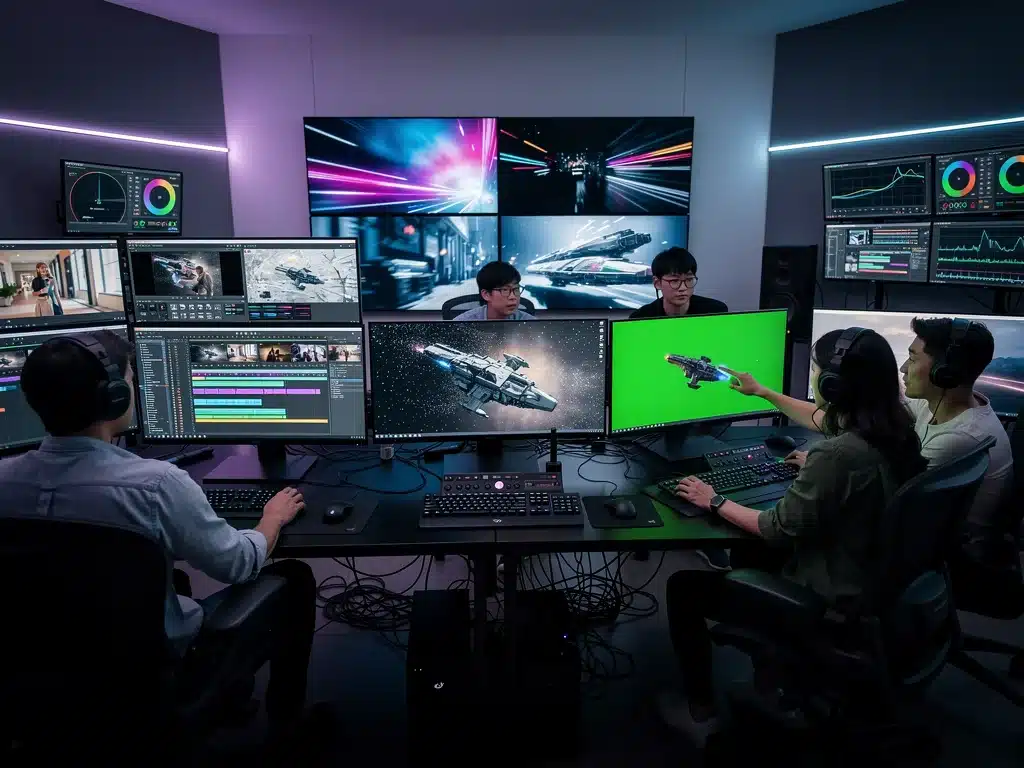
Technological advancements are playing an increasingly pivotal role in bridging the geographical gap and enhancing the quality of US-Korean co-productions. In 2026, virtual production techniques, advanced CGI, and sophisticated remote collaboration tools have become standard, allowing seamless integration of teams located thousands of miles apart. This convergence is revolutionizing how films and series are made.
The adoption of these technologies not only reduces travel costs and time but also opens up new creative possibilities. Directors and producers can oversee complex visual effects sequences or even entire scenes from different continents, ensuring a consistent artistic vision across the entire project. This technological leap has been a game-changer for international collaboration.
Revolutionizing Production with Virtual Tools
Virtual production, in particular, has seen significant advancements, offering unprecedented control and flexibility. Using LED walls and real-time rendering, filmmakers can create immersive environments that blend physical sets with digital extensions. This technology is particularly beneficial for:
- Pre-visualization of complex action sequences and fantastical worlds.
- Reducing the need for extensive location shooting, saving time and resources.
- Allowing real-time adjustments to lighting and environments, enhancing creative control.
Furthermore, cloud-based collaboration platforms have become indispensable. These tools enable shared access to project files, real-time editing, and secure communication channels, facilitating efficient workflows between US and Korean crews. The integration of AI-powered translation tools also aids in breaking down language barriers during technical discussions, ensuring clarity and precision.
The continuous evolution of these technologies promises to further streamline international co-productions, making them more accessible and efficient. The innovation driven by the demands of global storytelling is pushing the boundaries of what’s possible in filmmaking, creating a truly interconnected production ecosystem.
Talent Exchange and Creative Synergy
One of the most exciting aspects of US-Korean co-productions is the vibrant exchange of talent. Actors, directors, cinematographers, and other crew members from both countries are increasingly collaborating, leading to a rich fusion of creative styles and expertise. This cross-cultural pollination enriches the storytelling and elevates the overall production quality.
The synergy created when diverse talents come together often results in innovative approaches to filmmaking that neither side might have achieved independently. Korean directors bring their distinctive visual flair and emotional depth, while US counterparts often contribute expertise in large-scale production management and global marketing strategies. This blend is a powerful formula for success.
Fostering Cross-Cultural Creative Teams
Building effective cross-cultural creative teams involves more than just talent acquisition; it requires fostering an environment of mutual learning and respect. Workshops and cultural immersion programs are becoming more common, helping team members understand each other’s working styles and cultural norms. This proactive approach minimizes misunderstandings and maximizes creative output.
- Organizing joint training sessions on industry best practices from both regions.
- Encouraging language exchange programs among crew members.
- Providing cultural sensitivity training to all involved personnel.
The result is often a more nuanced and globally appealing product. Actors gain exposure to different acting methodologies, while technical crews learn new techniques and workflows. This continuous learning environment benefits individuals and ultimately strengthens the entire production. The collaborative spirit is a driving force behind the artistic triumphs.
The success stories of talent exchange serve as powerful examples of how combining diverse skills and perspectives can lead to groundbreaking creative achievements. This synergy is not just about producing a film or series; it’s about building lasting professional relationships and fostering a genuinely global creative community.
Marketing and Distribution in a Globalized Market
Successfully marketing and distributing US-Korean co-productions in 2026 requires a sophisticated understanding of a highly globalized and fragmented media landscape. What resonates with US audiences might not necessarily appeal to Korean viewers, and vice-versa. Therefore, tailored marketing strategies are essential, often involving multiple campaigns designed for specific regional markets.
The rise of global streaming platforms has significantly eased the distribution process, but it also means competing in an incredibly crowded content market. Standing out requires innovative marketing that highlights the unique blend of cultures and storytelling present in these co-productions. The challenge is to create a universal appeal while respecting local preferences.
Crafting Tailored Marketing Campaigns
Effective marketing for co-productions goes beyond simple translation; it involves cultural localization of promotional materials. This includes:
- Developing region-specific trailers and teasers that emphasize different aspects of the story.
- Collaborating with local influencers and media personalities to promote the content.
- Utilizing data analytics to understand audience preferences in various markets.
Distribution strategies also vary. While global streaming deals are common, some co-productions opt for theatrical releases in key markets, followed by streaming windows. The decision depends heavily on the genre, target audience, and the financial goals of the production. The flexibility to adapt distribution models is crucial in this dynamic environment.
The triumph in marketing and distribution often comes from a deep understanding of global trends combined with a keen awareness of local cultural nuances. This dual approach ensures that the hard work put into production translates into widespread viewership and critical acclaim across diverse territories.
The Future Outlook: Sustainability and Growth
Looking ahead to the mid-2020s and beyond, the future of US-Korean co-productions appears robust, marked by a drive towards greater sustainability and continuous growth. The lessons learned from previous challenges are paving the way for more efficient and creatively ambitious projects. There’s a clear recognition that these collaborations are not just fleeting trends but a fundamental shift in global entertainment production.
Investment in long-term partnerships, joint ventures, and shared infrastructure is increasing, indicating a commitment to sustained collaboration. This strategic foresight ensures that the momentum gained in recent years continues to build, fostering an even more integrated and productive relationship between the US and Korean entertainment industries.
Investing in Enduring Partnerships
The sustainability of co-productions relies heavily on building strong, enduring partnerships rather than one-off projects. This involves:
- Establishing clear communication channels and trust between production companies.
- Developing shared training programs for emerging talent from both nations.
- Exploring co-financing models that benefit all stakeholders equally.
Furthermore, the focus is increasingly on producing content that appeals to a broader demographic, moving beyond niche markets. This expansion strategy aims to maximize reach and revenue, making co-productions an even more attractive proposition for investors. The growth trajectory is supported by a growing global appetite for diverse, high-quality storytelling.
The commitment to innovation, cultural understanding, and strategic partnerships positions US-Korean co-productions for continued success. As the global entertainment landscape evolves, these collaborations will undoubtedly remain at the forefront, delivering compelling narratives that captivate and connect audiences worldwide.
| Key Aspect | Description |
|---|---|
| Cultural Integration | Bridging narrative and thematic differences for global appeal. |
| Logistical Management | Coordinating complex schedules, budgets, legal, and financial frameworks. |
| Technological Adoption | Utilizing virtual production and remote tools for seamless collaboration. |
| Talent Exchange | Fostering creative synergy through cross-cultural talent collaboration. |
Frequently Asked Questions About US-Korean Co-Productions
Primary cultural challenges include harmonizing narrative styles, character development, and thematic expressions to appeal to both Western and Eastern audiences. This requires deep transcultural understanding and often involves collaborative scriptwriting from diverse cultural backgrounds to ensure authenticity and broad appeal.
Logistical complexities are managed through specialized production teams that streamline communication, coordinate schedules, and navigate varied legal and financial frameworks. Meticulous planning in areas like intellectual property, tax incentives, and labor laws is crucial, often involving expert legal and financial counsel from both regions.
In 2026, technological innovations like virtual production techniques, advanced CGI, and sophisticated remote collaboration tools are pivotal. These technologies enable seamless integration of geographically dispersed teams, reduce production costs, and enhance creative control, revolutionizing how international films and series are produced.
Talent exchange fosters creative synergy by blending diverse styles and expertise from both US and Korean artists. This cross-cultural pollination enriches storytelling and elevates production quality. It also leads to innovative approaches to filmmaking that might not be achieved by either side working independently, creating more nuanced content.
Marketing and distribution strategies involve tailored campaigns for specific regional markets, often using culturally localized promotional materials. This includes region-specific trailers, influencer collaborations, and data analytics. Global streaming platforms are key, but theatrical releases in specific markets are also utilized, adapting to diverse audience preferences.
Conclusion
The journey of US-Korean co-productions into 2026 reveals a landscape rich with both formidable challenges and inspiring triumphs. From the intricate dance of cultural integration in storytelling to the complex orchestration of logistical and financial frameworks, every aspect demands a nuanced approach. Yet, the relentless pursuit of creative synergy, powered by technological innovation and a vibrant exchange of talent, continues to push the boundaries of global entertainment. These collaborations are not merely transactional; they represent a profound evolution in how stories are conceived, produced, and shared across borders, promising an even more interconnected and diverse cinematic future.
