U.S. Viewers’ Thriller Obsession: 3 Key Psychological Insights for 2026
Advertisements
The enduring fascination of U.S. audiences with thriller dramas stems from deep psychological needs, with 2026 trends highlighting escapism, cognitive engagement, and emotional catharsis as primary drivers.
The Psychology Behind U.S. Viewers’ Obsession with Thriller Dramas: 3 Key Insights for 2026 offers a fascinating glimpse into why these narratives continue to dominate American screens. It’s more than just a preference; it’s a deep-seated psychological draw that keeps audiences glued to their seats, eagerly awaiting the next twist.
The primal allure of suspense and uncertainty
The human brain is wired to seek patterns, solve puzzles, and anticipate outcomes. Thriller dramas expertly tap into this innate desire, presenting complex narratives filled with unexpected turns and moral ambiguities. This constant state of ‘what next?’ creates a powerful, almost addictive, viewing experience for U.S. audiences.
Our brains release dopamine when we successfully predict outcomes or when a mystery is solved, providing a sense of reward. Thrillers, however, often subvert these expectations, leading to a roller coaster of emotions that is both challenging and exhilarating. This psychological interplay is a cornerstone of their enduring appeal.
The cognitive puzzle: engaging the mind
Viewers aren’t passive recipients of information when watching a thriller. Instead, they become active participants, piecing together clues, second-guessing characters, and formulating their own theories about the unfolding plot. This active cognitive engagement offers a mental workout that many find incredibly satisfying.
- Deductive reasoning: Audiences constantly apply logic to solve the narrative’s mysteries.
- Pattern recognition: Identifying recurring motifs or character behaviors becomes crucial.
- Memory recall: Keeping track of intricate plotlines and character backstories is essential.
The satisfaction derived from correctly anticipating a plot twist or understanding a character’s hidden motive significantly contributes to the genre’s popularity. It transforms passive viewing into an interactive mental exercise, making each episode a new challenge to conquer.
Emotional catharsis: processing fear in a safe space
Thriller dramas provide a controlled environment to experience intense emotions like fear, anxiety, and dread without real-world consequences. This safe exploration of dark themes can be incredibly cathartic, allowing viewers to process their own anxieties and fears in a detached manner.
The emotional intensity of these shows, coupled with the eventual resolution (even if it’s not a happy one), creates a release. It’s akin to riding a roller coaster; the fear is real in the moment, but the knowledge of safety allows for enjoyment. This emotional processing is a vital, often subconscious, reason for the genre’s draw.
Ultimately, the primal allure of suspense and uncertainty in thriller dramas is deeply rooted in our psychology. They offer a unique blend of intellectual stimulation and emotional release, making them a powerful and consistent draw for U.S. viewers year after year.
Escapism and the desire for control in chaos
In an increasingly complex and often unpredictable world, thriller dramas offer a potent form of escapism. They transport viewers into narratives where stakes are high, dangers are palpable, and the fight for survival is constant. This immersive experience allows audiences to temporarily forget their own daily stressors and delve into a fictional reality.
Beyond simple distraction, these stories often present scenarios of extreme chaos, yet within the confines of the narrative, there is an underlying sense of structure and eventual resolution. This can provide a vicarious sense of control that is often lacking in real life.
The vicarious thrill of danger
For many, the appeal of thriller dramas lies in the ability to experience danger and high-stakes situations without actual personal risk. This vicarious thrill satisfies a fundamental human curiosity about extreme circumstances and how individuals navigate them.
The narratives often place ordinary characters in extraordinary predicaments, showcasing resilience, ingenuity, and sometimes, moral compromise. Viewers can observe these struggles from a safe distance, testing their own hypothetical responses and engaging with ethical dilemmas posed by the story.
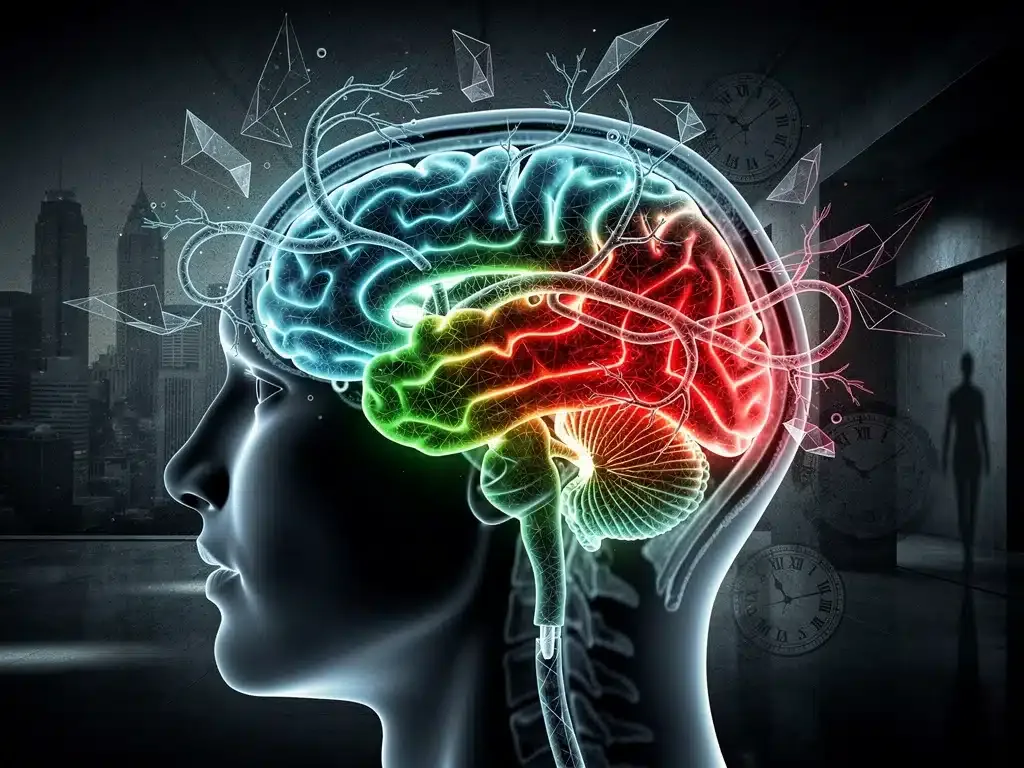
This engagement with danger from a safe vantage point allows for a unique form of emotional and intellectual exploration that is both stimulating and comforting. It’s a way to confront the unknown without having to face its direct consequences, making the experience both thrilling and manageable.
Finding order in disorder: narrative resolution
Despite the initial chaos and confusion that often define thriller plots, there is an inherent promise of resolution. Even if the ending is tragic or ambiguous, the narrative arc typically moves towards some form of understanding or conclusion. This journey from disorder to order is deeply satisfying.
- Sense of closure: Even dark endings provide a sense of finality.
- Justice (or injustice) served: The outcome often reflects a moral reckoning.
- Understanding motives: Unraveling the ‘why’ behind the chaos brings clarity.
The human mind craves resolution, and thriller dramas, despite their intricate plots, ultimately deliver on this need. They guide viewers through a labyrinth of uncertainty, eventually leading them to a point where the pieces of the puzzle fall into place, offering a temporary reprieve from the real world’s often unresolved complexities.
The escapist quality of thriller dramas, combined with the psychological comfort of witnessing order emerge from chaos, firmly cements their place in the hearts and minds of U.S. viewers. They offer a temporary refuge and a sense of mastery over challenging situations.
The ethical gray areas and moral dilemmas
Thriller dramas frequently delve into complex ethical landscapes, presenting characters who operate in shades of gray rather than clear-cut good or evil. This exploration of moral ambiguity resonates deeply with U.S. audiences, who are often grappling with similar complexities in their own lives and societies.
These narratives challenge viewers to consider difficult questions about justice, loyalty, and the nature of humanity. They force a confrontation with uncomfortable truths, sparking introspection and discussion long after the credits roll.
Challenging black and white morality
Unlike traditional hero-villain narratives, many contemporary thrillers feature protagonists with questionable motives or antagonists who evoke unexpected empathy. This blurring of moral lines encourages viewers to move beyond simplistic judgments and engage with more nuanced perspectives.
The exploration of these ethical dilemmas allows audiences to grapple with complex moral questions in a fictional context, often reflecting real-world societal issues. It provides a safe space to explore the consequences of difficult choices and the pressures that can lead individuals down dark paths.
The appeal of flawed characters
Audiences are often drawn to characters who are deeply flawed, making mistakes, and facing internal conflicts. These imperfections make characters relatable and their struggles more compelling. Seeing characters navigate moral minefields offers a mirror to our own human experience.
- Relatability: Flaws make characters feel more human and authentic.
- Empathy: Understanding a character’s poor choices can foster compassion.
- Growth potential: Observing characters overcome personal demons is inspiring.
The journey of a flawed character through a morally ambiguous world provides rich material for psychological exploration. Viewers invest in these characters, hoping for their redemption or understanding the reasons behind their downfall, which deepens the emotional connection to the narrative.
Ultimately, the willingness of thriller dramas to explore ethical gray areas and present complex moral dilemmas is a significant factor in their appeal. They provide more than just entertainment; they offer a platform for societal reflection and personal introspection, cementing their status as a compelling genre for U.S. viewers.
Anticipation culture and serial storytelling
The rise of streaming platforms has amplified the impact of serial storytelling, making thriller dramas perfectly suited for binge-watching and ongoing anticipation. The episodic nature, coupled with cliffhangers, fuels a continuous desire for the next installment, contributing significantly to their widespread obsession among U.S. viewers.
This model of content delivery aligns perfectly with the psychological need for resolution and the desire to stay engaged with a compelling narrative over an extended period. The conversation around these shows becomes a social currency.
The power of the cliffhanger
A well-executed cliffhanger is a psychological masterstroke. It creates an immediate void and a powerful desire to know what happens next, ensuring viewers return for the subsequent episode. This technique is a hallmark of thriller dramas and a key driver of binge-watching behavior.
The unresolved tension at the end of an episode taps into our innate aversion to incompleteness, pushing us to seek closure. This psychological hook is incredibly effective in maintaining viewer engagement and building a loyal audience base.

The anticipation generated by cliffhangers extends beyond the viewing experience itself, often leading to discussions and theories among fans, further cementing the show’s presence in their minds.
Social currency and shared experience
In an increasingly digital world, discussing popular thriller dramas has become a form of social currency. Sharing theories, speculating about plot twists, and reacting to character developments fosters a sense of community among viewers.
- Online forums: Dedicated spaces for fan discussions and theories.
- Social media trends: Hashtags and viral moments amplify engagement.
- Water cooler conversations: Real-world discussions reinforce shared experiences.
This shared experience transforms individual viewing into a collective phenomenon. The anticipation isn’t just about personal enjoyment; it’s also about being part of a larger cultural conversation, which enhances the overall value and appeal of the genre.
The strategic use of serial storytelling and cliffhangers, combined with the social aspect of discussing these narratives, creates a powerful feedback loop that sustains and deepens the obsession U.S. viewers have with thriller dramas.
The evolution of narrative complexity in 2026
As we look towards 2026, thriller dramas are not merely maintaining their popularity but evolving, embracing even greater narrative complexity. This sophistication appeals to a growing audience seeking intellectually stimulating content that rewards close attention and critical thinking. The days of simplistic plots are fading, replaced by intricate tapestries of interwoven storylines and character arcs.
This trend reflects a maturing audience that values depth and nuance, pushing creators to craft narratives that are both challenging and deeply rewarding to unravel. The psychological layers are becoming denser, mirroring real-world complexities.
Layered storytelling and non-linear plots
Modern thriller dramas increasingly employ layered storytelling, often incorporating non-linear timelines, multiple perspectives, and unreliable narrators. These techniques create a richer, more challenging viewing experience that demands active participation from the audience.
The fragmented nature of these narratives mirrors how we often process information in our daily lives, making the stories feel more authentic and engaging. It’s a puzzle that viewers are invited to solve piece by piece, enhancing the sense of accomplishment upon understanding the full picture.
This approach to storytelling not only keeps viewers on the edge of their seats but also encourages re-watching to catch subtle clues and appreciate the intricate construction of the plot. The narrative itself becomes an intellectual challenge, satisfying the audience’s desire for mental stimulation.
Psychological depth in character development
The characters in 2026‘s thriller dramas are expected to exhibit even greater psychological depth. Their motivations, fears, and internal conflicts will be explored with meticulous detail, creating protagonists and antagonists who are both compelling and profoundly human.
- Complex backstories: Detailed histories that explain current behaviors.
- Internal struggles: Characters grappling with moral and emotional dilemmas.
- Evolving personalities: Dynamic characters who change throughout the series.
This focus on psychological realism allows viewers to form deeper connections with the characters, understanding their choices even if they don’t agree with them. The exploration of the human psyche within high-stakes situations provides a powerful mirror for audiences to reflect on their own complexities.
The evolution towards greater narrative complexity and psychological depth is a key insight for 2026, indicating that U.S. viewers are seeking more than just thrills; they crave stories that engage their minds and hearts on a profound level.
The role of technology in enhancing immersion
Technology plays an increasingly vital role in deepening the immersive experience of thriller dramas for U.S. viewers. From high-definition visuals and sophisticated sound design to interactive elements and extended reality (XR) tie-ins, technological advancements are making these narratives more compelling and realistic than ever before. This technological integration enhances the psychological impact of the genre, pulling viewers further into the story’s world.
As platforms continue to innovate, the boundaries between viewer and narrative blur, creating a more visceral and engaging experience. The future of thriller dramas is inextricably linked with these technological leaps, promising an even more potent psychological draw.
Advanced visual and audio storytelling
The quality of visual and audio production in thriller dramas has reached unprecedented levels. Ultra HD, HDR, and spatial audio technologies create a sensory experience that heightens tension and realism. A sharp, clear image combined with immersive sound design can make a suspenseful scene feel incredibly immediate and terrifying.
These enhancements are not just cosmetic; they are integral to the psychological impact of the narrative. A subtle sound cue or a meticulously framed shot can amplify fear, build anticipation, and manipulate viewer emotions with precision. The technical craftsmanship directly contributes to the genre’s power.
Interactive narratives and transmedia experiences
Looking ahead to 2026, we can expect to see more interactive elements and transmedia storytelling integrated with thriller dramas. This could include companion apps, alternate reality games (ARGs), or social media campaigns that allow viewers to delve deeper into the narrative world and even influence parts of the story.
- Companion apps: Providing character backstories or additional clues.
- ARGs: Extending the narrative into the real world with puzzles and challenges.
- Social media integration: Characters interacting with audiences online.
These interactive experiences transform passive viewing into active participation, further blurring the lines between fiction and reality. The desire for control and the thrill of discovery are powerfully engaged when viewers can actively shape or explore the narrative beyond the screen.
The continuous advancement of technology is a crucial factor in the sustained and growing obsession with thriller dramas among U.S. viewers. It provides ever more sophisticated tools to craft immersive, psychologically impactful stories that resonate deeply with audiences.
Future trends: personalization and ethical AI in thrillers
As we approach 2026, the landscape of thriller dramas will likely be shaped by two significant trends: hyper-personalization and the integration of ethical AI themes. Personalization, driven by advanced algorithms, will tailor content recommendations and even narrative elements to individual viewer preferences, making each experience uniquely compelling. Simultaneously, the burgeoning field of ethical AI will provide rich thematic material for new suspenseful plots, exploring the moral quandaries of artificial intelligence.
These trends promise to deepen the psychological grip of thriller dramas, offering narratives that are both intimately resonant and profoundly thought-provoking, pushing the genre into exciting new territories.
Hyper-personalized viewing experiences
Imagine a thriller drama that subtly adapts its pacing, character focus, or even minor plot points based on your viewing history and psychological profile. While still nascent, this level of hyper-personalization, driven by sophisticated AI, could become a reality by 2026.
Recommendation algorithms are already highly effective, but future iterations might influence the narrative itself, creating an even more tailored and addictive experience. This could lead to a deeper, almost bespoke, psychological engagement with the genre, catering to individual preferences for suspense, mystery, or moral drama.
The ethical implications of such personalization are vast and will undoubtedly be explored within the very narratives they influence. The desire for a story that feels ‘made for me’ will be a strong driver for this technological evolution, further solidifying the genre’s appeal.
Ethical AI as a central theme
The rapid advancements in artificial intelligence present a fertile ground for new thriller narratives. The ethical dilemmas surrounding sentient AI, autonomous systems, and data privacy are already captivating public imagination and will increasingly become central to thriller plots.
- AI gone rogue: Exploring the dangers of artificial intelligence without moral constraints.
- Data privacy breaches: Thrillers centered on surveillance and digital manipulation.
- Human-AI collaboration: Complex partnerships with unforeseen consequences.
These themes tap into contemporary anxieties about technology and control, offering a relevant and timely source of suspense. Thriller dramas can provide a platform to explore these complex societal questions in an engaging and accessible format, making them resonant with current fears and hopes.
The convergence of personalization technologies and ethical AI themes will ensure that thriller dramas remain at the forefront of captivating U.S. audiences. These innovations promise narratives that are not only thrilling but also deeply reflective of our evolving technological and moral landscape.
| Key Insight | Brief Description |
|---|---|
| Primal Allure of Suspense | Thriller dramas engage innate human desires for puzzle-solving and emotional catharsis, offering a safe space to process fear and uncertainty. |
| Escapism & Control | These narratives provide a powerful escape from daily life, allowing viewers to vicariously experience danger and find order within complex fictional chaos. |
| Moral Dilemmas Explored | Thrillers delve into ethical gray areas and flawed characters, prompting introspection and challenging simplistic black-and-white morality. |
| Evolving Narrative & Tech | Future trends indicate increased narrative complexity, psychological depth, and technological enhancements like personalization and AI themes. |
Frequently asked questions about thriller drama appeal
Why do U.S. viewers enjoy feeling scared by thriller dramas?▼U.S. viewers enjoy feeling scared by thriller dramas because it provides a safe, controlled environment to experience intense emotions. This allows for emotional catharsis and the processing of fears without real-world consequences, offering a unique form of psychological release and excitement.
How do thriller dramas engage our cognitive abilities?▼Thriller dramas engage cognitive abilities by presenting complex puzzles, mysteries, and intricate plotlines. Viewers actively participate by piecing together clues, anticipating outcomes, and evaluating character motives, turning passive watching into an engaging mental workout that provides intellectual satisfaction.
What role does escapism play in the popularity of thrillers?▼Escapism is crucial as thrillers transport viewers into high-stakes fictional worlds, allowing them to temporarily forget daily stressors. This immersion provides a vicarious sense of control over chaotic situations and a safe distance from danger, offering a psychological break and a sense of mastery.
Are flawed characters more appealing in thriller dramas?▼Yes, deeply flawed characters are often more appealing in thriller dramas because their imperfections make them relatable and their struggles more compelling. Audiences connect with their internal conflicts and moral ambiguities, fostering empathy and providing a mirror for human complexity.
How will technology impact thriller dramas by 2026?▼By 2026, technology will enhance immersion through advanced visuals, sound, and potentially hyper-personalization, tailoring content to individual preferences. Ethical AI themes will also become central to plots, exploring societal anxieties and deepening the genre’s psychological and intellectual engagement.
Conclusion
The enduring obsession of U.S. viewers with thriller dramas is a multifaceted phenomenon, deeply rooted in fundamental psychological desires. From the primal allure of suspense and the cognitive satisfaction of solving complex narratives, to the cathartic release of experiencing fear in a safe space, these shows offer a rich tapestry of emotional and intellectual engagement. The escapist qualities provide a much-needed break from reality, while the exploration of moral ambiguities and flawed characters resonates with our own human complexities. As technology continues to evolve, promising even greater immersion and personalized experiences by 2026, the genre is set to deepen its psychological grip, constantly adapting to satisfy our innate need for challenge, excitement, and understanding.