Niche K-Drama Genres Soar in US: Recent Updates
Advertisements
Recent updates highlight a significant shift in US K-drama consumption over the last three months, showing a marked increase in the popularity of niche genres as American viewers seek more diverse and specialized narratives.
The landscape of entertainment consumption in the United States is constantly evolving, and recent trends indicate a fascinating shift in preferences, particularly within the realm of Korean dramas. Over the last three months, we’ve observed a notable surge in the consumption of US K-Drama niche genres, moving beyond the traditionally popular romantic comedies and melodramas. This evolution reflects a maturing audience, increasingly adventurous in their viewing habits and eager to explore the rich tapestry of storytelling that K-dramas offer.
Understanding the evolving K-drama landscape in the US
The American appetite for K-dramas has grown exponentially over the past few years, transforming from a fringe interest into a mainstream cultural phenomenon. Initially, the appeal was largely driven by visually stunning productions and compelling romantic storylines. However, recent data suggests a deeper dive by viewers into more specialized and less conventional narratives, signaling a significant maturation of the US K-drama audience.
This shift isn’t just about more people watching K-dramas; it’s about a more discerning audience actively seeking out specific types of stories. Streaming platforms have played a pivotal role in this expansion, making a vast library of content readily accessible. This ease of access has empowered viewers to explore beyond the most heavily promoted titles, discovering hidden gems within niche categories.
The gateway to diverse narratives
- Accessibility through major streaming platforms like Netflix, Viki, and Hulu.
- Increased subtitling and dubbing options breaking down language barriers.
- Social media platforms fostering communities for niche genre discovery.
As viewers become more familiar with the K-drama format, their curiosity naturally extends to a broader spectrum of themes and genres. This exploration is a testament to the quality and diversity inherent in Korean television production, proving that K-dramas are far more than just romantic tales.
The evolving landscape also reflects a broader trend in global entertainment consumption, where audiences are increasingly globalized and open to content from different cultures. This open-mindedness is a fertile ground for niche genres to flourish, as viewers actively seek out unique perspectives and storytelling techniques that may differ from Western media.
The rise of historical fantasy and dark thrillers
Among the most prominent US K-Drama niche genres experiencing a significant uptick in popularity are historical fantasy and dark thrillers. These categories, while not entirely new, have seen a remarkable surge in viewership over the last quarter, capturing the imaginations of American audiences with their intricate plots and high production values.
Historical fantasy K-dramas often blend meticulously researched historical settings with elements of magic, mythology, and supernatural powers. This unique combination offers a rich, immersive viewing experience that appeals to those who appreciate epic storytelling and elaborate world-building. The intricate costumes, stunning cinematography, and compelling character arcs contribute to their growing allure.
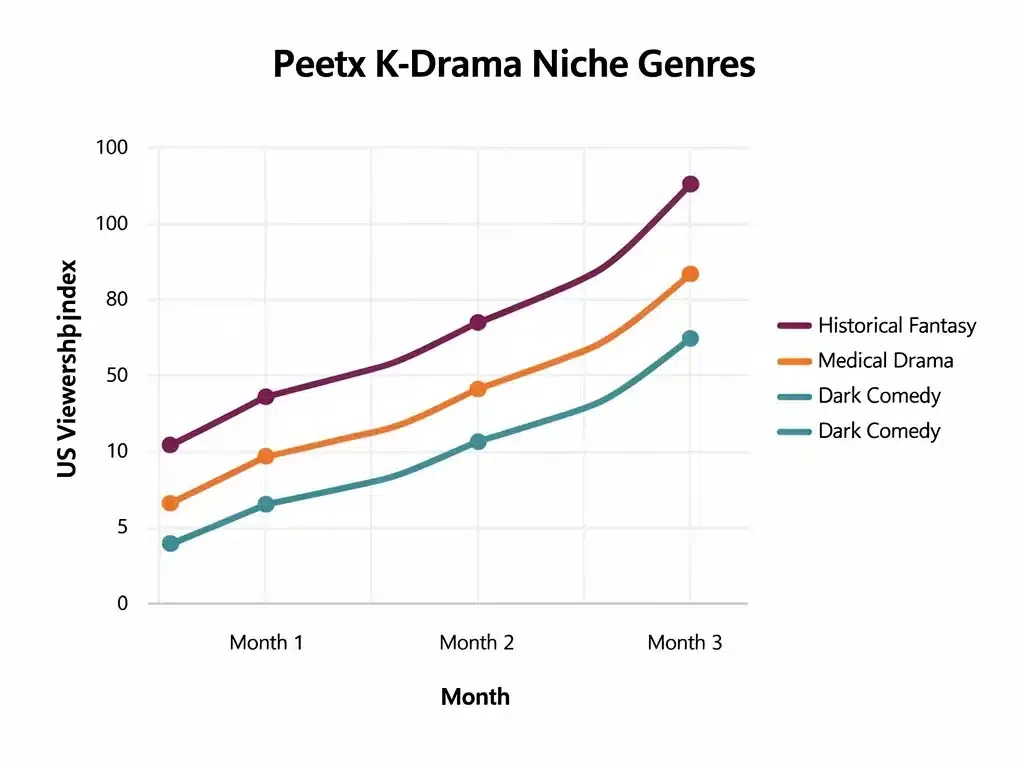
Dark thrillers, on the other hand, provide a stark contrast, delving into psychological depths, crime, and suspense. These dramas are characterized by their intense narratives, complex moral dilemmas, and often unpredictable twists. American viewers, accustomed to sophisticated Western thrillers, are finding K-drama thrillers to be equally, if not more, engaging due to their distinct cultural nuances and often bolder narrative choices.
Key elements driving their appeal
- Historical Fantasy: Rich historical backdrops, intricate mythologies, stunning visuals, and strong emotional core.
- Dark Thrillers: Psychological depth, complex villains, high stakes, and often social commentary.
The success of these genres can also be attributed to their ability to transcend cultural barriers through universal themes of power, justice, love, and survival. While the settings and cultural contexts might be distinctly Korean, the emotional resonance and narrative tension are universally understood, making them highly accessible to a global audience.
Furthermore, the high quality of acting and directing in these niche genres often rivals that of major cinematic productions, elevating the viewing experience. This commitment to excellence ensures that even the most demanding viewers find something to appreciate, further cementing their growing popularity.
Medical dramas and legal procedurals gain traction
Beyond the fantastical and the thrilling, American audiences are also increasingly drawn to US K-Drama niche genres like medical dramas and legal procedurals. These genres, while staples in Western television, offer a fresh perspective when viewed through a Korean lens, providing unique insights into different societal structures and ethical considerations.
Korean medical dramas are known for their intense surgical scenes, compelling patient stories, and often deep exploration of the personal lives and moral struggles of doctors. They frequently highlight the demanding nature of the medical profession in Korea, offering a glimpse into a healthcare system that can be both similar to and vastly different from that in the US. The emotional depth and character development are often exceptional, drawing viewers into each case.
Similarly, K-drama legal procedurals distinguish themselves with intricate plotlines that often weave together individual cases with broader societal issues and corruption. They delve into the nuances of the Korean legal system, showcasing dedicated prosecutors, tenacious lawyers, and the fight for justice against formidable odds. These dramas frequently feature strong ensemble casts and explore themes of social inequality and abuse of power, resonating with a global audience concerned with such issues.
What sets them apart
- Medical Dramas: Realistic depiction of medical procedures, focus on character ethics, and emotional patient-doctor relationships.
- Legal Procedurals: Complex case narratives, exploration of social justice, and often a critique of systemic issues.
The appeal of these genres lies in their ability to combine high-stakes professional environments with deeply personal human stories. Viewers are not just following a case or a medical procedure; they are investing in the lives and struggles of the characters, forming strong emotional connections that keep them engaged episode after episode.
The pacing of these K-dramas also tends to be very deliberate, allowing for thorough character development and plot exposition, which can be a refreshing change for viewers accustomed to faster-paced Western counterparts. This allows for a more immersive and thoughtful viewing experience.
The surprising appeal of slice-of-life and dark comedy
While high-stakes dramas dominate many conversations, the subtle charm of US K-Drama niche genres such as slice-of-life and dark comedy has also quietly captured a significant segment of the American audience. These genres offer a different kind of escapism, focusing on the everyday intricacies of life or finding humor in the most unexpected, often morbid, situations.
Slice-of-life K-dramas are characterized by their realistic portrayal of ordinary people navigating their daily lives, relationships, and personal growth. They often lack dramatic plot twists or overarching conflicts, instead finding beauty and meaning in the mundane. This genre resonates with viewers seeking comfort, relatability, and a gentle exploration of human experiences. The emphasis on character development and authentic interactions makes these dramas highly engaging and often deeply moving.
Dark comedy K-dramas, on the other hand, challenge conventional humor by finding levity in grim or taboo subjects. They often use satire, irony, and black humor to comment on societal issues, human flaws, or existential dilemmas. This genre appeals to viewers who appreciate intelligent humor and are not afraid to confront uncomfortable truths through a comedic lens. The clever writing and nuanced performances are crucial to their success.

Why these genres resonate
- Slice-of-Life: Relatability, emotional depth, focus on personal growth, and comforting realism.
- Dark Comedy: Intellectual humor, social commentary, unexpected twists, and unique narrative voice.
The increasing popularity of these genres suggests a growing appreciation for diverse narrative styles among US viewers. It indicates a willingness to explore storytelling that doesn’t always rely on traditional dramatic structures, but instead offers a more introspective or unconventional approach to entertainment. The ability of these dramas to evoke strong emotions, whether warmth or thoughtful laughter, solidifies their place in the expanding K-drama landscape.
Both slice-of-life and dark comedy genres showcase the versatility of Korean storytelling, proving that K-dramas can effectively tackle a wide range of human experiences and emotions. Their growing appeal among American audiences is a testament to their universal themes and high artistic quality.
The role of streaming platforms and social media
The unprecedented growth of US K-Drama niche genres would not be possible without the transformative power of streaming platforms and the amplifying effect of social media. These digital ecosystems have fundamentally changed how content is discovered, consumed, and discussed, especially for international productions.
Streaming services like Netflix, Viki, and Kocowa have invested heavily in acquiring and promoting K-dramas, making a vast and diverse catalog readily available to American audiences. Their recommendation algorithms often introduce viewers to new genres based on their past viewing habits, subtly guiding them towards niche content they might not have discovered otherwise. The ease of access, combined with high-quality subtitles and sometimes dubbing, removes significant barriers to entry.
Social media platforms, including Twitter, TikTok, and Reddit, serve as vital hubs for K-drama fans. These platforms allow viewers to connect, share recommendations, discuss plot theories, and celebrate their favorite shows and actors. This community aspect is particularly strong for niche genres, where dedicated fan bases can evangelize lesser-known titles, drawing in new viewers through word-of-mouth and enthusiastic endorsements.
Impactful digital drivers
- Streaming Platforms: Extensive content libraries, personalized recommendations, and high accessibility.
- Social Media: Fan communities, organic discovery, trend amplification, and global interaction.
The symbiotic relationship between streaming platforms and social media creates a powerful engine for content discovery and sustained engagement. A K-drama can quickly go viral on social media, leading to a surge in viewership on streaming platforms, which in turn fuels more social media discussion. This feedback loop is instrumental in propelling niche genres into the mainstream consciousness.
Moreover, the interactive nature of social media allows viewers to feel more connected to the content and its creators, fostering a sense of ownership and advocacy. This engagement is particularly crucial for niche content, as it helps build a loyal audience that actively champions the shows they love.
Future outlook for niche K-drama consumption
Looking ahead, the trajectory for US K-Drama niche genres appears incredibly promising. The trends observed over the last three months are not isolated incidents but rather indicators of a broader, sustained shift in audience preferences and consumption patterns. As the American audience becomes even more sophisticated and globally minded, their demand for diverse and specialized content will only continue to grow.
Producers and streaming platforms are likely to respond to this demand by investing more in a wider array of genres, moving beyond the safe bets of romantic comedies. This could lead to an even greater influx of experimental and culturally rich K-dramas, further enriching the viewing landscape for US audiences. We can anticipate more nuanced storytelling, bolder thematic explorations, and continued innovation in production.
The influence of fan communities will also remain critical. As these communities grow and become more organized, their collective voice will increasingly impact content acquisition and production decisions. Their passion for niche genres will continue to drive discovery and promote engagement, ensuring a vibrant and dynamic future for K-drama consumption in the US.
Anticipated developments
- Increased investment in diverse K-drama productions.
- Further customization of streaming recommendations for niche tastes.
- Strengthened global collaborations in K-drama production and distribution.
Ultimately, the future points towards a highly diversified and personalized K-drama viewing experience in the US. The era of a few dominant genres is giving way to an ecosystem where a broad spectrum of stories can find their dedicated audiences. This evolution is beneficial not only for viewers but also for the creative industry, fostering innovation and cross-cultural understanding.
The continued success of niche genres will also likely inspire other international content creators to explore unique storytelling approaches, leading to an even richer global entertainment landscape. The US market, with its growing appreciation for K-drama’s diverse offerings, is set to remain a key player in this exciting evolution.
| Key Trend | Brief Description |
|---|---|
| Niche Genre Surge | Significant increase in US viewership for specialized K-drama genres beyond mainstream romance. |
| Historical Fantasy & Thrillers | Growing popularity of historical settings with fantasy elements and dark, psychological suspense. |
| Streaming & Social Media Impact | Platforms and fan communities are crucial drivers for discovery and sustained engagement. |
| Evolving Audience | US viewers are becoming more discerning and adventurous, seeking diverse narratives. |
Frequently asked questions about K-drama niche genres
What are the most popular emerging niche K-drama genres in the US?▼Over the last three months, historical fantasy and dark thrillers have shown significant growth in US K-drama consumption. Additionally, medical dramas, legal procedurals, slice-of-life, and dark comedies are increasingly captivating American audiences, indicating a broadening interest beyond traditional romantic fare and mainstream offerings.
How do streaming platforms contribute to the rise of niche K-drama genres?▼Streaming platforms like Netflix and Viki play a crucial role by offering vast K-drama libraries with high-quality subtitles and dubbing. Their recommendation algorithms introduce viewers to diverse niche content, while accessibility breaks down language barriers, enabling wider exploration and discovery of specialized genres among US audiences.
Why are US audiences increasingly interested in non-romantic K-drama genres?▼US audiences are maturing in their K-drama consumption, seeking more diverse and complex narratives. They appreciate the intricate plots, high production values, and unique cultural perspectives offered by niche genres. This shift reflects a globalized viewing habit and a desire for storytelling that challenges conventional tropes, moving beyond typical romance.
What distinguishes K-drama medical and legal procedurals from Western counterparts?▼K-drama medical and legal procedurals often delve deeper into character ethics, societal issues, and personal struggles within professional settings. They offer unique insights into Korean healthcare and legal systems, combining intense professional scenarios with profound emotional depth and social commentary, distinguishing them from Western counterparts by cultural nuances and narrative pacing.
What is the future outlook for niche K-drama genres in the US market?▼The future for niche K-drama genres in the US is bright, with continued growth expected. Increased investment in diverse productions, more personalized streaming recommendations, and stronger fan community influence will drive this expansion. The US market will likely see an even richer variety of K-dramas, fostering greater cultural exchange and storytelling innovation.
Conclusion
The recent updates on US K-drama consumption clearly illustrate a dynamic and evolving landscape, marked by the significant rise of niche genres over the past three months. This shift from predominantly mainstream romantic narratives to a diverse array of historical fantasies, dark thrillers, medical dramas, legal procedurals, slice-of-life, and dark comedies signifies a maturing and increasingly discerning American audience. Factors such as unparalleled streaming accessibility, high-quality production values, and robust social media communities have collectively fueled this expansion, enabling viewers to explore and connect with a broader spectrum of Korean storytelling. As this trend continues, the US K-drama market is poised for even greater diversification, promising an exciting future for both creators and consumers alike, fostering deeper cross-cultural appreciation and narrative innovation.