Fallout
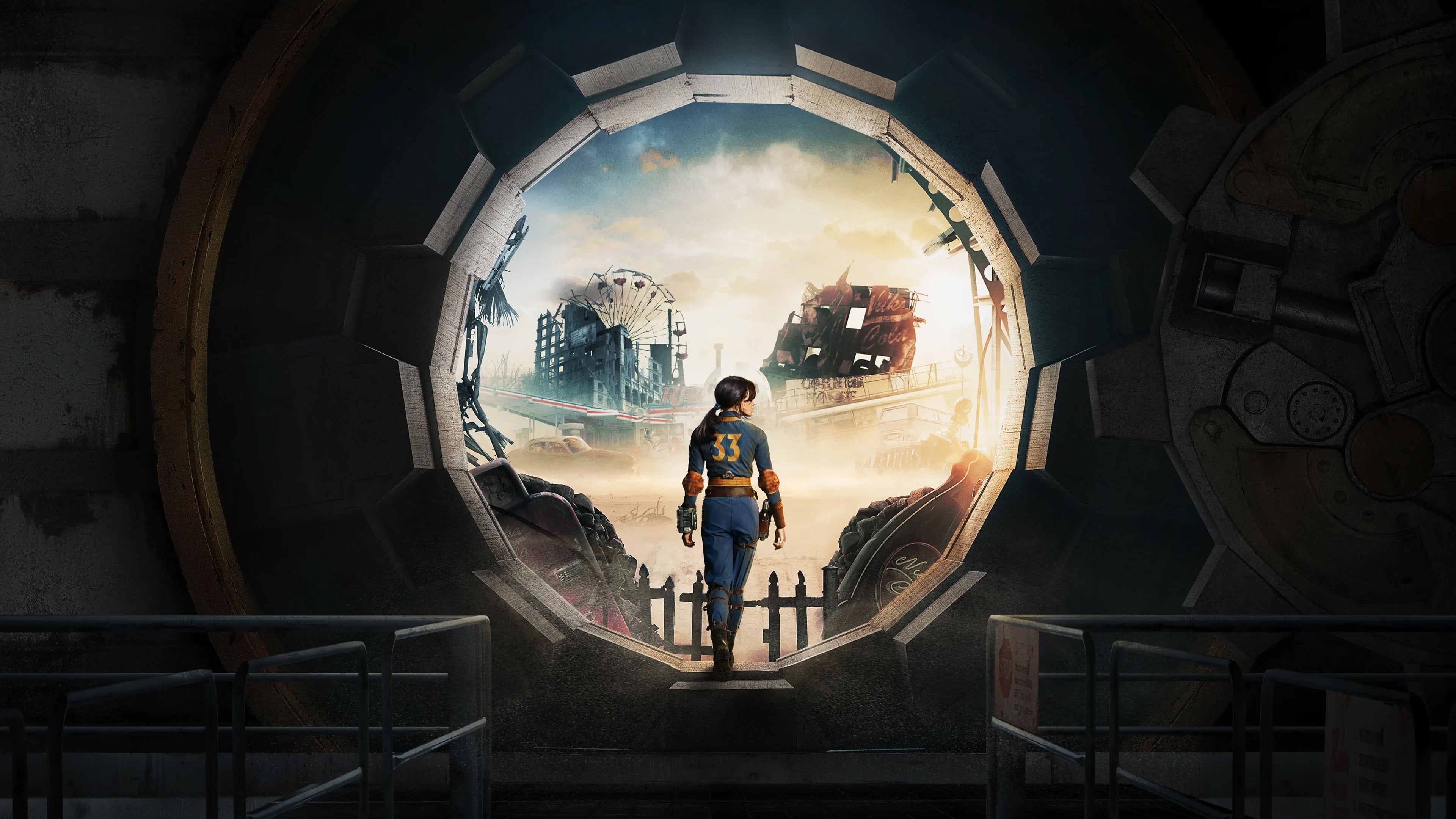
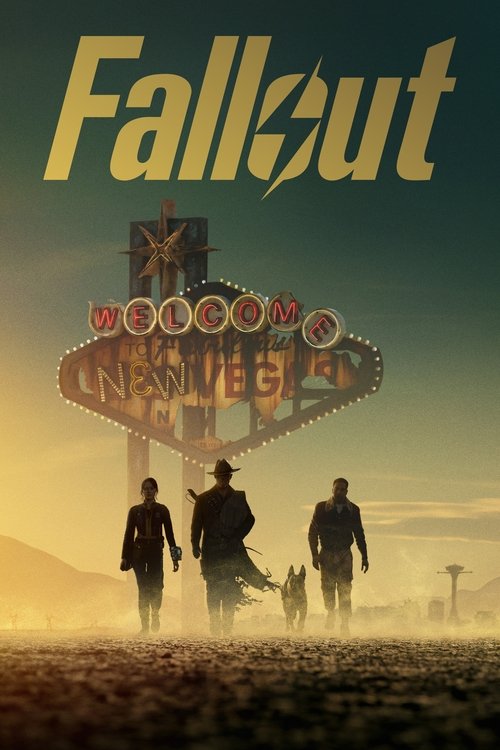
The story of haves and have-nots in a world in which there’s almost nothing left to have. 200 years after the apocalypse, the gentle denizens of luxury fallout shelters are forced to return to the irradiated hellscape their ancestors left behind — and are shocked to discover an incredibly complex, gleefully weird, and highly violent universe waiting for them.
Episodes
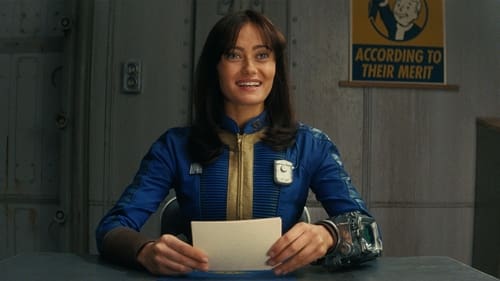
The End
Okey dokey...
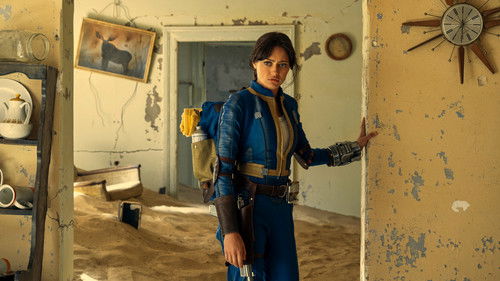
The Target
I know life can't have been easy up here...
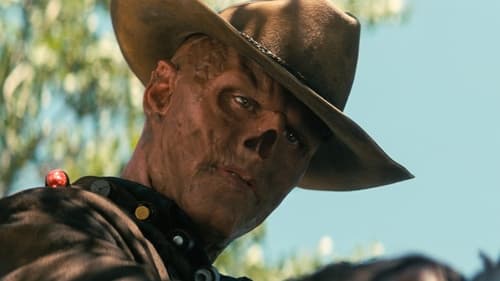
The Head
The Wasteland's got its own Golden Rule...
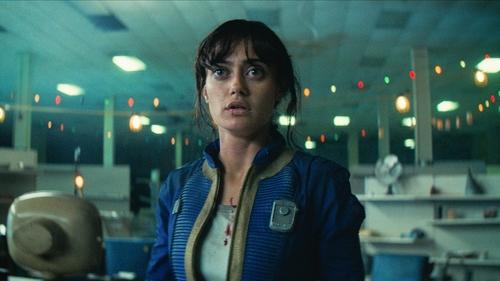
The Ghouls
Death to Management.
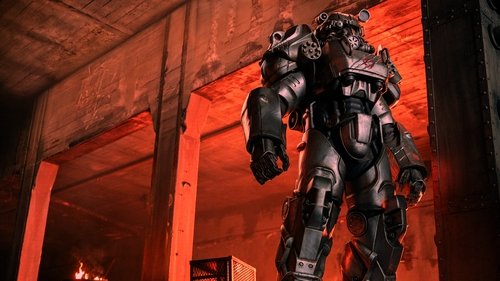
The Past
Everyone wants to save the world...
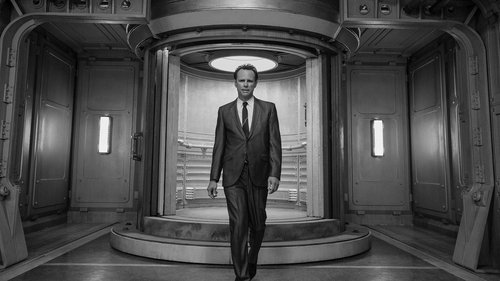
The Trap
What happens when the ranchers have more power than the Sheriff?
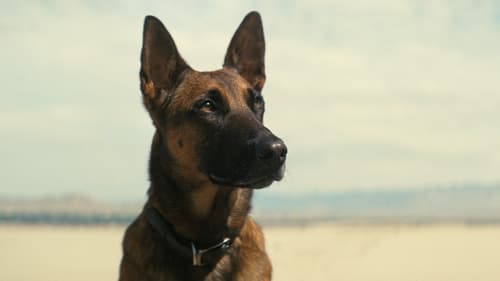
The Radio
Every generation has their own dumbass ideas...
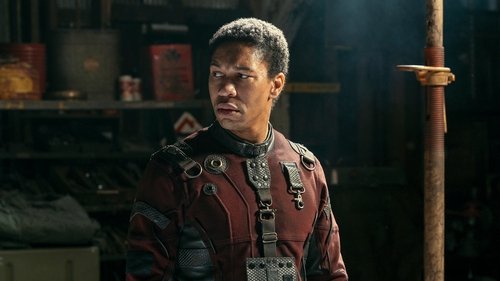
The Beginning
War...
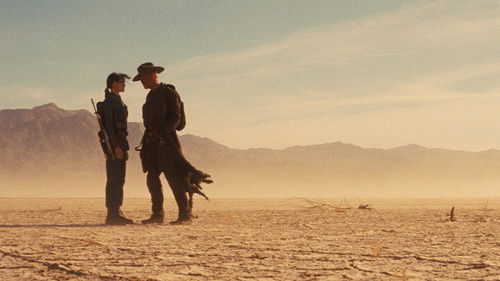
The Innovator
Every dollar spent is a vote cast.
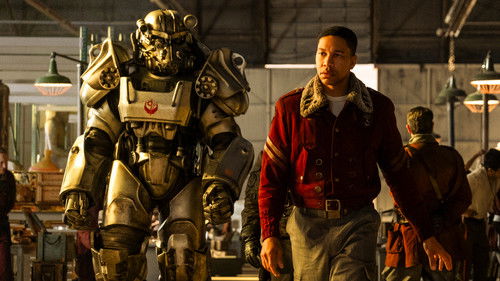
The Golden Rule
You can't put a price on family…
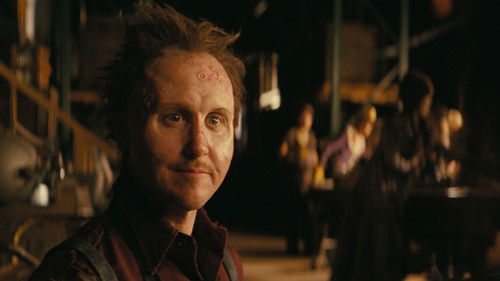
The Profligate
Most kids are dead by this age.
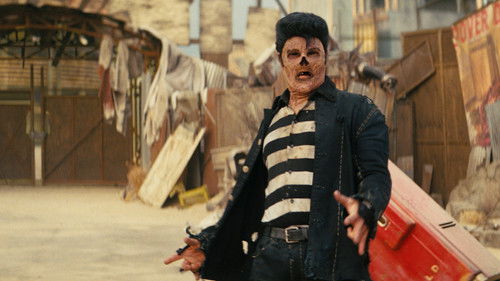
The Demon in the Snow
Rock to spear and so on...
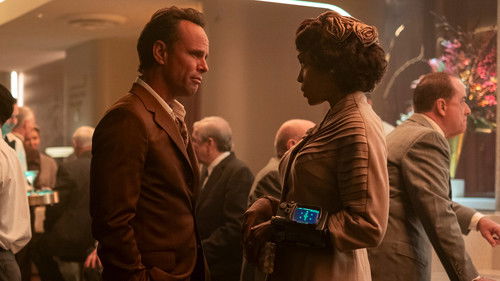
The Wrangler
Big Whoop.
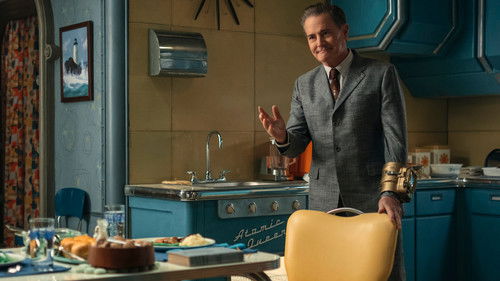
The Other Player
I remember good people.
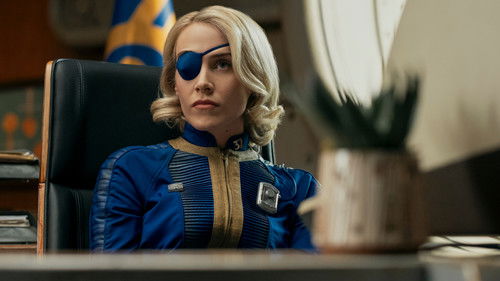
The Handoff
You always end up back where you started.
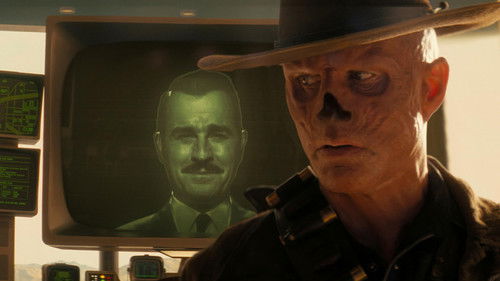
The Strip
Winning might be overrated...




Where to watch


THEDORAMA.COM Review
In a landscape saturated with post-apocalyptic narratives, Amazon’s *Fallout* emerges not merely as a survival tale, but as a darkly comedic, often unsettling, examination of societal memory and engineered innocence. The series, based on the beloved game franchise, manages to sidestep the usual pitfalls of adaptation by embracing its source material’s bizarre heart rather than just its aesthetic.
The initial allure of *Fallout* lies in its audacious commitment to contrast. Lucy (Ella Purnell), a vault dweller of almost cartoonish optimism, is thrust into a wasteland that is simultaneously grotesque and vibrant. Purnell’s performance is a masterclass in controlled naiveté, her wide-eyed wonder slowly fracturing into steely resolve. This isn’t a simple hero’s journey; it’s an anthropological study of a mind unequipped for genuine savagery. Walton Goggins, as the Ghoul, is a revelation, his dual performance as the pre-war cowboy and the irradiated bounty hunter offering a chilling reflection on moral decay and enduring human ugliness. His portrayal is less a character and more a living indictment of humanity’s capacity for self-destruction.
The direction masterfully balances the vast, desolate exteriors with the claustrophobic, retro-futuristic interiors of the vaults. The cinematography, particularly in wide shots of the irradiated landscape, evokes a haunting beauty, a world scarred but not entirely devoid of life. However, the narrative structure, while ambitious in its multiple converging storylines, occasionally sacrifices thematic depth for plot momentum. Some character arcs, particularly those orbiting the more overtly comedic elements, feel underdeveloped, their motivations occasionally thin in comparison to the meticulously crafted world. The series hints at profound critiques of capitalism, class disparity, and the myth of American exceptionalism, yet it sometimes pulls its punches, opting for spectacle over sustained philosophical inquiry.
Ultimately, *Fallout* is a daring piece of television. It’s a series that respects its audience enough to present them with a world both absurd and deeply resonant. While it occasionally stumbles in its attempt to juggle its myriad ideas, its strengths lie in its unforgettable characters, its unflinching gaze at humanity’s capacity for both cruelty and resilience, and its refusal to simplify the complex tapestry of a shattered world. It’s a worthwhile descent into madness, a vibrant, violent, and surprisingly thoughtful expedition into the remnants of civilization.