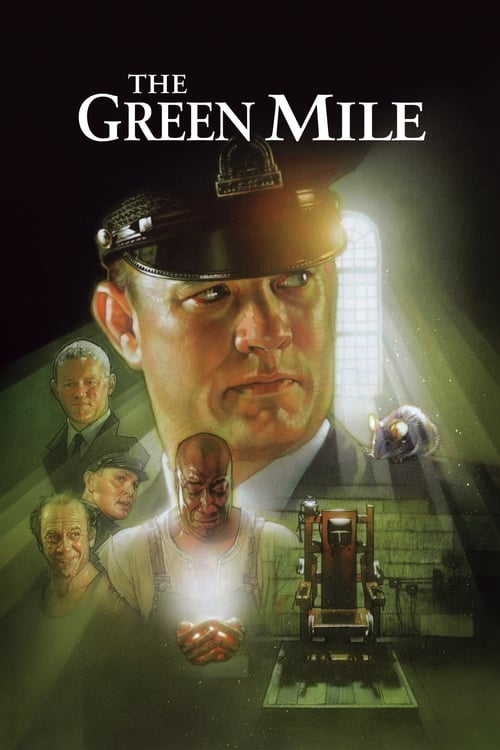
The Green Mile
A supernatural tale set on death row in a Southern prison, where gentle giant John Coffey possesses the mysterious power to heal people’s ailments. When the cell block’s head guard, Paul Edgecomb, recognizes Coffey’s miraculous gift, he tries desperately to help stave off the condemned man’s execution.









Where to watch


THEDORAMA.COM Review
Frank Darabont’s *The Green Mile* is more than a prison drama; it’s a lament, a sprawling meditation on faith, justice, and the inexplicable cruelty of man. At nearly three hours, its ambitious canvas risks bloat, yet Darabont, adapting Stephen King, largely succeeds in crafting a narrative that feels both epic and intimately profound. This isn't entertainment; it's an experience designed to prick at the conscience.
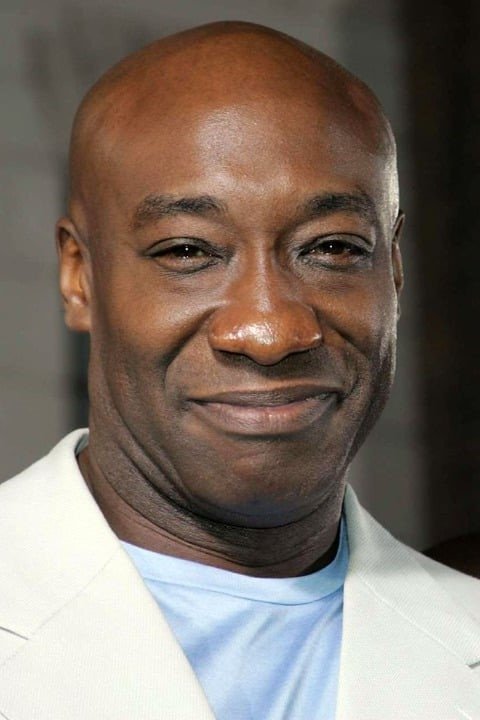
The film's strength lies in its profound emotional core, anchored by the divine dichotomy of Tom Hanks’ Paul Edgecomb and Michael Clarke Duncan’s John Coffey. Hanks, with his signature blend of earnestness and quiet authority, grounds the film in a believable human struggle against an impossible moral dilemma. Duncan, however, is the true revelation. His Coffey is not merely a gentle giant, but a vessel for the world’s pain, a Christ-like figure whose supernatural abilities are a burden rather than a blessing. Darabont’s direction here is masterful, allowing Coffey’s innocence to shine through the grim reality of death row, often framed in wide shots that emphasize his physical imposingness against his profound vulnerability.
However, the film isn't without its narrative indulgences. The supernatural elements, while central to Coffey's character, occasionally teeter on the edge of sentimentality, particularly in moments where the healing powers feel too convenient, too neat. The prolonged duration, while allowing for character development, also means certain subplots, like the cartoonishly villainous Percy Wetmore, feel overdrawn, bordering on caricature rather than complex evil. Doug Hutchison’s performance, while committed, is directed with a broadness that occasionally strains the film’s otherwise somber realism.
Cinematographically, the film embraces a sepia-toned palette, evoking a bygone era and the oppressive atmosphere of the prison. This visual choice reinforces the sense of a world trapped in time, where ancient prejudices and profound grace collide. Yet, the film's greatest triumph is its challenge to the audience: to confront the arbitrary nature of justice and the enduring mystery of goodness in a world intent on extinguishing it. *The Green Mile* may occasionally stumble in its pacing or its portrayal of evil, but its heart, and its profound questions, resonate long after the credits roll. It’s a film that demands to be felt, to be wrestled with, rather than merely watched.