

Where to watch


THEDORAMA.COM Review
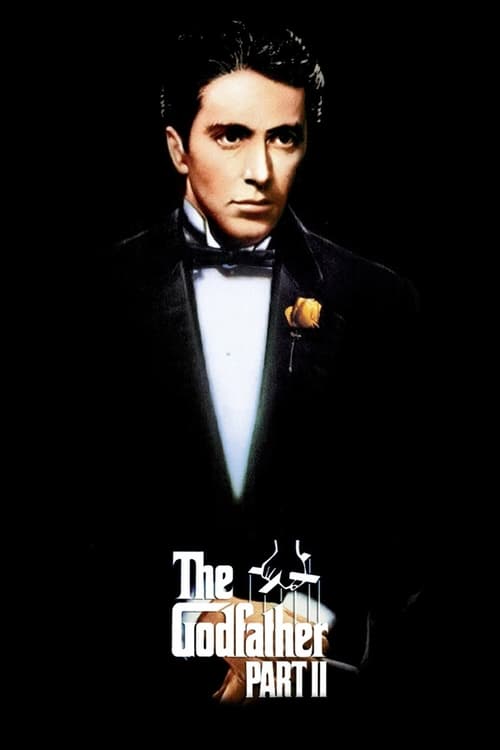
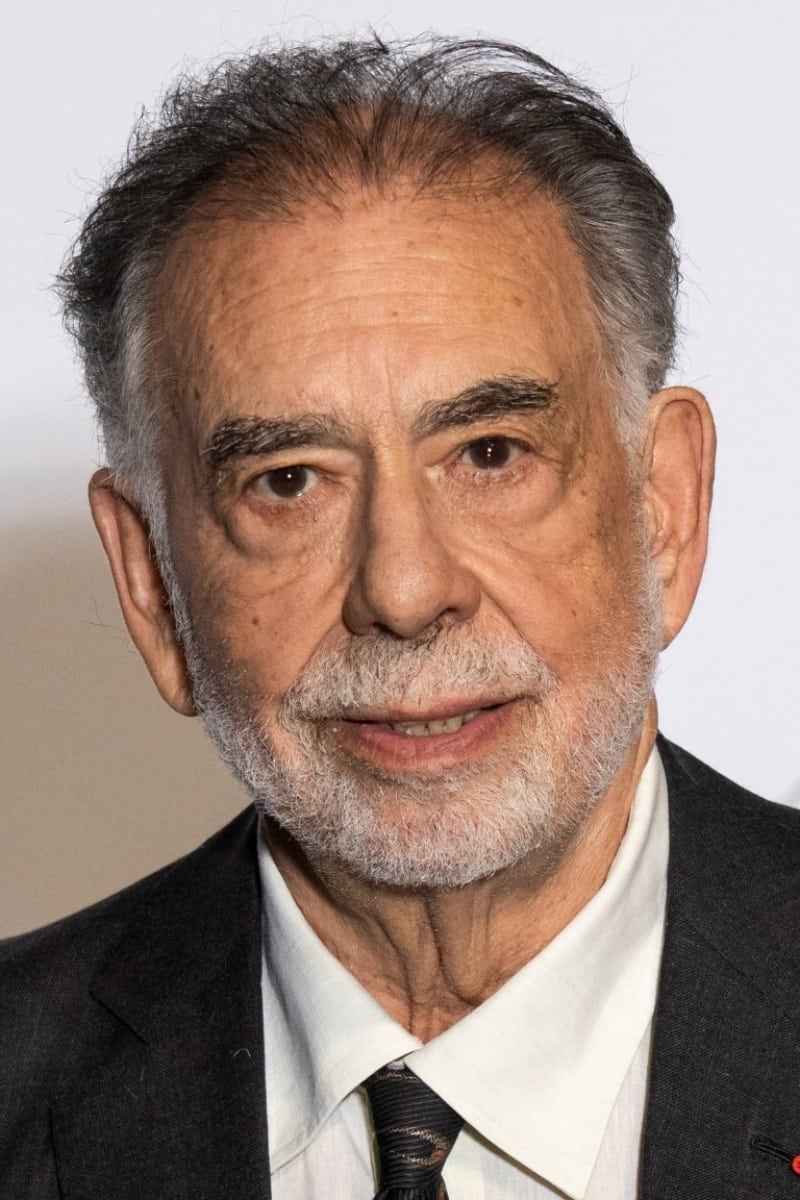
Francis Ford Coppola’s *The Godfather Part II* is not merely a sequel; it is a profound, almost operatic, dissection of the American Dream’s dark underbelly, a masterclass in cinematic ambition. What we witness here is not just a crime drama, but a meticulously crafted historical epic that dares to juxtapose the foundational myth of immigrant success with its inevitable, corrupting decay.
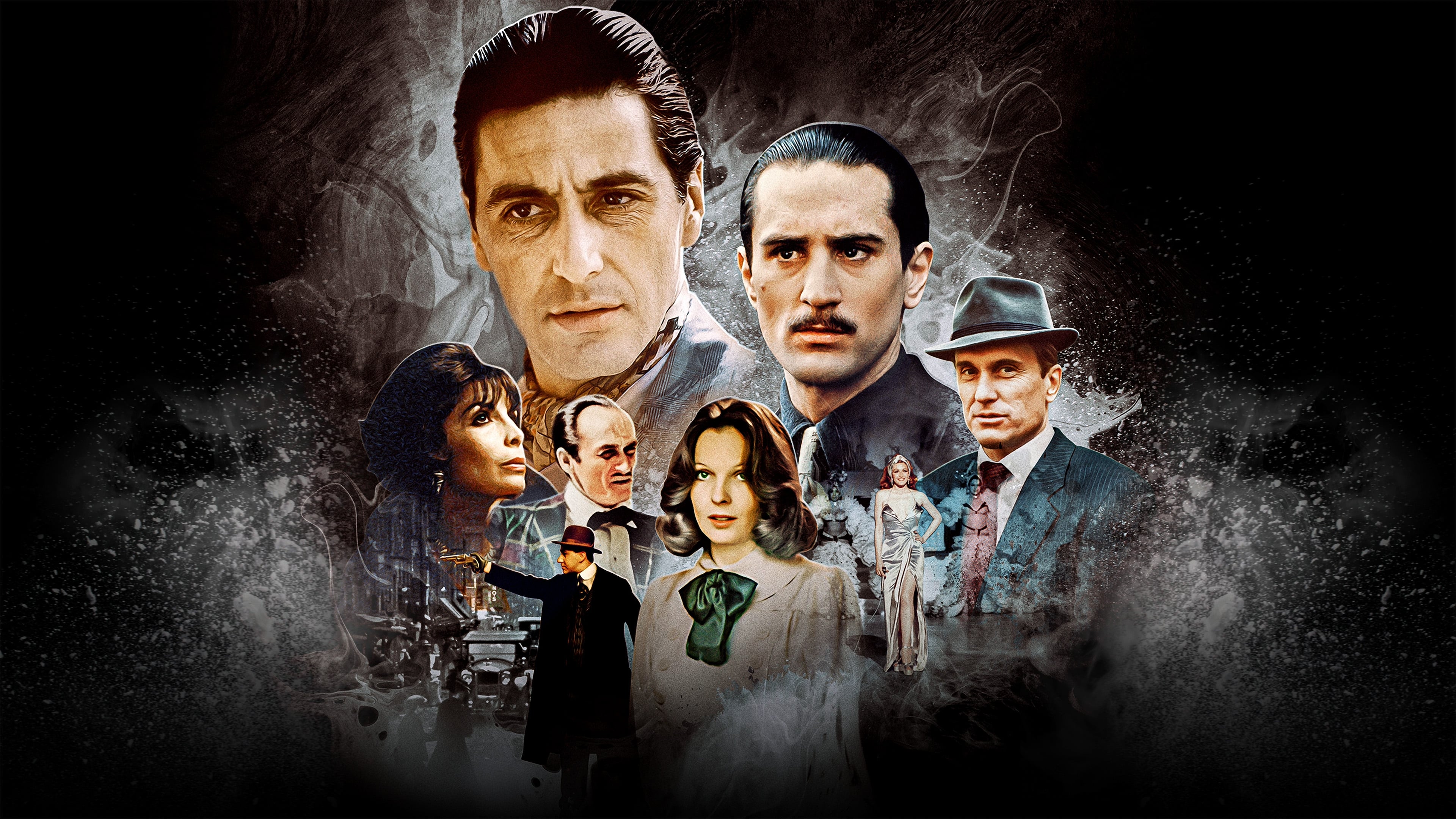
Coppola's direction is a symphony of contrasts, weaving two distinct timelines – young Vito's rise from Sicilian poverty to New York power, and Michael's relentless, isolating expansion of the Corleone empire in the 1950s. This dual narrative, while occasionally demanding patience from the audience, is precisely its genius. It allows us to witness the birth of a dynasty built on a twisted sense of family honor, and simultaneously observe its tragic, self-destructive maturation. The film’s greatest strength lies in this audacious structural choice, a move that could have easily fractured a lesser film but here serves to amplify themes of legacy, power, and the devastating cost of both.
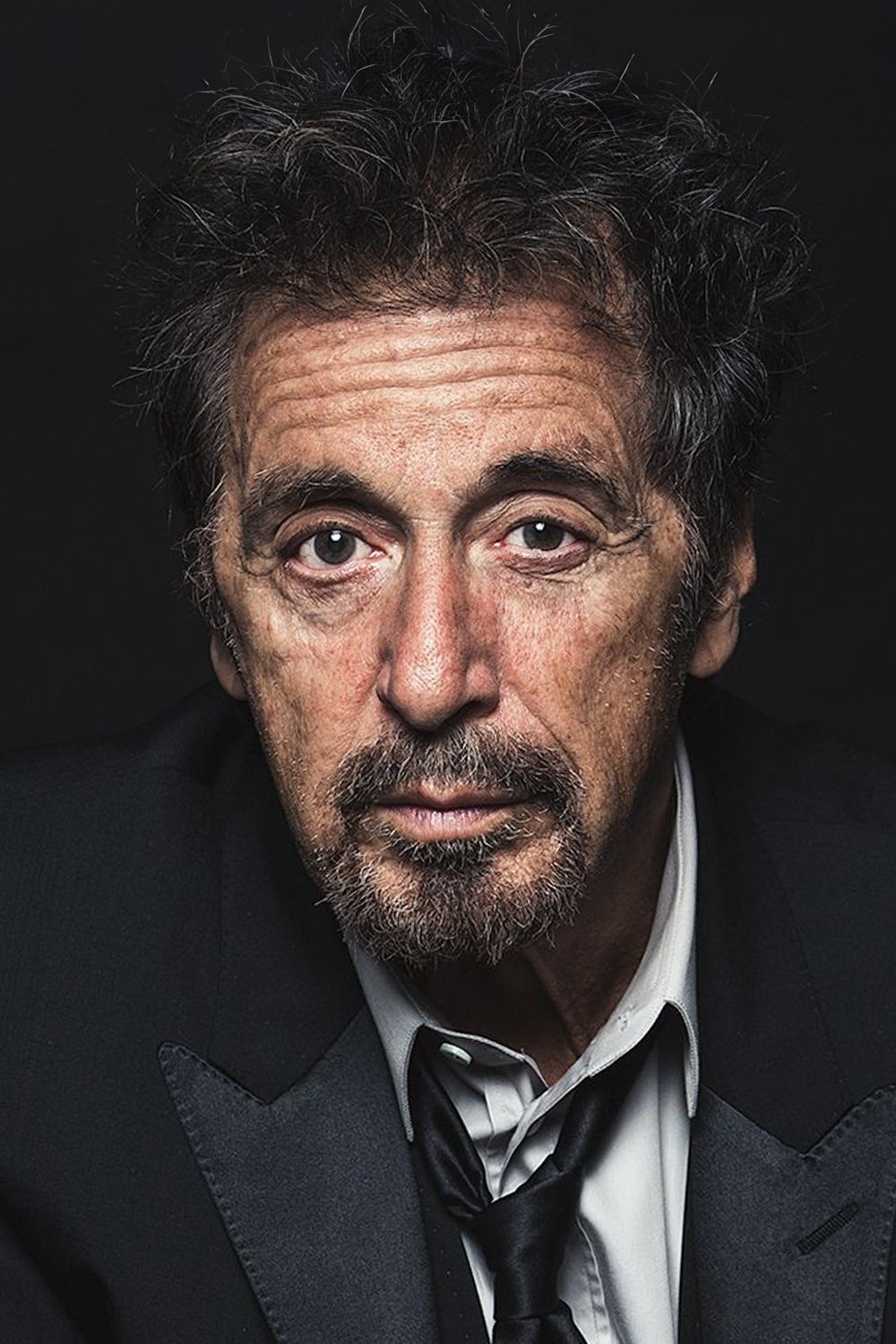
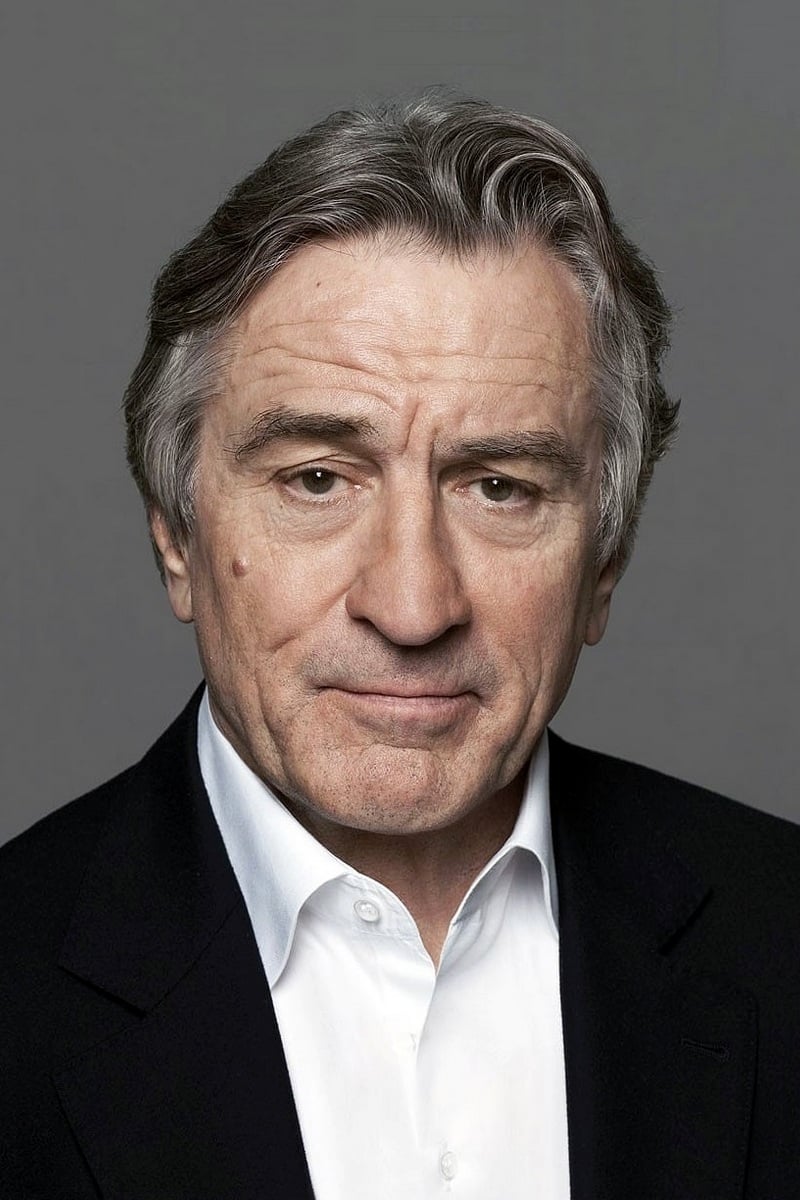
Al Pacino’s Michael Corleone is a chilling study in quiet desperation. His performance is stripped of the first film’s lingering humanity, replaced by a cold, calculating resolve that solidifies his transformation into a man utterly alone at the pinnacle of power. Observe how his eyes, once conveying conflicted loyalty, now betray only a weary, impenetrable cunning. De Niro’s portrayal of young Vito, while perhaps romanticized by the narrative, is charismatic and fiercely intelligent, establishing a benchmark against which Michael's eventual tyranny is starkly measured. Yet, this very romanticism of Vito’s early days sometimes skirts the edge of justifying his criminal genesis, a narrative decision that, while integral to the Corleone mythos, can feel ethically slippery.
The cinematography is a muted, rich tapestry; the sun-drenched hued flashbacks of Sicily and early New York stand in stark contrast to the colder, more sterile blues and grays of Michael’s contemporary world, visually emphasizing the loss of warmth and familial connection over time. While the film’s 202-minute runtime is a testament to its sprawling ambition, there are moments, particularly in the mid-section of Michael’s narrative, where the pace slackens, demanding an unwavering commitment from the viewer. However, these lulls are minor grievances in a film that consistently delivers profound emotional and thematic weight.
Ultimately, *The Godfather Part II* transcends its genre, offering a bleak, insightful commentary on the corrosive nature of power and the elusive, often destructive, pursuit of an idealized vision of success. It is a film that demands to be studied, not merely watched, for its intricate narrative, masterful performances, and unflinching artistic vision.