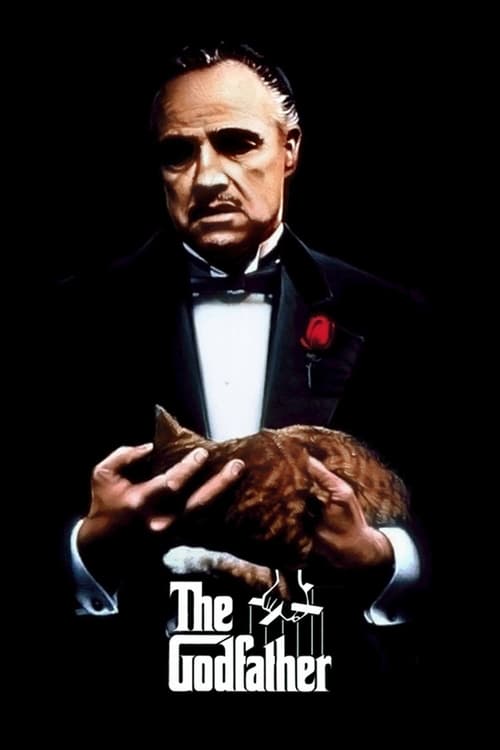
The Godfather
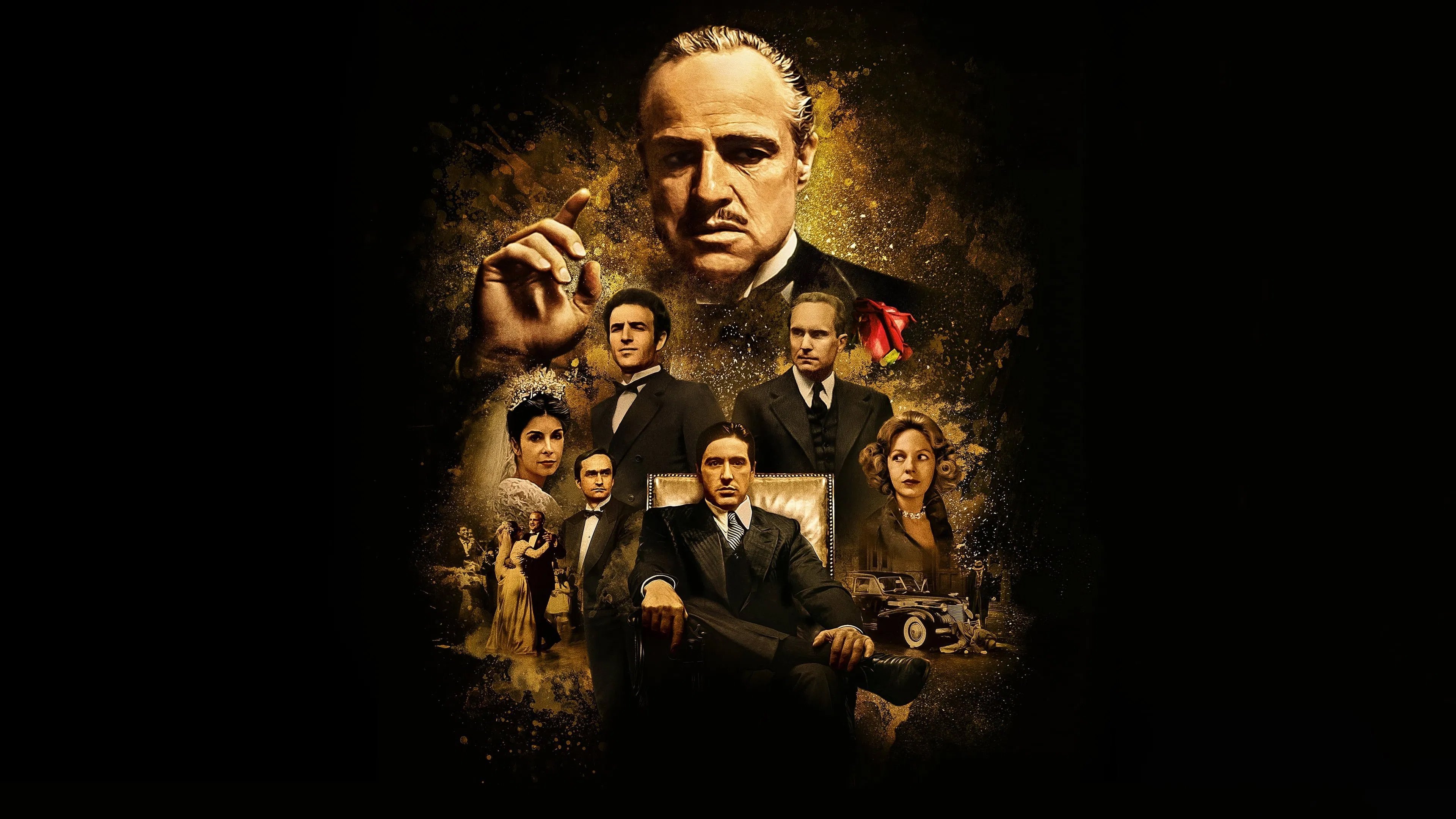
Spanning the years 1945 to 1955, a chronicle of the fictional Italian-American Corleone crime family. When organized crime family patriarch, Vito Corleone barely survives an attempt on his life, his youngest son, Michael steps in to take care of the would-be killers, launching a campaign of bloody revenge.




Where to watch


THEDORAMA.COM Review
To call Francis Ford Coppola’s *The Godfather* merely a crime drama is to misunderstand the very architecture of cinematic storytelling. This isn’t a pulp narrative of gangsters; it is a Shakespearean epic, a meticulous study of power, family, and the insidious nature of corruption. Coppola, with an almost surgical precision, crafts a world where loyalty is both a weapon and a vulnerability, and where the American Dream curdles into a nightmare of ruthless pragmatism.
The opening sequence, with Bonasera’s plea for justice delivered into the shadowed ear of Vito Corleone, immediately establishes the film's visual language: chiaroscuro lighting that speaks volumes about moral ambiguity, and a deliberate pace that allows every gesture, every whispered word, to resonate. Marlon Brando's Vito is a masterclass in controlled menace, his gravelly voice and deliberate movements painting a portrait of a man whose authority is absolute yet cloaked in paternal warmth. It is this duality, the velvet glove over the iron fist, that makes his performance so enduringly unsettling.
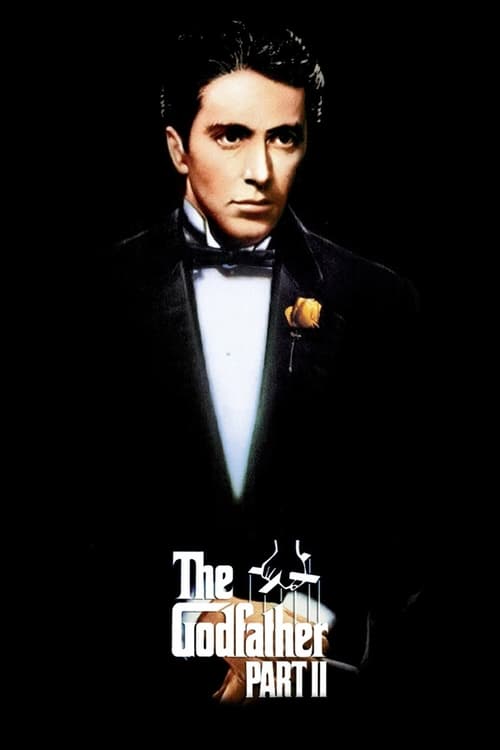
However, the film’s true triumph lies in Al Pacino’s metamorphosis as Michael. His journey from the clean-cut war hero, disdainful of his family’s business, to the cold, calculating Don is less a transformation and more an unveiling. Coppola doesn't rush this; he allows Michael’s soul to be chipped away, scene by agonizing scene, culminating in that chilling final shot where the door closes on Kay, sealing her out of his new, terrifying reality. This isn’t about good becoming evil; it’s about the inescapable gravity of legacy.
While the film's narrative scope is vast, charting a decade of the Corleone family’s fortunes, some might argue that the female characters, particularly Diane Keaton's Kay and Talia Shire's Connie, occasionally feel underdeveloped, serving primarily as reactive figures to the men's machinations. They are glimpses of an outside world, often bewildered or victimized, rather than fully fleshed agents of their own destiny. This is a minor quibble, perhaps, given the film's primary focus, but it’s a detail that, in a narrative so rich in psychological complexity, stands out. Yet, even in their limited roles, they highlight the patriarchal cage the Corleone women inhabit.
Ultimately, *The Godfather* transcends its genre, offering a profound commentary on the cost of power, the illusion of choice, and the inescapable bonds of blood. It’s a film that demands repeated viewings, each time revealing new layers of its intricate, tragic beauty. It is, unequivocally, a masterpiece of cinematic art.