The Dark Knight
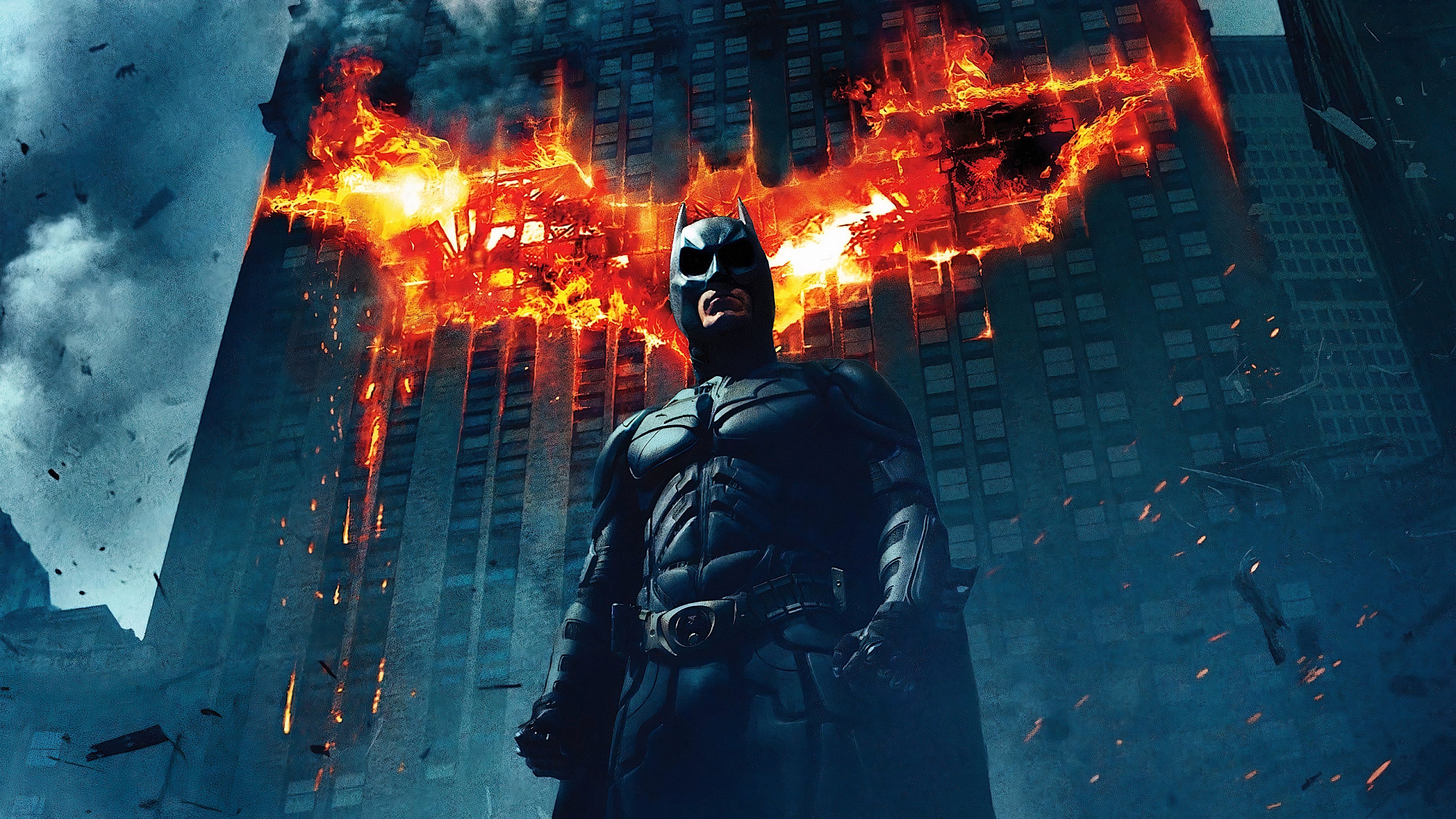
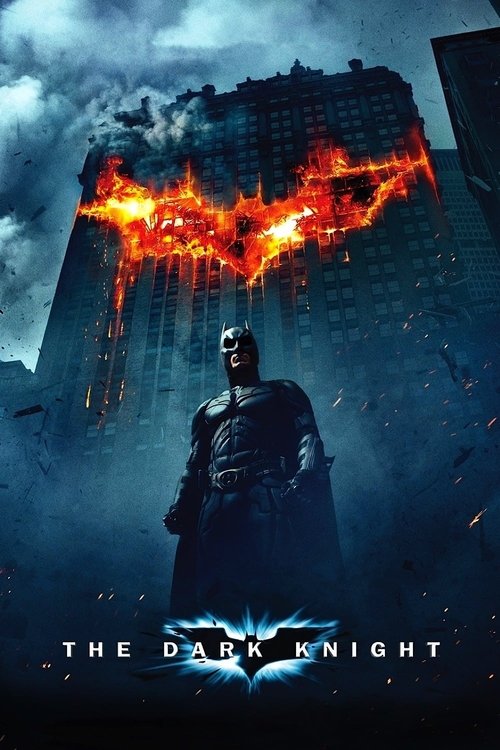
Batman raises the stakes in his war on crime. With the help of Lt. Jim Gordon and District Attorney Harvey Dent, Batman sets out to dismantle the remaining criminal organizations that plague the streets. The partnership proves to be effective, but they soon find themselves prey to a reign of chaos unleashed by a rising criminal mastermind known to the terrified citizens of Gotham as the Joker.



Where to watch


THEDORAMA.COM Review
Christopher Nolan’s “The Dark Knight” isn’t merely a superhero film; it’s a modern tragedy cloaked in the grim iconography of Gotham. This is cinema that demands more than passive viewing, asking us to confront the uncomfortable truths about heroism, chaos, and the fine line between order and anarchy.
Nolan’s direction here is a masterclass in controlled escalation. He crafts a relentless narrative pulse, evident from the opening bank heist, which isn't just an action sequence but a brutal introduction to the Joker's nihilistic philosophy. The film's sprawling canvas manages to feel intimate, thanks to Wally Pfister's cinematography, which uses the urban sprawl not just as a backdrop, but as a character itself – a concrete labyrinth reflecting Gotham's moral decay. The IMAX sequences, in particular, lend an oppressive grandeur to the city's struggles, making every high-rise and alleyway feel significant.
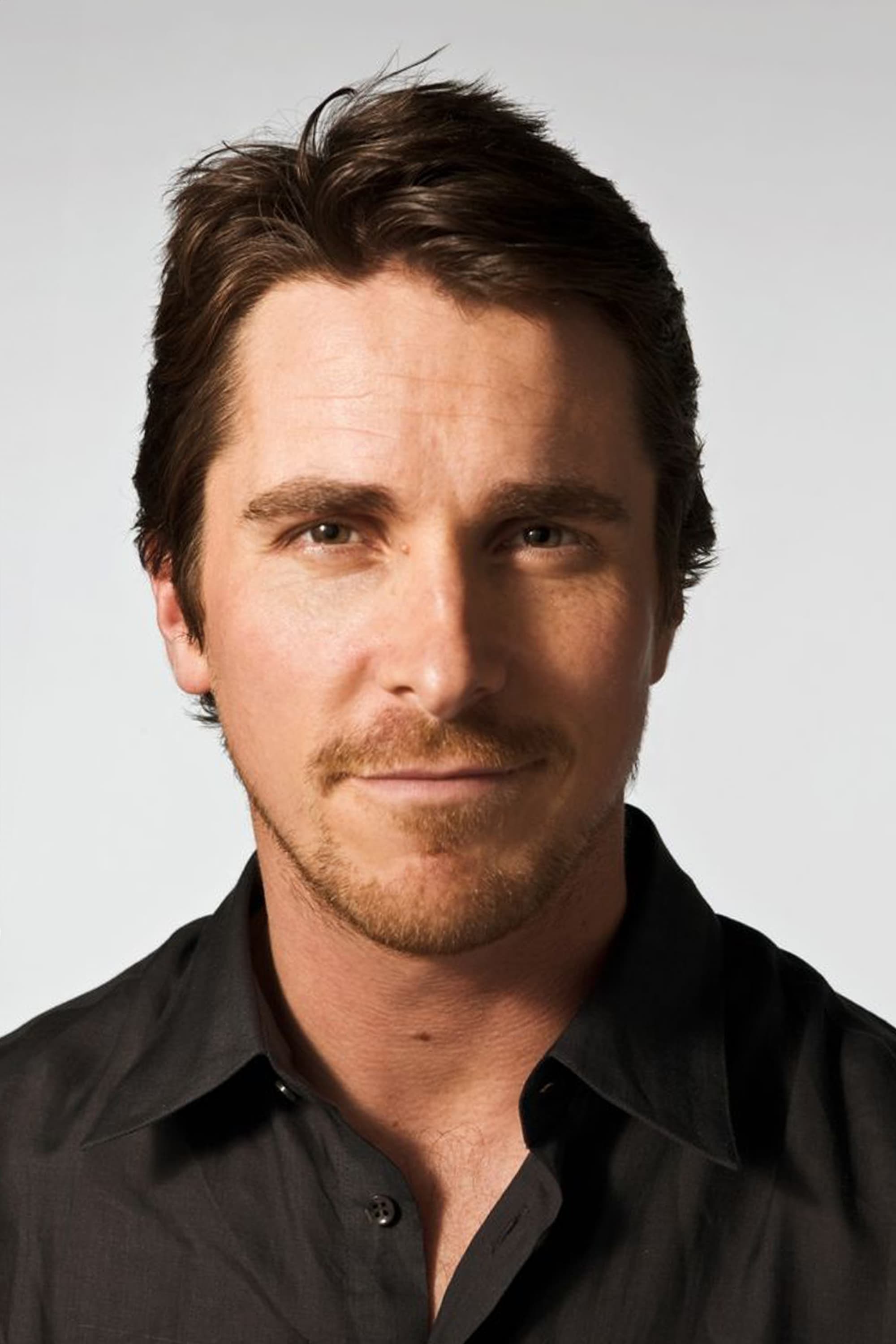
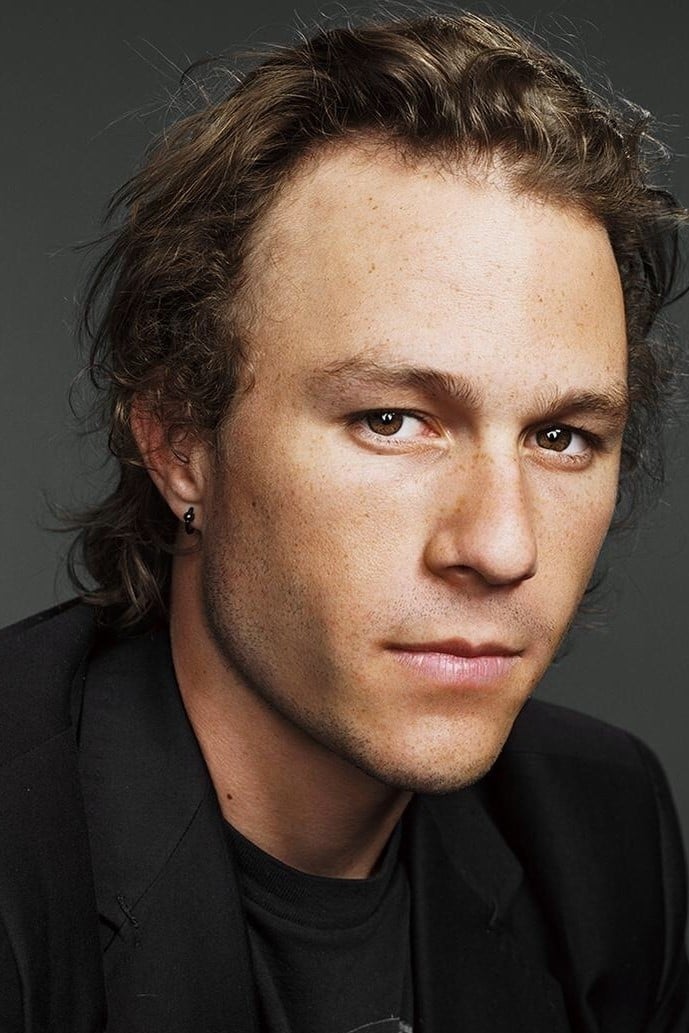
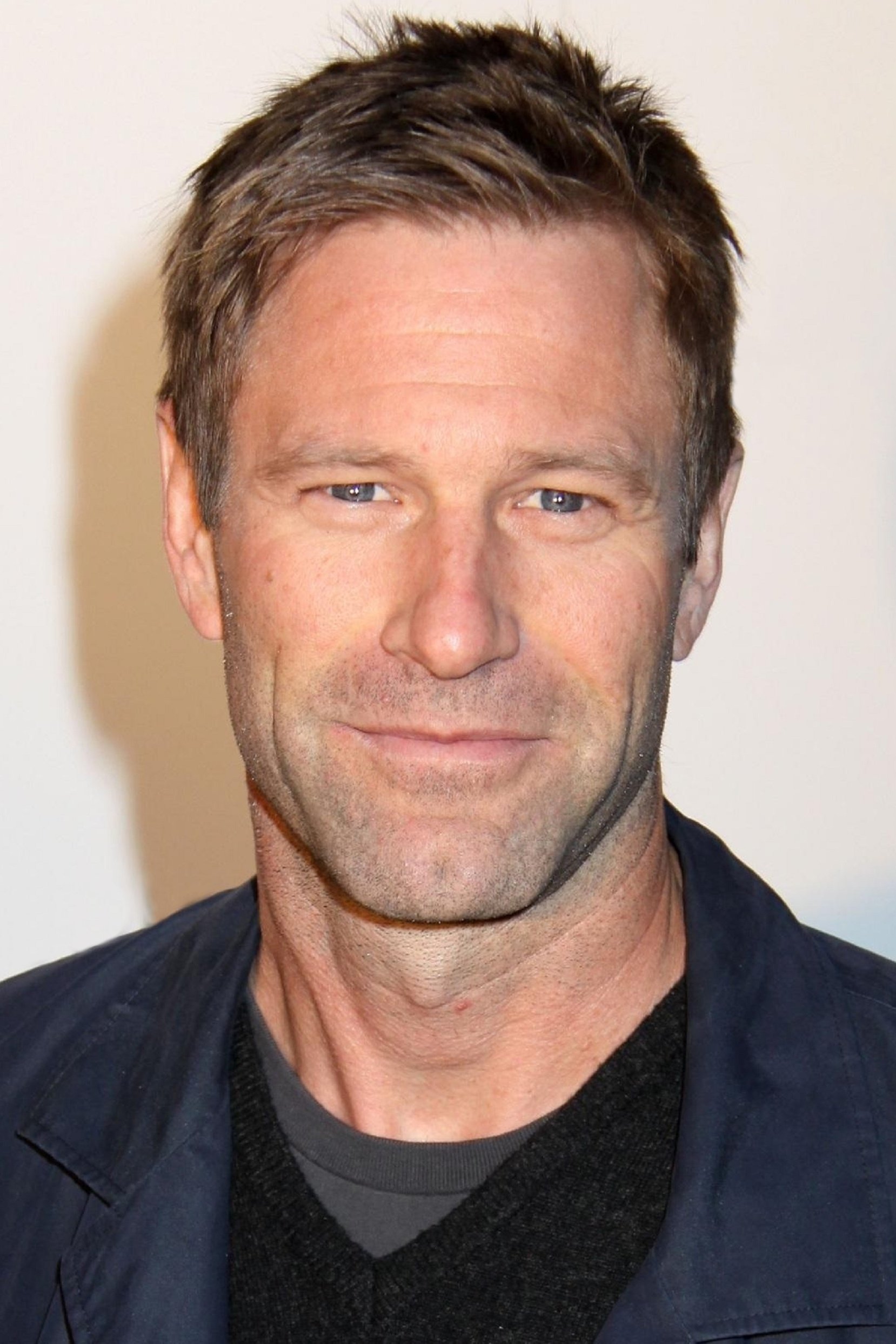
The screenplay, co-written by Nolan and his brother Jonathan, is where the film truly elevates itself. It’s less about a hero fighting villains and more about an ideology clashing with an irresistible force. Heath Ledger's Joker is the undeniable gravitational center, a performance so utterly transformative it transcends mere acting; it's an embodiment of pure, unadulterated chaos. He doesn't just play a character; he *becomes* the philosophical antagonist to Batman’s structured vigilantism. Christian Bale’s Batman, while sometimes overshadowed, grounds the film in a tortured humanity, his growling voice a constant symbol of his internal struggle. Aaron Eckhart's Harvey Dent is equally crucial, a brilliant portrayal of a man corrupted by the very evil he seeks to eradicate, serving as the narrative's tragic heart.
However, the film isn't without its stumbles. While the pacing is generally propulsive, there are moments, particularly in the mid-section, where the sheer volume of plot threads threatens to unravel the tight focus on its core ideological battle. Maggie Gyllenhaal, while a capable actress, is given a somewhat underwritten Rachel Dawes, making her impact on the male protagonists feel less organic than the script intends. Her character often feels more like a plot device than a fully realized individual, a weakness in an otherwise meticulously crafted narrative.
Ultimately, "The Dark Knight" is a profound exploration of modern anxieties, draped in the guise of a comic book adaptation. It challenges our perceptions of justice and heroism, daring us to consider if salvation can truly exist in a world capable of such darkness. It’s a powerful, unsettling piece of cinematic art that continues to resonate, long after the credits roll.