










Where to watch


THEDORAMA.COM Review
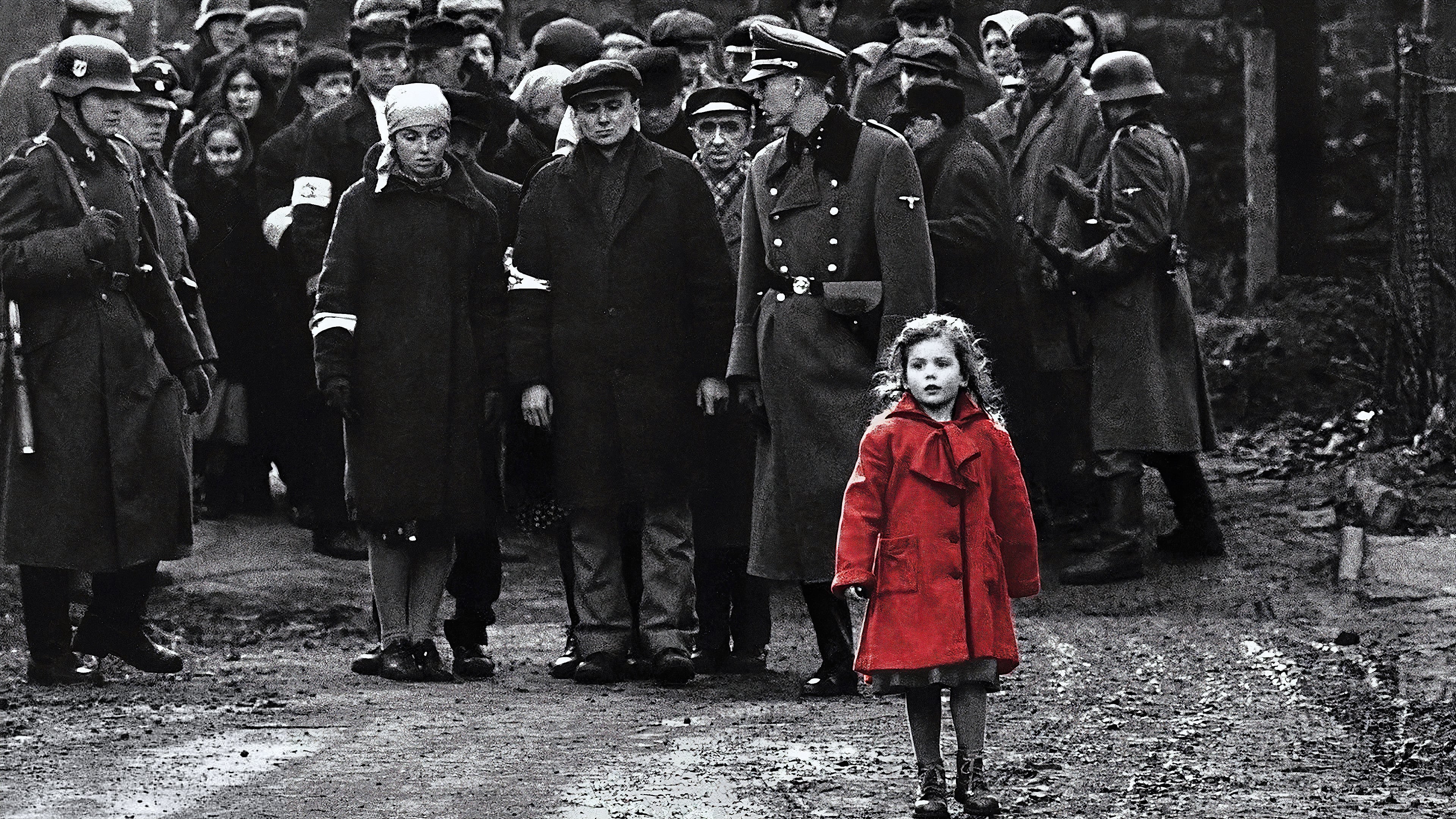
Steven Spielberg’s *Schindler’s List* is not merely a film; it is a meticulously crafted, often harrowing, and undeniably significant cinematic experience that demands to be seen, if not always enjoyed. Its black and white palette, far from being a stylistic flourish, is an immediate declaration of intent, stripping away the comfort of color to confront the stark duality of life and death, good and evil, that defined the Holocaust. This is not just a historical recounting; it is a deliberate artistic choice that forces the viewer to engage with the narrative on a deeper, more visceral level.
The film’s genius lies in its refusal to sanitize the horrors. Ralph Fiennes’ portrayal of Amon Goeth is chillingly effective, not as a caricatured villain, but as a man whose banality of evil is terrifyingly real. His casual sadism, the way he aims his rifle from his balcony as if target shooting, is a masterclass in depicting depravity without resorting to melodrama. Similarly, Liam Neeson’s Oskar Schindler undergoes a profound, believable transformation. Spielberg cleverly uses his initial portrayal as a self-serving opportunist to amplify the eventual moral awakening, making his heroism feel earned rather than inherent. The direction here is key; Spielberg allows these characters to breathe, to exist in their moral ambiguities before their paths diverge so dramatically.
However, the film is not without its narrative complexities. While the focus on Schindler is essential, there are moments where the sheer scale of the atrocity, the collective suffering, feels somewhat contained within his personal journey. The iconic "girl in the red coat," a splash of color in a monochromatic world, is a powerful symbol, yet it risks individualizing a tragedy that was, at its core, a systemic annihilation. This singular splash of color, while memorable, can inadvertently shift the focus from the millions to a single, albeit poignant, instance. The sheer duration, nearly three and a half hours, while necessary for the epic scope, occasionally allows for moments where the emotional intensity, though ever-present, threatens to overwhelm rather than deepen.
Ultimately, *Schindler’s List* stands as a monumental achievement in cinematic storytelling. It is a stark reminder of humanity’s capacity for both immense cruelty and extraordinary compassion, rendered with an unflinching gaze that respects the gravity of its subject matter. It is a film that doesn't just tell a story; it imprints it upon the soul.