










Where to watch


THEDORAMA.COM Review
Bong Joon Ho’s “Parasite” is not merely a film; it is a meticulously constructed social autopsy, a cinematic scalpel dissecting the festering wounds of class disparity. From its opening frames, where the impoverished Kim family literally scrounges for Wi-Fi, Bong establishes a visual language of scarcity and aspiration that permeates every shot. The screenplay, a brilliant tightrope walk between dark comedy, nail-biting thriller, and profound drama, never falters in its escalation, each twist feeling earned, inevitable even, within its own twisted logic.
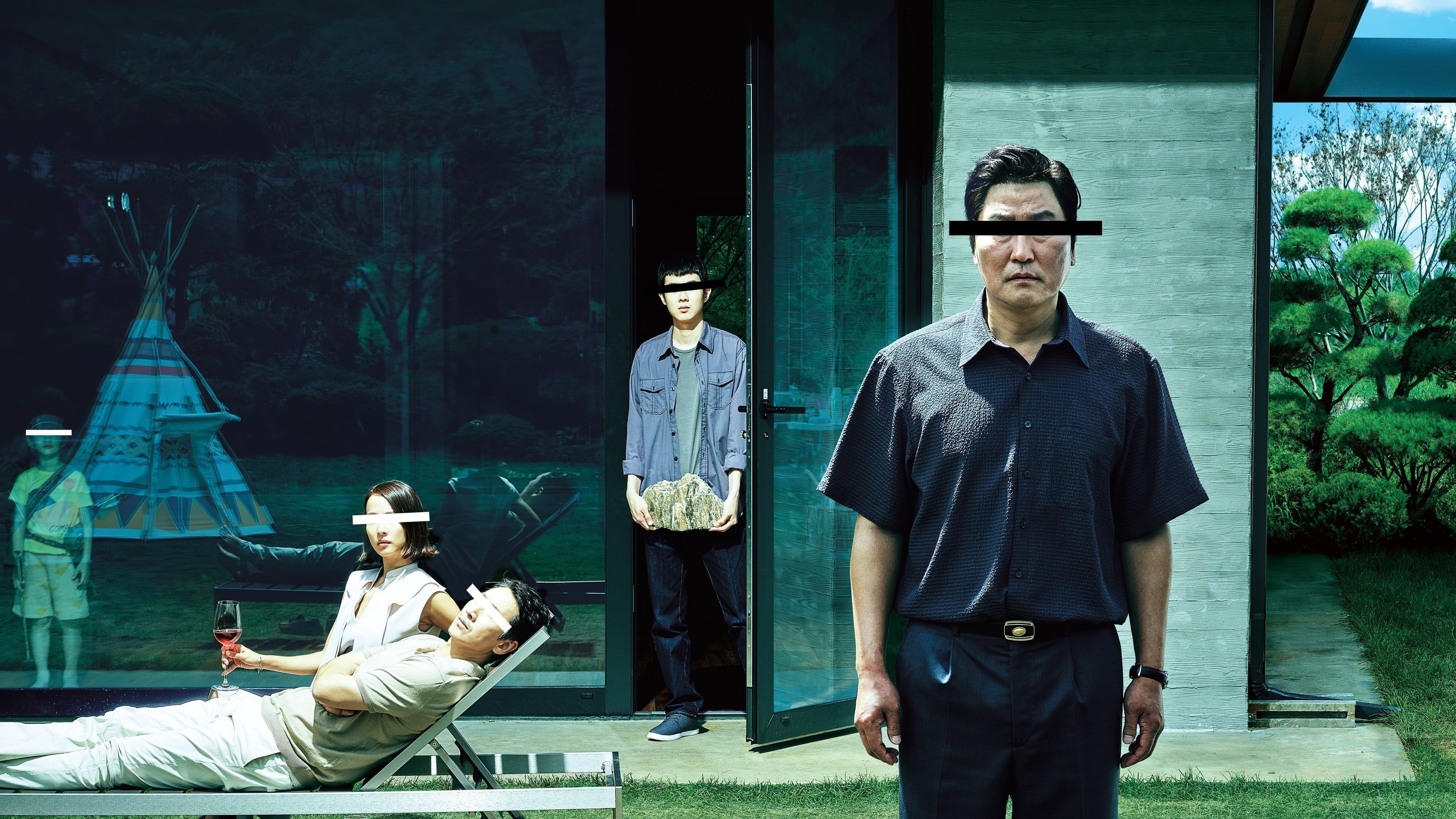
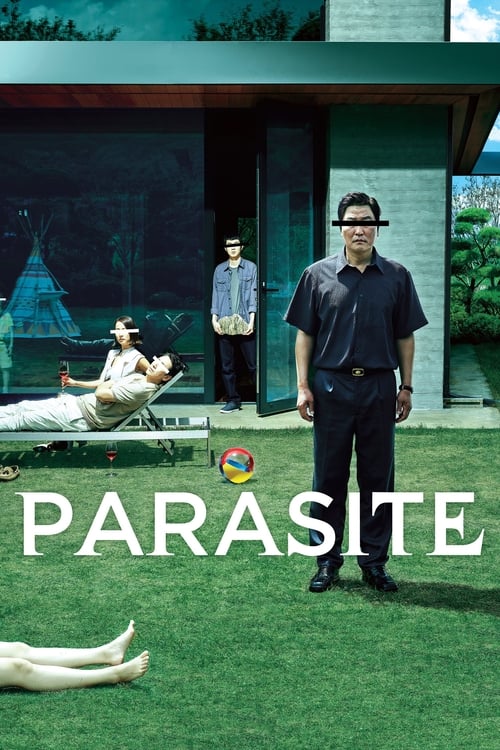
The direction is masterful in its spatial storytelling. The stark architectural contrast between the Kims' subterranean dwelling and the Parks' minimalist mansion isn't just set dressing; it's a character in itself, a constant, silent commentary on social stratification. Cinematography cleverly uses verticality to emphasize power dynamics, literally elevating the wealthy while submerging the struggling. The performances are a symphony of nuanced deception and desperation. Song Kang-ho, as the patriarch Ki-taek, embodies a weary resignation that slowly curdles into something far more dangerous, a testament to how systemic oppression can warp human dignity. Park So-dam’s Ki-jung, with her audacious confidence, is a particularly striking portrayal of someone leveraging wit to navigate a world designed to exclude her.
While the film’s critique of capitalism is undeniably sharp, some might argue that its portrayal of the wealthy Parks occasionally veers into caricature, simplifying their obliviousness to the point of near-villainy. This slight lack of complexity in the upper-class characters prevents the film from achieving a truly universal empathy, though it certainly drives home its central thesis with unrelenting force. Nevertheless, “Parasite” is a vital, unforgettable piece of cinema, a chillingly relevant exploration of ambition, resentment, and the invisible lines that divide us. It demands viewing, not just for its entertainment value, but for its unflinching gaze into the uncomfortable truths of our stratified world.