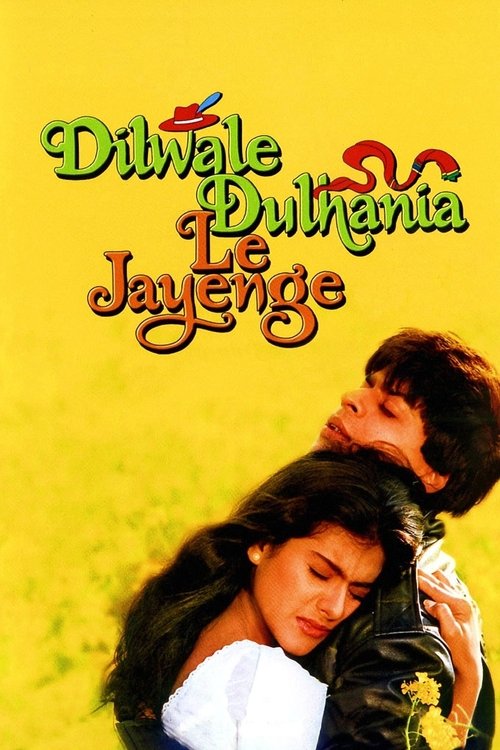
Dilwale Dulhania Le Jayenge
Raj is a rich, carefree, happy-go-lucky second generation NRI. Simran is the daughter of Chaudhary Baldev Singh, who in spite of being an NRI is very strict about adherence to Indian values. Simran has left for India to be married to her childhood fiancé. Raj leaves for India with a mission at his hands, to claim his lady love under the noses of her whole family. Thus begins a saga.








Where to watch


THEDORAMA.COM Review
Aditya Chopra’s *Dilwale Dulhania Le Jayenge*, a 1995 romantic drama, is often lauded as a landmark, yet its enduring appeal lies less in groundbreaking cinematic artistry and more in its masterful calibration of cultural anxieties. At 190 minutes, it’s an epic of emotional negotiation, an almost anthropological study of the NRI experience filtered through a glossy, romantic lens.
Chopra's direction, while not overtly innovative, is acutely aware of its audience. He crafts a narrative that, on its surface, is a simple boy-meets-girl tale, but beneath, it’s a tightrope walk between tradition and modernity. Raj, the carefree second-generation NRI played with an almost impossibly charming swagger by Shah Rukh Khan, embodies the allure of Western individualism. His performance is a carefully constructed rebellion, a wink and a smile that disarms both Simran’s family and, crucially, the conservative elements of the audience. Kajol’s Simran, in contrast, is the heart of the film’s conflict, her internal struggle beautifully articulated through subtle shifts in expression, revealing a woman caught between filial duty and burgeoning desire.
The screenplay’s strength lies in its meticulous pacing. The European escapade, while visually lush, serves not just as a backdrop for romance but as a liminal space where cultural boundaries blur, preparing Simran for the inevitable clash with her father, Chaudhary Baldev Singh (Amrish Puri, whose stoic presence anchors the film). However, this meticulousness occasionally veers into narrative convenience. The ease with which Raj infiltrates Simran’s family in India, while essential for the plot, demands a suspension of disbelief that stretches even the most forgiving viewer. The film’s conservative resolution, where love is ultimately sanctioned by patriarchal approval rather than outright defiance, can feel like a retreat, a compromise that, while culturally resonant, perhaps undercuts some of the earlier, more daring expressions of romance.
Cinematography, while competent, rarely elevates beyond serviceable. It aims for a sweeping grandeur that occasionally feels more like a travelogue than an integral part of the emotional landscape. Yet, it's the film’s cultural resonance, its ability to articulate the immigrant dilemma with such warmth and conviction, that endures. *DDLJ* isn’t a perfect film, but it’s a powerfully effective one, a cultural touchstone that speaks volumes about identity, family, and the ever-present tension between individual longing and communal expectation. It's a testament to the fact that sometimes, the most profound art is that which reflects its audience’s deepest desires and dilemmas, even if it doesn't always challenge them.