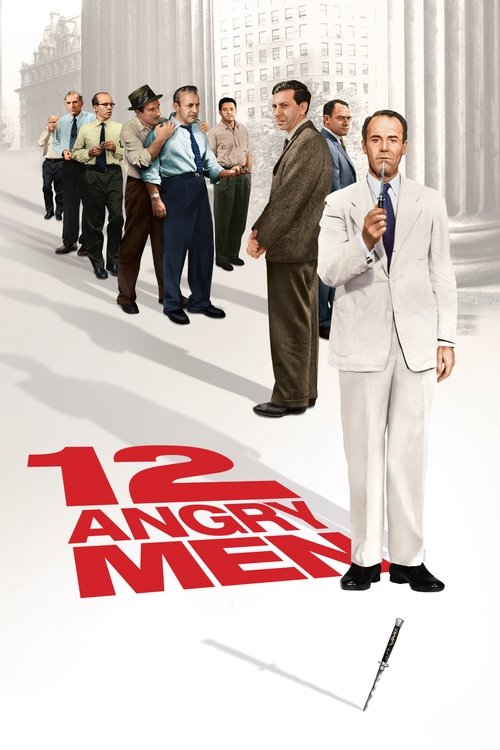
12 Angry Men
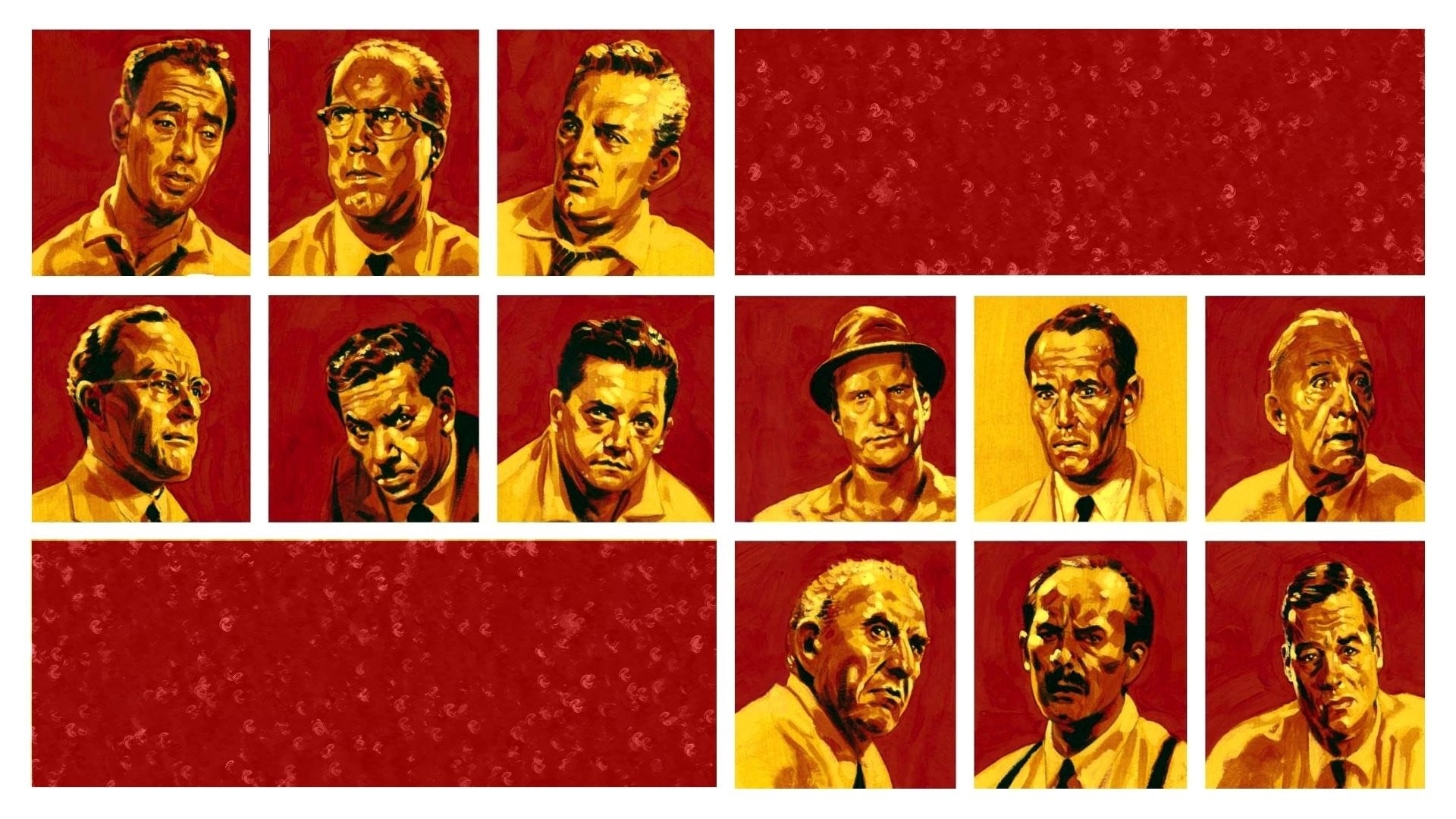
The defense and the prosecution have rested and the jury is filing into the jury room to decide if a young Spanish-American is guilty or innocent of murdering his father. What begins as an open and shut case soon becomes a mini-drama of each of the jurors’ prejudices and preconceptions about the trial, the accused, and each other.
Where to watch


THEDORAMA.COM Review
Sidney Lumet’s 1957 masterpiece, *12 Angry Men*, isn't merely a courtroom drama; it's a claustrophobic masterclass in human nature, a dissection of justice rendered with surgical precision. This film, confined almost entirely to a single, sweltering jury room, transcends its humble setting to explore the very architecture of prejudice and the fragile pursuit of truth.
The brilliance begins with Reginald Rose’s screenplay, a tightly wound spring of dialogue that never wastes a word. Each juror, initially a caricature, is meticulously peeled back, revealing layers of resentment, fear, and surprising empathy. The narrative structure, a slow burn from a near-unanimous guilty verdict to agonizing deliberation, is a testament to the power of sustained tension built through argument, not action. We are forced to confront our own biases alongside these men, as a young Spanish-American's fate hangs in the balance.
Lumet’s direction is nothing short of extraordinary. He transforms a single room into a dynamic battlefield. Initially, wide shots emphasize the collective, the monolithic jury. As dissent grows, the camera tightens, isolating faces, highlighting beads of sweat, the glint in an eye, the tremor of a hand. This escalating visual intimacy mirrors the emotional intensity, drawing us into the psychological warfare. The cinematography, though stark and black and white, is never simplistic; it uses shadows and light to underscore the shifting power dynamics and the moral ambiguity of the situation.
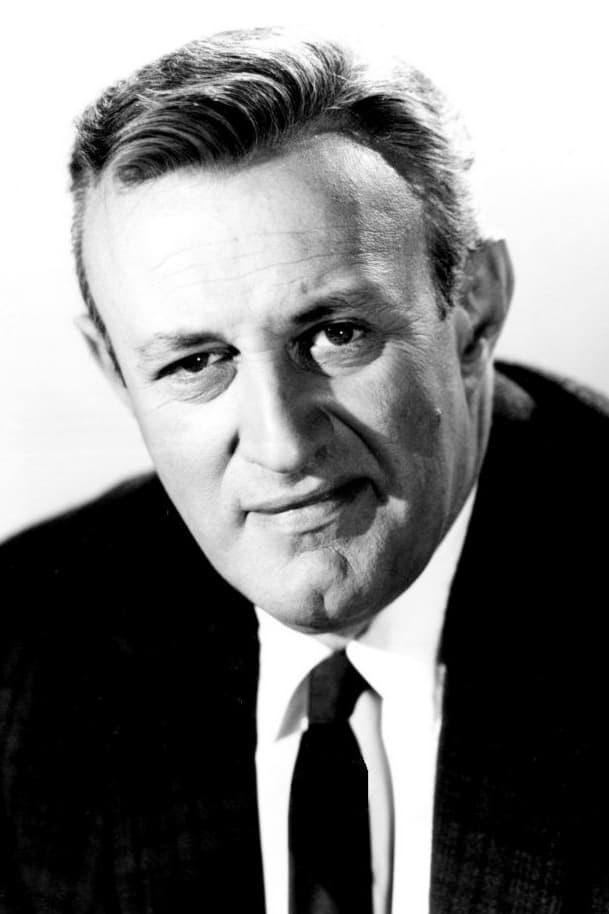
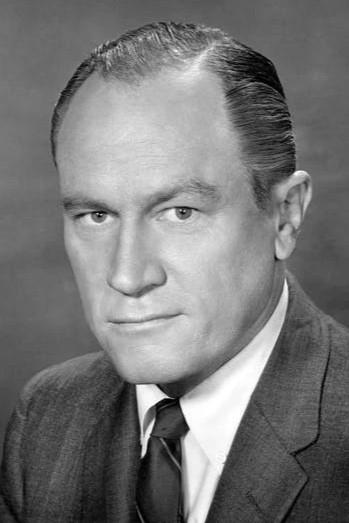
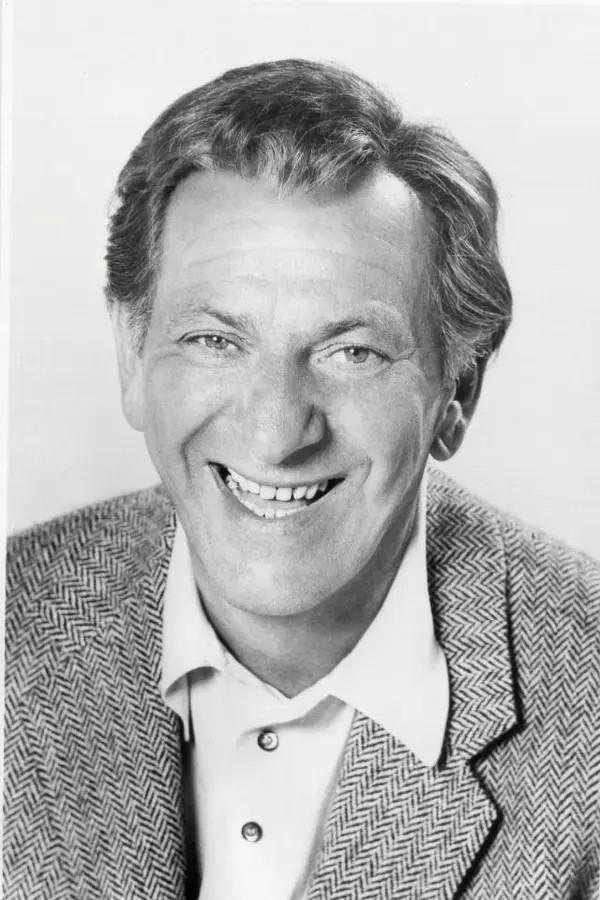
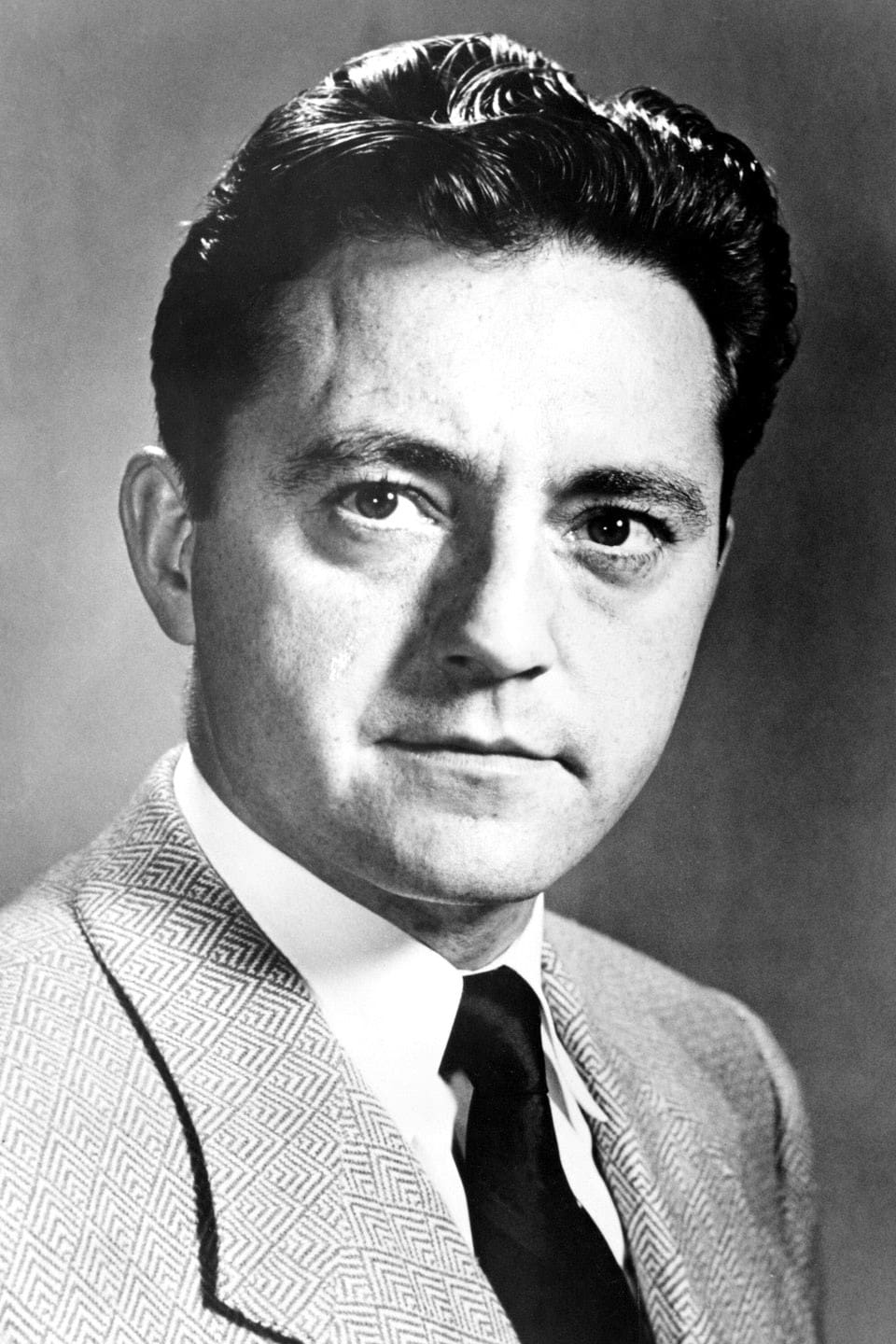
The performances are uniformly excellent, a symphony of understated rage and simmering frustration. Henry Fonda’s Juror 8 is the quiet, unwavering conscience, a beacon of doubt against a tide of certainty. But it’s the ensemble, particularly Lee J. Cobb’s explosive Juror 3, that elevates this film. Cobb embodies the visceral, irrational anger that often masquerades as conviction, his performance a raw nerve.
While the film's unwavering focus on the jury room is its greatest strength, it also presents a subtle limitation. The accused remains a phantom, a symbol rather than a character. This choice, while amplifying the jurors' internal struggle, does occasionally create a slight detachment from the actual crime, making the film more about the process than the individual. Yet, this is a minor quibble in a film that otherwise stands as a monumental achievement. *12 Angry Men* is a vital cinematic text, a relentless examination of how easily justice can be derailed by apathy and assumption. It’s a film that demands reflection, proving that true drama often lies not in explosions, but in the quiet, insistent turning of a human mind.