K-Culture in US Media: Exchange or Appropriation in 2026?
Advertisements
The integration of K-Culture into US media presents a nuanced discussion in 2026, constantly navigating the delicate balance between genuine cultural exchange and potentially problematic appropriation, impacting global entertainment landscapes.
In 2026, the discussion surrounding K-Culture US Media integration has reached a critical juncture, prompting a closer look at whether the burgeoning presence of Korean cultural elements in American entertainment signifies authentic exchange or problematic appropriation. This deep dive aims to unravel the intricate layers of this phenomenon, examining its evolution, impact, and the ongoing dialogue among creators and consumers alike.
The rise of Hallyu and its American embrace
The Korean Wave, or Hallyu, has undeniably reshaped the global entertainment landscape over the past two decades, with its influence steadily deepening within the United States. What began as a niche interest in K-Pop and K-Dramas has blossomed into a mainstream phenomenon, permeating various facets of American media, from music charts to streaming platforms and fashion runways.
This widespread embrace raises fundamental questions about how cultural elements are adopted, adapted, and sometimes transformed when crossing borders. The initial novelty has given way to a more integrated presence, making the distinction between respectful homage and superficial borrowing increasingly complex. Understanding this trajectory is crucial for appreciating the current discourse.
Early influences and growing visibility
The early 2000s saw the initial ripples of Hallyu reaching American shores, primarily through online communities and dedicated fan bases. Groups like Wonder Girls made early attempts to break into the US market, paving the way for future successes. However, it was the mid-2010s that truly marked an inflection point, with viral sensations and strategic collaborations amplifying K-Culture’s visibility.
- Gangnam Style’s global explosion in 2012 introduced K-Pop to a wider audience, albeit sometimes through a comedic lens.
- BTS’s unprecedented global success starting in 2017 shattered language barriers and demonstrated the immense power of dedicated fandom.
- Streaming platforms like Netflix heavily invested in K-Dramas, making shows like “Squid Game” and “Crash Landing on You” household names.
Beyond music and drama: fashion, food, and beauty
K-Culture’s penetration extends far beyond its most popular exports. Korean fashion, with its emphasis on street style and innovative designs, has influenced American trends. K-Beauty products are ubiquitous in major retailers, and Korean cuisine has seen a significant surge in popularity. This holistic cultural immersion underscores the depth of Hallyu’s impact.
The presence of Korean cultural elements in everyday American life suggests a profound shift in cultural consumption patterns. It indicates a readiness among American audiences to engage with and appreciate diverse cultural expressions, setting the stage for both exciting opportunities and potential pitfalls in the realm of cultural exchange.
In conclusion, the journey of Hallyu into the US media landscape has been transformative, moving from a peripheral interest to a significant cultural force. This evolution necessitates a careful examination of how this integration is managed, ensuring that the spirit of exchange is upheld and that the nuances of cultural origins are respected.
Defining cultural exchange versus appropriation
The terms “cultural exchange” and “cultural appropriation” are often used interchangeably, yet they represent vastly different dynamics in the context of globalized media. Distinguishing between the two is paramount for fostering respectful and equitable cross-cultural interactions, especially when discussing K-Culture US Media integration.
Cultural exchange involves a reciprocal process where different cultures share and learn from each other, typically characterized by mutual respect, understanding, and acknowledgment of origins. Appropriation, however, often involves the adoption or use of elements of a minority culture by members of the dominant culture without understanding, acknowledgment, or respect for the original context, often for commercial gain.
Key characteristics of cultural exchange
True cultural exchange is marked by several defining features that elevate it beyond mere borrowing. It requires a genuine interest in the culture being engaged with, an effort to understand its deeper meanings, and a willingness to offer one’s own culture in return. This reciprocity is what makes the interaction enriching for all parties involved.
- Mutual Respect and Understanding: Both cultures engage with an appreciation for each other’s traditions, history, and values.
- Acknowledgment of Origin: The source of cultural elements is clearly credited and celebrated.
- Reciprocity: A two-way flow of ideas, practices, and artistic expressions occurs between cultures.
- Empowerment: The originating culture is empowered and uplifted through the exchange, not diminished or exploited.
The problematic nature of appropriation
Cultural appropriation often carries negative connotations due to its inherent power imbalance. It frequently occurs when a dominant culture takes from a marginalized one, stripping elements of their original meaning and context, and often profiting from them without giving due credit or compensation. This can perpetuate stereotypes and diminish the value of the original culture.
For instance, when K-Pop fashion or music styles are replicated by American artists without a deeper understanding of their roots or without acknowledging the Korean creators who pioneered them, it can cross into appropriation. The issue intensifies when these appropriated elements are then marketed as novel or innovative by the dominant culture, overshadowing the original creators.
The debate around cultural appropriation is not about limiting artistic expression but about promoting ethical engagement. It encourages creators to reflect on their intentions, their research, and the impact of their work on the cultures they draw from. This self-awareness is vital for navigating the complex terrain of cross-cultural artistic endeavors.
Ultimately, discerning between exchange and appropriation requires a critical lens, focusing on power dynamics, intent, acknowledgment, and impact. As K-Culture continues its integration into US media, these distinctions become ever more crucial for fostering a truly inclusive and respectful global cultural landscape.
Case studies: K-Pop and K-Drama in US productions
The burgeoning presence of K-Pop and K-Dramas in US productions offers a wealth of case studies to examine the delicate balance between cultural exchange and appropriation. These instances provide concrete examples of both successful, respectful integration and moments that have sparked controversy, highlighting the ongoing learning curve in cross-cultural media collaborations within the context of K-Culture US Media.
Analyzing specific examples allows for a deeper understanding of the nuances involved. It reveals how creative decisions, marketing strategies, and public reception all play a role in shaping the narrative around cultural integration. From music collaborations to narrative adaptations, the spectrum of engagement is broad.
K-Pop’s journey into American music
K-Pop’s integration into the American music scene has seen various approaches. Collaborations between K-Pop artists and American musicians, such as BTS with Halsey or Blackpink with Selena Gomez, are often celebrated as instances of genuine cultural exchange. These partnerships typically involve mutual creative input and a shared platform, benefiting both parties.
- Collaborative successes: Artists from both cultures contribute creatively, leading to new sounds and broader appeal.
- Shared platforms: Joint performances and promotions expose both fan bases to different musical traditions.
- Mutual respect: Public statements and behind-the-scenes accounts often emphasize the learning and appreciation between artists.
However, the line blurs when American artists adopt K-Pop aesthetics or sounds without clear attribution or understanding. Instances where American acts have been accused of “borrowing” K-Pop concepts or visual styles without acknowledging their inspiration have led to discussions about appropriation. The key often lies in the depth of engagement and the recognition given to the originating culture.
K-Drama narratives and US adaptations
The captivating storytelling of K-Dramas has also caught the eye of US producers, leading to discussions about adaptations. While some adaptations aim to faithfully translate the original narrative and cultural context for a Western audience, others risk stripping away the Korean essence, leading to concerns about cultural erasure.
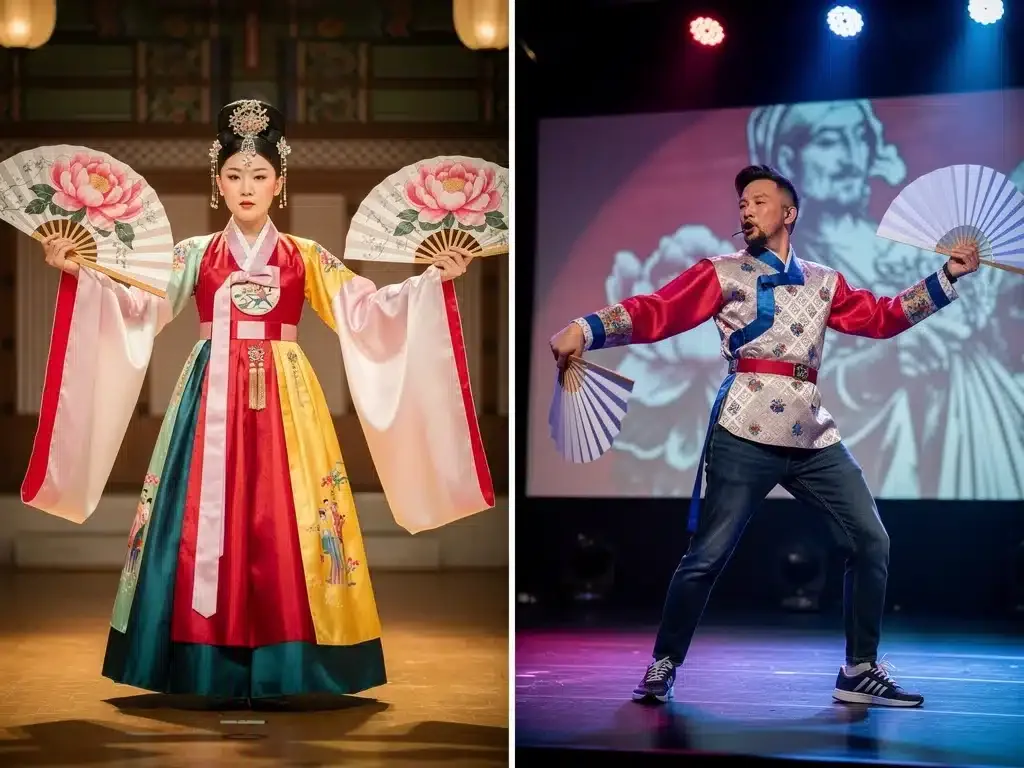
For example, the discussion around potential US remakes of popular K-Dramas often centers on how well they can retain the cultural specificities that made the originals so compelling. A mere translation of plot points without an understanding of underlying social commentaries or unique Korean emotional expressions can result in a diluted product that fails to resonate and may even be seen as disrespectful.
The success of K-Dramas on US streaming platforms, often viewed in their original language with subtitles, suggests that American audiences are increasingly open to consuming foreign content authentically. This trend challenges the notion that cultural elements must be heavily Americanized to be palatable, advocating for more faithful presentations of foreign narratives.
In sum, the integration of K-Pop and K-Drama into US productions presents a mixed bag of exemplary cultural exchange and cautionary tales. The ongoing dialogue around these case studies is crucial for guiding future collaborations towards more respectful and enriching outcomes.
The role of social media and fan communities
In the intricate dance of K-Culture US Media integration, social media and fan communities emerge as powerful, often defining, forces. These platforms serve as both catalysts for cultural exchange and vigilant watchdogs against appropriation, shaping public discourse and influencing industry practices in profound ways.
The decentralized nature of social media empowers fans to voice their opinions, organize, and exert collective pressure, making them indispensable actors in the ongoing conversation. Their rapid response capabilities mean that cultural missteps can quickly become global controversies, forcing creators and media outlets to be more mindful of their approaches.
Amplifying K-Culture’s reach
Social media has been instrumental in Hallyu’s global expansion, allowing K-Pop groups and K-Drama actors to connect directly with an international audience. Platforms like Twitter, TikTok, and Instagram facilitate the rapid dissemination of content, news, and fan-generated material, bypassing traditional media gatekeepers.
- Direct artist-fan interaction: K-Pop idols often engage with fans globally, fostering a sense of community and loyalty.
- Content virality: Fan-made content, challenges, and trends on platforms like TikTok significantly contribute to K-Culture’s viral spread.
- Global fandom organization: Fanbases coordinate mass streaming, voting, and promotional efforts, driving K-Culture’s commercial success.
The vigilant eye of fan communities against appropriation
While social media amplifies reach, it also serves as a critical forum for accountability. K-Culture fan communities, particularly those in the US, are highly educated on issues of cultural sensitivity and are quick to call out instances they perceive as appropriation or misrepresentation. This vigilance often stems from a deep understanding and appreciation of the culture they admire.
For example, if an American celebrity or brand uses Korean traditional attire or symbols without understanding their significance, or in a way that trivializes them, fan communities often mobilize to educate and demand apologies or rectifications. This collective action can significantly impact public perception and even lead to changes in marketing campaigns or artistic decisions.
The power of these communities lies in their ability to generate widespread attention and conversation almost instantaneously. Their activism ensures that discussions around cultural sensitivity are not confined to academic circles but are brought to the forefront of mainstream media and public awareness, holding creators to higher standards.
In conclusion, social media and fan communities are double-edged swords in the context of K-Culture’s integration. They are vital for its global proliferation, yet equally crucial for ensuring that this expansion happens respectfully and ethically, serving as an essential check against cultural appropriation.
Economic implications and market dynamics
The integration of K-Culture US Media is not merely a cultural phenomenon; it carries significant economic implications, reshaping market dynamics and influencing investment strategies across the entertainment industry. The financial success of K-Pop groups, K-Dramas, and related industries highlights a powerful economic force that commands attention.
This economic impact extends beyond direct revenue from music and television. It encompasses tourism, merchandise, fashion, beauty products, and even language learning, creating a multifaceted economic ecosystem. Understanding these dynamics is crucial for appreciating the full scope of K-Culture’s global footprint.
Billions in revenue and investment opportunities
The Hallyu wave has generated billions of dollars globally, with a substantial portion flowing into the US market. K-Pop concerts sell out stadiums, K-Dramas attract millions of subscribers to streaming platforms, and Korean beauty and fashion brands see soaring sales. This economic success has attracted significant investment.
- Direct revenue streams: Music sales, concert tickets, streaming subscriptions, and merchandise contribute substantially.
- Indirect economic benefits: Increased tourism to South Korea, growth in Korean language education, and culinary industry boosts.
- Investment and partnerships: US entertainment companies are increasingly investing in Korean talent and production houses, fostering strategic alliances.
These investments often aim to capitalize on K-Culture’s proven appeal, either by bringing Korean content directly to US audiences or by developing new content that incorporates K-Culture elements. This creates a competitive landscape where authenticity and market appeal must be carefully balanced.
Shifting market power and cultural soft power
The economic success of K-Culture also signifies a shift in cultural soft power. South Korea, through its cultural exports, has enhanced its global image and influence, challenging the long-standing dominance of Western cultural industries. This newfound soft power allows for greater negotiation leverage and a stronger voice in global cultural discourse.
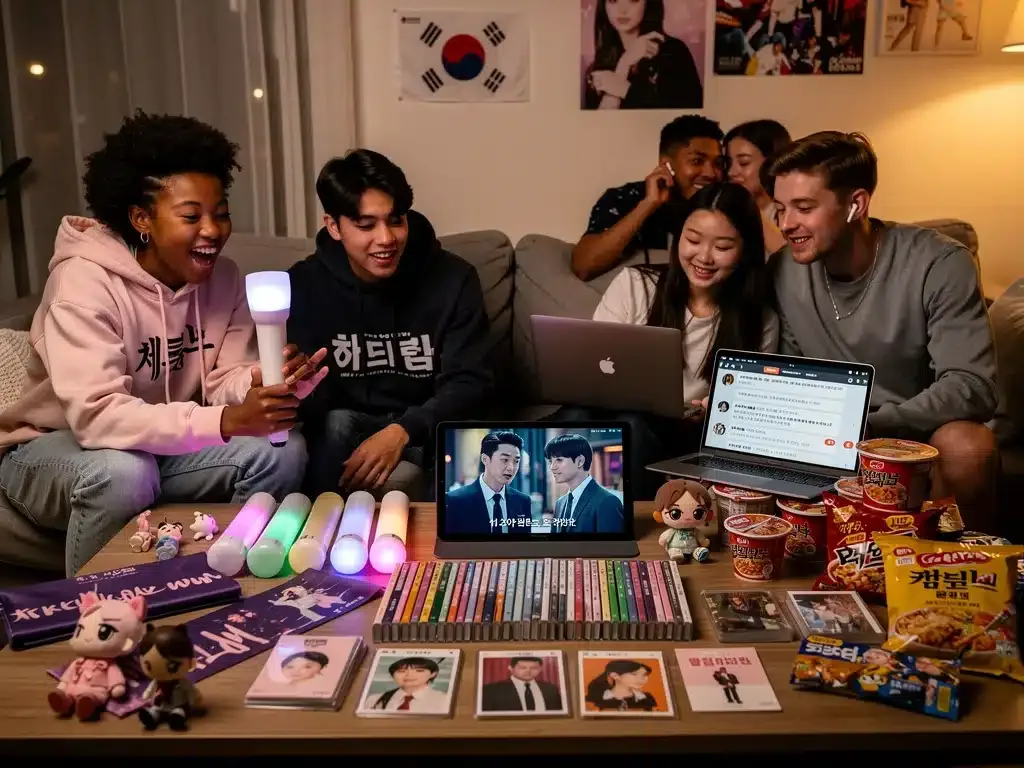
For US media companies, this means adapting to a more globally interconnected market where content from diverse origins can achieve massive success. It encourages a re-evaluation of traditional production and distribution models, pushing towards more inclusive and globally minded strategies. The demand for authentic diverse content is no longer a niche market but a significant segment of the global audience.
The economic implications of K-Culture are profound and far-reaching. They demonstrate that cultural exchange, when handled respectfully, can lead to significant financial rewards and a more diversified global entertainment market, while also empowering the originating culture on the world stage.
Navigating the future: best practices for integration
As K-Culture US Media integration continues its rapid evolution, establishing best practices for ethical and respectful engagement becomes paramount. The goal is to maximize the benefits of cultural exchange while actively mitigating the risks of appropriation, ensuring a sustainable and mutually enriching future for both cultures.
This requires a proactive approach from creators, producers, and consumers alike. It involves thoughtful consideration of intent, process, and impact, moving beyond superficial engagement to foster genuine understanding and collaboration. The future of cross-cultural media depends on these deliberate efforts.
Prioritizing authentic collaboration and consultation
One of the most effective strategies for avoiding appropriation is to prioritize authentic collaboration with Korean creators, artists, and cultural experts. This means involving them in all stages of a project, from conceptualization to execution, ensuring their voices are heard and their cultural insights are respected.
- Early engagement: Involve Korean cultural consultants or creators from the initial planning stages of any project drawing from K-Culture.
- Equitable partnerships: Ensure fair compensation and recognition for Korean collaborators, reflecting their contributions.
- Knowledge sharing: Foster environments where genuine learning about Korean culture can occur for all involved parties.
Such collaborations not only enhance the authenticity of the content but also promote a sense of shared ownership and mutual respect. This approach moves beyond simply taking elements to genuinely building bridges between cultures.
Educating audiences and promoting cultural literacy
Beyond creators, audiences also have a role to play. Media outlets and educational institutions can contribute by promoting cultural literacy and providing context for K-Culture elements presented in US media. This helps viewers understand the origins and significance of what they are consuming, fostering a deeper appreciation rather than superficial consumption.
For instance, when a K-Drama is adapted, providing supplementary materials that explain cultural nuances or historical contexts can greatly enrich the viewing experience. Similarly, when K-Pop fashion influences American trends, acknowledging the original designers or inspirations helps to educate consumers and prevent cultural erasure.
The future of K-Culture in US media lies in fostering a landscape where cultural elements are not just consumed but truly understood and respected. This involves a continuous commitment to learning, dialogue, and ethical practices from all stakeholders, ensuring that the vibrant exchange benefits everyone involved.
The evolving discourse: 2026 and beyond
As we look towards 2026 and beyond, the discourse surrounding K-Culture US Media integration is set to become even more complex and nuanced. The initial novelty has worn off, and what remains is a deeply embedded cultural presence that demands ongoing critical reflection. The conversations will shift from whether K-Culture is here to stay to how it will continue to evolve and influence global creative industries.
The rapid pace of cultural production and consumption means that the lines between inspiration, homage, and appropriation will constantly be redrawn. This necessitates an adaptive framework for understanding and engaging with cross-cultural interactions, driven by continuous dialogue and a commitment to ethical practices.
Increased scrutiny and accountability
With K-Culture’s growing prominence, there will likely be increased scrutiny from both academic circles and public communities regarding how its elements are used in US media. This heightened awareness will push for greater accountability from creators and corporations, making superficial or disrespectful engagements less tolerable.
- Audience expectations: Consumers, especially younger generations, are more culturally aware and demand authenticity and respect.
- Industry standards: Media companies may develop clearer guidelines for cross-cultural collaborations to avoid backlash.
- Legal and ethical frameworks: Discussions around intellectual property and cultural heritage may lead to new legal or ethical standards for cultural borrowing.
This increased scrutiny is not a deterrent to creativity but rather an impetus for more thoughtful and innovative approaches to cultural integration. It encourages artists to delve deeper, understand more thoroughly, and engage more respectfully.
Towards a truly globalized and equitable media landscape
The long-term vision for K-Culture in US media is one where globalized content creation is truly equitable. This means moving beyond a model where one culture is simply a source of material for another, towards a collaborative ecosystem where diverse voices are equally valued and empowered.
The success of K-Culture has demonstrated that cultural content does not need to be homogenized to achieve global appeal. In fact, its unique cultural flavors are often precisely what makes it so attractive. This lesson can guide the future development of US media, encouraging it to embrace and celebrate global diversity in its authentic forms.
Ultimately, the evolving discourse surrounding K-Culture’s integration into US media is a microcosm of broader global conversations about identity, representation, and power. Navigating this future successfully will require ongoing dialogue, empathy, and a shared commitment to building a truly inclusive and respectful cultural landscape for 2026 and beyond.
| Key Aspect | Brief Description |
|---|---|
| Hallyu’s US Penetration | K-Culture has moved from niche to mainstream in US media, influencing music, drama, fashion, and more. |
| Exchange vs. Appropriation | Distinguishing between mutual respect and uncredited borrowing is crucial for ethical cultural integration. |
| Fan Community Role | Social media and fanbases are powerful forces in promoting K-Culture and holding creators accountable. |
| Economic Impact | K-Culture generates billions, shifting market dynamics and enhancing South Korea’s global soft power. |
Frequently asked questions about K-Culture in US media
What is the primary difference between cultural exchange and appropriation?▼Cultural exchange involves mutual sharing and respect between cultures, with acknowledgment of origins. Appropriation, however, typically involves a dominant culture taking elements from a marginalized one without understanding, credit, or respect, often for commercial gain, stripping the elements of their original meaning.
How has social media influenced K-Culture’s integration into US media?▼Social media has been crucial for K-Culture’s global spread, enabling direct artist-fan interaction and content virality. It also empowers fan communities to act as watchdogs, swiftly addressing instances of perceived appropriation and holding creators accountable for cultural insensitivity, shaping public discourse.
What are the economic impacts of K-Culture in the US?▼K-Culture generates billions in the US through music, dramas, merchandise, and related industries like tourism and beauty. This success influences market dynamics, attracts significant investment, and enhances South Korea’s cultural soft power, pushing US media towards more inclusive content strategies.
What are best practices for ethical K-Culture integration in US productions?▼Best practices include prioritizing authentic collaboration with Korean creators and cultural experts from early stages, ensuring equitable partnerships, and fostering genuine knowledge sharing. Additionally, educating audiences about cultural contexts helps promote deeper appreciation and mitigates superficial consumption, ensuring respectful engagement.
How might the discourse on K-Culture and US media evolve beyond 2026?▼Beyond 2026, the discourse will likely involve increased scrutiny and accountability from audiences and industry regarding cultural borrowing. It will push towards a more equitable global media landscape, where diverse voices are valued, and cultural content is understood and respected in its authentic forms, moving past simple consumption.
Conclusion
The integration of K-Culture into US media, as observed in 2026, represents a complex and dynamic cultural phenomenon. It is a testament to the power of Hallyu to transcend geographical and linguistic barriers, captivating an increasingly diverse American audience. This deep dive has explored the critical distinction between genuine cultural exchange, characterized by mutual respect and collaboration, and cultural appropriation, which often involves the uncredited and decontextualized borrowing of elements from a marginalized culture. The role of social media and vigilant fan communities has proven instrumental in shaping this discourse, acting as both amplifiers of K-Culture’s reach and crucial watchdogs against cultural missteps. Economically, K-Culture has demonstrated immense power, generating billions and influencing global market dynamics, thereby enhancing South Korea’s soft power on the world stage. Moving forward, the emphasis must remain on fostering authentic collaborations, promoting cultural literacy among audiences, and ensuring that the continued integration is built on principles of equity and respect. The evolving conversation around K-Culture US media will undoubtedly continue to challenge and enrich the global entertainment landscape, providing valuable lessons for cross-cultural engagement in an increasingly interconnected world.