Fan Translations: Dorama Accessibility & Popularity in US by 2026
Advertisements
Fan translations are instrumental in catapulting dorama accessibility and popularity within the US, dismantling linguistic barriers and cultivating a dedicated viewership that significantly influences cultural trends and market dynamics by 2026.
The global entertainment landscape is ever-evolving, and one of the most compelling narratives emerging is the rise of East Asian dramas, collectively known as doramas, in Western markets. Central to this phenomenon is the impact of fan translations: a deep dive into their influence on dorama accessibility and popularity in the US by 2026 reveals an intricate ecosystem where passion meets technology to bridge cultural divides and foster a burgeoning viewership.
The Unseen Labor: Decoding Fan Translation’s Genesis and Evolution
Fan translations, often born out of sheer devotion to a particular dorama or genre, represent a grassroots movement that predates the widespread availability of official subtitles on streaming platforms. This section delves into how these volunteer efforts initially laid the groundwork for dorama’s eventual mainstream acceptance in the United States.
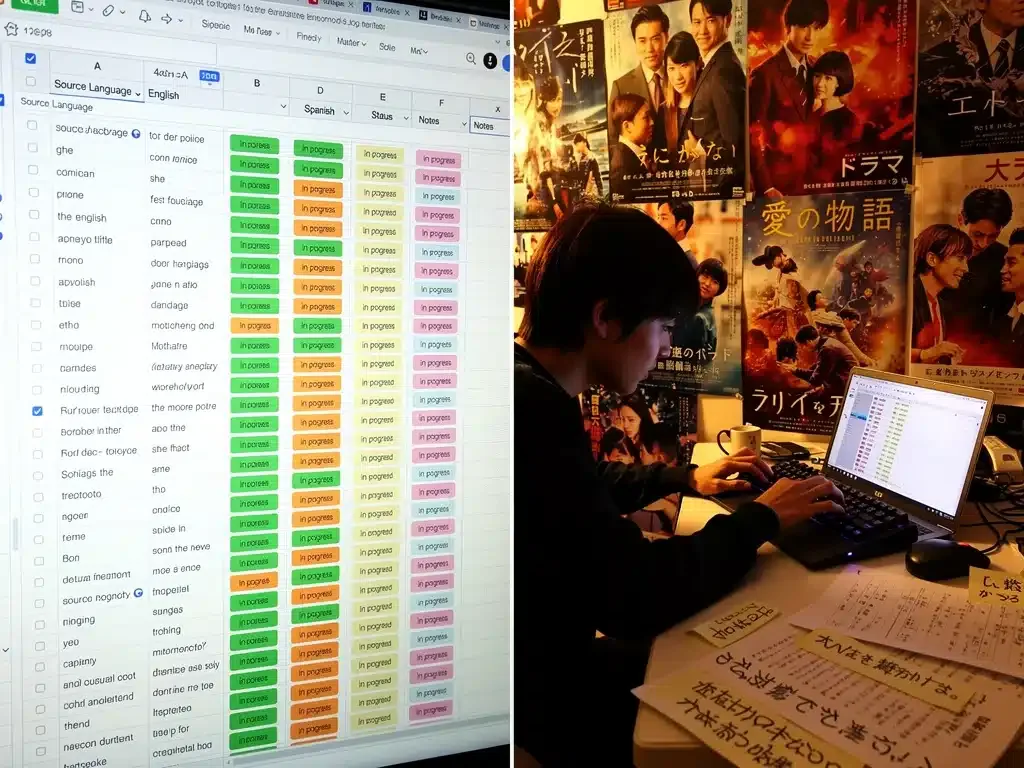
The genesis of fan translation groups can be traced back to online forums and communities where fans, frustrated by the lack of localized content, took it upon themselves to translate dialogues, often directly from raw Japanese, Korean, or Chinese broadcasts. This early period was marked by significant challenges, including technical limitations and the sheer volume of work involved.
Early Challenges and Triumphs
Initially, fan translators faced numerous hurdles. Accessing raw episodes, synchronizing subtitles, and ensuring accuracy were monumental tasks, often requiring specialized software and collaborative effort. Yet, their dedication persevered, leading to the first wave of widely accessible doramas for English-speaking audiences.
- Technical Hurdles: Dealing with various video formats and subtitle synchronization tools.
- Language Proficiency: High demand for fluent speakers in source languages.
- Time Commitment: Translating entire series often took hundreds of hours.
- Community Building: Fostering online spaces for collaboration and distribution.
Despite these difficulties, the triumph of early fan translation efforts was undeniable. They created a crucial bridge, allowing American audiences to engage with stories and cultures previously inaccessible. This foundational work cultivated a niche but passionate viewership, eager for more international content.
In essence, the evolution of fan translations showcases a remarkable journey from obscure, labor-intensive beginnings to a sophisticated, organized network that significantly influenced the early growth of dorama viewership in the US. Their pioneering spirit paved the way for future developments in content accessibility.
Bridging Linguistic Gaps: How Fan Translations Drive Accessibility
One of the most profound contributions of fan translations is their unparalleled ability to bridge linguistic barriers, making doramas accessible to millions who would otherwise be excluded. This accessibility is not just about understanding dialogue, but also about grasping cultural nuances that official translations sometimes overlook.
Fan translators, often deeply embedded in the fandom, possess an intimate understanding of the cultural context, slang, and subtle humor that might be lost in more formal, commercially driven translations. This cultural fluency enriches the viewing experience, allowing audiences to connect more deeply with the narrative and characters.
Beyond Literal Translation: Cultural Context and Nuance
The power of fan translations lies in their capacity to convey not just the words, but the inherent cultural meaning. This often involves adding explanatory notes, translating honorifics, and providing context for specific customs or social interactions that are foreign to Western viewers.
- Explaining Honorifics: Clarifying the use of ‘oppa,’ ‘unnie,’ ‘hyung,’ etc., to denote relationships and respect.
- Cultural References: Providing context for historical events, traditional foods, or common social practices.
- Slang and Idioms: Translating colloquialisms that official subtitles might simplify or omit.
- Emotional Resonance: Ensuring the intended emotional impact of scenes is preserved through careful word choice.
This meticulous attention to detail transforms a mere translation into a cultural interpretation, making doramas not just understandable, but truly relatable for American audiences. It fosters a deeper appreciation for the original content and the culture it represents.
Ultimately, fan translations serve as vital cultural conduits, offering a nuanced and authentic viewing experience. Their commitment to preserving the original intent and cultural richness ensures that doramas resonate powerfully with a diverse American audience, significantly enhancing their overall accessibility.
The Popularity Surge: Fan Translations as a Catalyst for Growth
The burgeoning popularity of doramas in the US cannot be discussed without acknowledging the pivotal role played by fan translations. These unofficial efforts acted as a critical catalyst, introducing a vast array of content to eager viewers long before official channels recognized the demand.
By making content available quickly and often with superior cultural accuracy, fan translations cultivated a dedicated fanbase. This fanbase, in turn, created a groundswell of demand that eventually caught the attention of major streaming platforms and distributors, leading to increased official licensing and availability.
From Niche to Mainstream: The Fan-Driven Trajectory
The journey of doramas from niche interest to mainstream phenomenon is a testament to the power of fan engagement. Fan translation communities not only provided content but also became hubs for discussion, recommendations, and cultural exchange, amplifying the reach of doramas organically.
- Word-of-Mouth Marketing: Fans enthusiastically shared their favorite doramas within their social circles.
- Online Communities: Forums and social media groups became central to discovering and discussing new series.
- Demand Generation: The sheer volume of fan-translated content demonstrated a clear market demand.
- Critical Acclaim: Fan groups often highlighted critically acclaimed series, guiding new viewers.
This fan-driven trajectory created a self-sustaining cycle: more fan translations led to more viewers, which in turn generated more demand, compelling official platforms to invest in dorama content. The enthusiasm of the fan community became an undeniable market force.
In conclusion, fan translations were not merely a stopgap solution but an active force in propelling doramas into the American mainstream. Their role in building and mobilizing a passionate audience was indispensable for the genre’s current widespread recognition and future growth.
Navigating the Legal and Ethical Landscape of Fan Translations
The realm of fan translations, while instrumental in cultural dissemination, operates within a complex legal and ethical landscape. Understanding the nuances of copyright, fair use, and the relationship between fan groups and official distributors is crucial to appreciating their full impact.
Historically, fan translations existed in a gray area, often tolerated by content creators as a form of organic marketing, especially when official channels were absent. However, as doramas gained commercial viability, the lines between fan work and intellectual property infringement became more pronounced.
Copyright Concerns and Community Standards
The primary legal concern surrounding fan translations is copyright infringement, as they involve unauthorized reproduction and distribution of copyrighted material. Despite this, many content creators have adopted a pragmatic approach, recognizing the promotional value of fan efforts.
- Fair Use Debates: Arguments often revolve around whether fan translations constitute transformative use.
- Cease and Desist Orders: Instances where official distributors requested fan groups to halt operations.
- Community Self-Regulation: Many groups adhere to unwritten rules, such as removing translations once official versions are released.
- Collaboration Potential: Some official platforms have even recruited experienced fan translators.
Ethically, fan translators often operate under a code of conduct that prioritizes sharing culture and supporting creators, even if their methods technically infringe on copyright. This delicate balance highlights the evolving relationship between creators and their most passionate fans.
Ultimately, the legal and ethical considerations surrounding fan translations are dynamic, reflecting the tension between intellectual property rights and the powerful desire for cultural exchange. Their continued existence often relies on a tacit understanding and evolving strategies from both fan communities and content owners.
The Future Landscape: Fan Translations in a Streaming-Dominated World by 2026
As we look towards 2026, the role of fan translations is undergoing a significant transformation, adapting to a world increasingly dominated by global streaming platforms. While official subtitles are now more prevalent, fan translations continue to hold a unique and valuable place.
Streaming giants like Netflix, Viki, and Kocowa have invested heavily in licensing and subtitling doramas, seemingly reducing the necessity for fan efforts. However, fan translations often offer a speed and cultural depth that official services sometimes struggle to match, especially for less popular or older titles.
Coexistence and Complementary Roles
Instead of being rendered obsolete, fan translations are evolving into a complementary force alongside official offerings. They fill gaps, provide alternative translations, and continue to serve niche communities with specific needs or preferences.
- Filling Content Gaps: Translating older doramas or those not picked up by official distributors.
- Speed Advantage: Often providing subtitles much faster than official channels for newly aired episodes.
- Quality Alternatives: Offering different translation styles or more in-depth cultural notes.
- Community Engagement: Maintaining forums and discussion spaces that official platforms don’t fully replicate.
By 2026, we can expect a continued symbiotic relationship, where official platforms cater to the mass market, and fan translators continue to serve as cultural preservationists and pioneers, ensuring a comprehensive and rich dorama experience for all.
The future of fan translations by 2026 is not one of decline, but rather one of adaptation and specialization. They will likely continue to thrive by offering unique value propositions that complement, rather than compete directly with, the expanding official streaming landscape.
Measuring Impact: Dorama Popularity Metrics and Fan Contribution
Assessing the true impact of fan translations on dorama popularity requires looking beyond anecdotal evidence to concrete metrics. While direct quantification can be challenging, various indicators point to a significant correlation between fan efforts and increased viewership and engagement in the US.
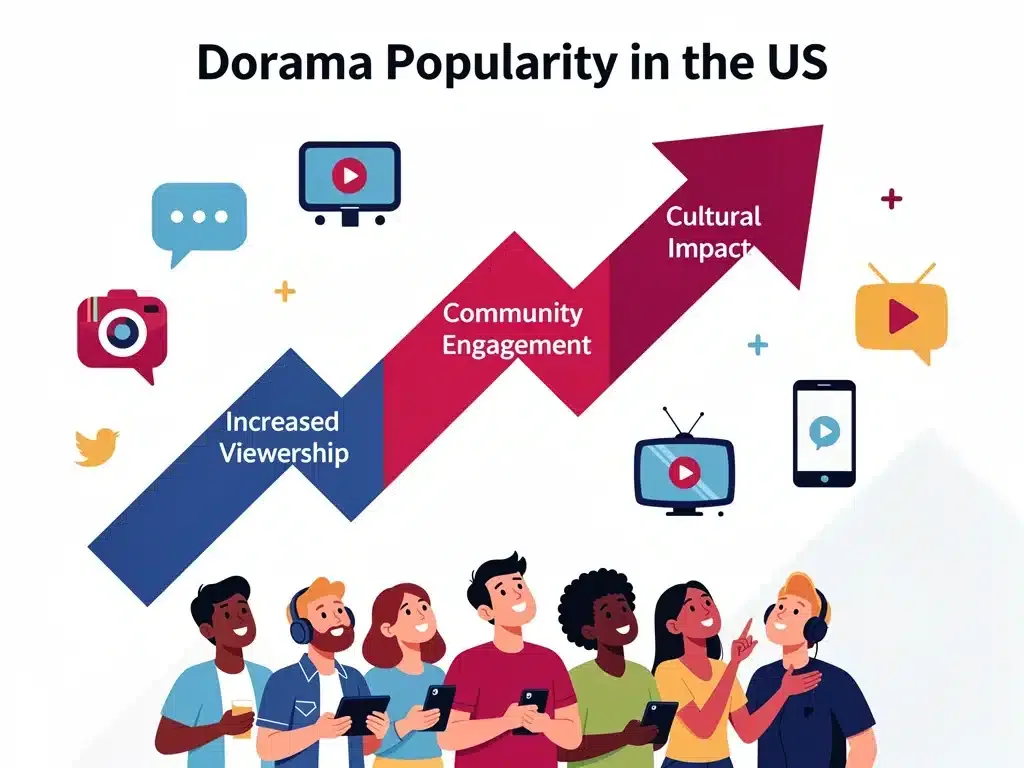
The growth in subscriptions to dorama-centric streaming platforms, the proliferation of dorama-related content on social media, and the rising number of fan conventions all serve as proxies for popularity, much of which was initially fueled by the groundwork laid by fan translators.
Key Indicators of Dorama Growth
Several metrics highlight the increasing mainstream appeal of doramas, demonstrating the long-term effects of fan-driven accessibility. These indicators collectively paint a picture of a rapidly expanding and engaged audience.
- Streaming Platform Growth: Significant increases in subscribers for services like Viki, Kocowa, and even Netflix’s Asian content library.
- Social Media Trends: Doramas frequently trend on Twitter, TikTok, and Instagram, generating millions of interactions.
- Merchandise Sales: A rise in sales of official dorama merchandise, OSTs, and related products.
- Fan Event Attendance: Growing numbers at conventions and fan meet-ups dedicated to Asian dramas.
These quantifiable measures reflect a robust and expanding interest in doramas, an interest that fan translations were instrumental in cultivating from its nascent stages. The continued engagement of fan communities ensures this growth persists.
In summary, the measurable success of doramas in the US is inextricably linked to the tireless work of fan translators. Their contributions have not only made content available but have also built a vibrant community that drives continued popularity and engagement, shaping the entertainment landscape for years to come.
| Key Aspect | Brief Description |
|---|---|
| Accessibility Driver | Fan translations initially made doramas available to non-speakers, fostering early US viewership. |
| Cultural Bridge | They provide nuanced cultural context often missed by official subtitles, enriching viewer understanding. |
| Popularity Catalyst | Fan efforts created demand, pushing official platforms to license more dorama content in the US. |
| Future Role | By 2026, fan translations will likely complement official releases, serving niche and underserved content. |
Frequently Asked Questions About Fan Translations and Doramas
What exactly are fan translations in the context of doramas?▼Fan translations are unofficial subtitles or dubs created by volunteer fans, often organized in online communities. They aim to make foreign-language doramas accessible to a wider audience, usually before or in place of official translations, driven by passion for the content and cultural sharing.
How do fan translations influence dorama popularity in the US?▼Fan translations significantly boost dorama popularity by breaking language barriers, introducing new series to audiences, and fostering dedicated fanbases. This organic growth often creates enough demand to prompt official streaming platforms to license and subtitle more content, expanding reach.