Dorama’s US Ascent: 2026 Marketing Strategies Deep Dive
Advertisements
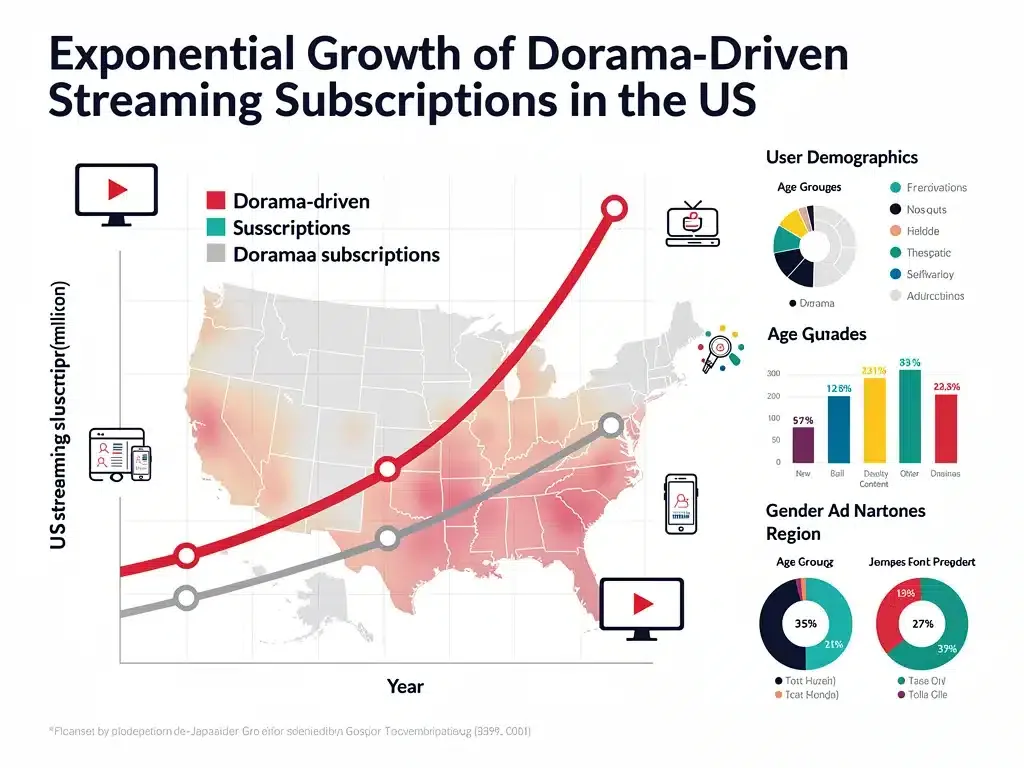
By 2026, doramas have successfully transitioned from niche content to mainstream US entertainment, driven by strategic digital marketing, platform accessibility, and cultural resonance.
The journey of doramas from a niche fascination to a mainstream cultural phenomenon in the United States by 2026 is a compelling narrative of strategic marketing and evolving audience tastes. This deep dive explores the innovative Dorama US Marketing Strategies that successfully elevated these captivating series, demonstrating a profound understanding of the American entertainment landscape and digital consumption habits.
Understanding the initial US dorama landscape
Before 2020, doramas, particularly K-dramas, were largely confined to dedicated fan communities in the US, often accessed through less conventional channels. This initial landscape was characterized by a passionate, yet limited, audience that actively sought out content, translating subtitles, and sharing recommendations within tight-knit online forums. The marketing efforts were minimal, primarily relying on word-of-mouth and the organic growth of subculture enthusiasts.
The challenge was not only to introduce a new form of storytelling but also to overcome language barriers and cultural differences. Many perceived doramas as foreign or too niche, lacking the broad appeal of Hollywood productions. Overcoming this perception required a multifaceted approach that went beyond traditional advertising, focusing instead on accessibility and cultivating genuine interest.
Key to this early phase was the establishment of a foundational fan base that would later become instrumental in the mainstream push. These early adopters, often young and digitally native, were crucial in generating initial buzz and demonstrating the potential for wider appeal. Their engagement laid the groundwork for the more sophisticated marketing strategies that would emerge.
The streaming revolution: unlocking accessibility
The advent and proliferation of global streaming platforms proved to be the single most significant catalyst for doramas in the US. Services like Netflix, Hulu, and later, more specialized platforms, began licensing and producing dorama content, making it effortlessly accessible to millions of American households. This move instantly dismantled geographical and linguistic barriers, presenting doramas as a legitimate and high-quality entertainment option alongside Western series.
Strategic partnerships between dorama production houses and these streaming giants were pivotal. These agreements often included not just distribution but also co-production deals, ensuring high production values and tailored content for an international audience. The platforms invested heavily in dubbed and subtitled versions, removing hurdles that previously deterred potential viewers. This made it easier for new audiences to discover and enjoy doramas without feeling like they were engaging with foreign content.
Curated content and algorithmic discovery
- Personalized recommendations: Streaming algorithms played a crucial role, introducing doramas to viewers based on their existing preferences for drama, romance, or specific genres, even if they hadn’t explicitly searched for Asian content.
- Homepage visibility: Prominent placement on streaming service homepages, often alongside popular Western shows, normalized doramas and encouraged casual browsing.
The streaming revolution wasn’t just about availability; it was about integration into the everyday viewing habits of Americans. By positioning doramas within the familiar and convenient ecosystem of streaming, marketers effectively bypassed the perception of niche content and presented it as just another compelling series waiting to be discovered. This seamless integration was a game-changer, transforming how and where audiences encountered doramas.
Digital marketing and social media dominance
In the lead-up to 2026, digital marketing and social media emerged as the primary battlegrounds for capturing audience attention and fostering engagement for doramas in the US. Recognizing the target demographic’s online presence, marketing campaigns shifted heavily towards platforms like TikTok, Instagram, and YouTube. These platforms allowed for highly targeted advertising, viral content creation, and direct interaction with fans, building communities around specific shows and actors.
Influencer marketing became particularly potent. Collaborations with popular content creators, K-pop idols, and even Western celebrities who expressed an interest in doramas amplified reach and credibility. These influencers often created reaction videos, review series, or challenge content, organically integrating doramas into trending online discussions. This strategy leveraged the trust and authenticity that audiences place in their favorite online personalities.
Community building and fan engagement
- Interactive campaigns: Social media challenges, Q&A sessions with actors, and fan art competitions fostered a strong sense of community and active participation.
- Localized content: Creating content specifically for the US audience, such as memes, cultural comparisons, or English-language interviews, helped bridge cultural gaps and make doramas more relatable.
- Fan-generated content: Encouraging and amplifying fan theories, edits, and discussions created a self-sustaining ecosystem of promotion.
The power of social media lay in its ability to turn viewers into active participants and advocates. By facilitating discussions, sharing behind-the-scenes glimpses, and responding to fan feedback, marketing teams built loyal communities that not only consumed doramas but also actively promoted them. This grassroots approach, amplified by strategic digital advertising, was instrumental in converting casual viewers into devoted fans and expanding the overall audience base.
Strategic content localization and cultural bridging
While maintaining their authentic cultural essence, doramas underwent a strategic localization process to resonate more deeply with American audiences. This wasn’t about diluting the original content but rather about making it more accessible and understandable. Beyond accurate subtitles and dubbing, this involved subtle cultural bridging in promotional materials and discussions. Marketing campaigns highlighted universal themes such as love, friendship, ambition, and resilience, which transcend cultural boundaries, making doramas relatable to a diverse US demographic.
Character archetypes and narrative structures, while distinct, were often framed in ways that drew parallels to popular Western tropes, easing new viewers into the genre. For instance, a strong female lead in a historical dorama might be presented with comparisons to iconic Western heroines, subtly guiding audience understanding. This approach helped demystify the unfamiliar without stripping away the unique charm of dorama storytelling. The focus was on showcasing the emotional depth and compelling storytelling that makes doramas globally appealing.
Furthermore, educational content about Korean or East Asian culture, often integrated into promotional materials or social media campaigns, helped viewers appreciate the nuances of the shows. This cultural context enrichment transformed viewing into a more immersive and educational experience, deepening engagement beyond mere entertainment. This thoughtful approach to cultural bridging was a critical component of the Dorama US Marketing Strategies.
Cross-cultural collaborations and celebrity endorsements
The push for doramas into the mainstream in the US saw a significant increase in cross-cultural collaborations and celebrity endorsements by 2026. This strategy aimed to leverage the existing popularity of Western figures and brands to introduce doramas to new audiences. Partnerships ranged from K-pop idols collaborating with American musicians for soundtrack contributions to dorama actors making guest appearances on popular US talk shows or podcasts. These collaborations generated significant buzz and media coverage, expanding the reach beyond traditional dorama fan circles.
High-profile endorsements from American celebrities, whether actors, musicians, or social media personalities, also played a crucial role. When a well-known Western figure publicly expressed their enjoyment of a dorama, it instantly conferred a stamp of approval, making the content more appealing and less ‘foreign’ to their followers. These endorsements often felt organic, stemming from genuine appreciation, which further enhanced their impact and trustworthiness.
Brand partnerships and merchandise
- Fashion and beauty lines: Collaborations between dorama stars and popular US fashion or beauty brands created exclusive merchandise, tapping into fan loyalty and expanding brand visibility.
- Food and beverage promotions: Themed food and drink promotions tied to specific doramas capitalized on the cultural aspects often seen in the shows, offering an experiential marketing angle.
- Interactive experiences: Pop-up events, virtual meet-and-greets, and themed cafes offered fans immersive experiences, strengthening their connection to the dorama universe.
These collaborations and endorsements were not just about visibility; they were about creating a cultural dialogue. By intertwining dorama culture with aspects of American pop culture, marketers successfully normalized and celebrated its presence, fostering a sense of shared experience. This strategic melding of cultures was vital in cementing doramas’ place in the US mainstream entertainment landscape.
The evolving fan experience and sustained engagement
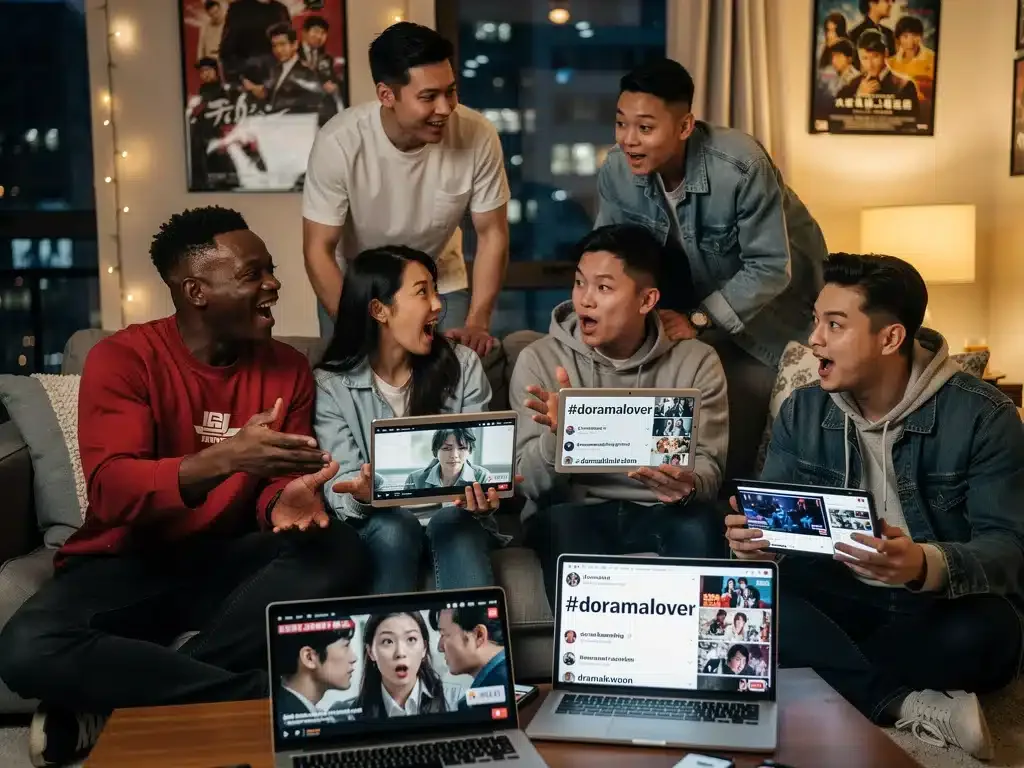
By 2026, the dorama fan experience in the US had evolved far beyond passive viewing, becoming a vibrant, interactive, and deeply engaging community. Marketers understood that sustaining mainstream appeal required more than just attracting new viewers; it demanded nurturing existing fans and providing them with continuous opportunities for interaction. This led to the development of sophisticated fan engagement strategies that leveraged digital platforms and real-world events.
Virtual fan meetings, often featuring interactive Q&A sessions and exclusive content, became commonplace, allowing fans to connect directly with their favorite actors. Online forums and dedicated social media groups flourished, serving as hubs for discussion, theory-crafting, and shared emotional experiences. These spaces provided a sense of belonging and reinforced the collective identity of dorama enthusiasts. The emphasis was on creating a truly immersive experience.
Furthermore, the availability of official merchandise, ranging from apparel to collectibles, allowed fans to express their passion tangibly. Pop-up stores and themed events in major US cities created physical spaces for fans to gather, celebrate, and purchase exclusive items, further solidifying the community. These initiatives transformed mere viewership into active participation and advocacy. The sustained engagement generated by these efforts was crucial for the long-term success of Dorama US Marketing Strategies.
Future outlook: innovation and diversification in dorama marketing
Looking ahead from 2026, the future of dorama marketing in the US promises even greater innovation and diversification. With a firmly established mainstream presence, the focus will likely shift towards deepening engagement and exploring new frontiers. Virtual reality (VR) and augmented reality (AR) experiences are expected to play a significant role, offering fans immersive ways to interact with dorama worlds and characters. Imagine virtual tours of iconic dorama sets or AR filters that allow fans to ‘try on’ character outfits.
The integration of artificial intelligence (AI) will also become more sophisticated, enabling hyper-personalized content recommendations and interactive storytelling. AI could potentially create personalized dorama spin-offs or choose-your-own-adventure narratives based on individual viewer preferences. This level of customization will aim to create an even stronger bond between the audience and the content, ensuring sustained interest.
Emerging marketing channels and content formats
- Metaverse integration: Creating dorama-themed spaces within the metaverse, allowing fans to socialize, attend virtual concerts, and engage in interactive experiences.
- Gaming collaborations: Developing dorama-inspired video games or integrating dorama characters into existing popular gaming franchises.
- Interactive web series: Producing short, interactive web series that allow viewers to influence the plot or character decisions, blurring the lines between consumption and creation.
Diversification of content will also be key, with marketers exploring new genres and formats beyond traditional romance and historical dramas. This includes an increased focus on sci-fi, thrillers, and even animated doramas, catering to a broader spectrum of tastes within the US audience. The constant evolution of marketing techniques, coupled with a commitment to diverse and high-quality content, will ensure that doramas continue to thrive and innovate in the American entertainment landscape for years to come.
| Key Strategy | Impact on US Mainstream |
|---|---|
| Streaming Platform Integration | Massive accessibility and normalized viewing habits for diverse US audiences. |
| Digital & Social Media Marketing | Built strong fan communities and viral content, driving organic growth and buzz. |
| Cultural Bridging & Localization | Made content relatable to US viewers while retaining authentic charm and appeal. |
| Cross-Cultural Collaborations | Leveraged Western celebrity influence to expand reach and credibility significantly. |
Frequently asked questions about dorama’s US ascent
What was the most impactful marketing strategy for doramas in the US?▼The integration into major streaming platforms like Netflix was undeniably the most impactful strategy. This move instantly made doramas accessible to millions of American households, overcoming significant barriers of distribution and discovery, and effectively normalizing their presence alongside Western content.
How did social media contribute to dorama’s mainstream success?▼Social media platforms like TikTok and Instagram were crucial for viral content, influencer marketing, and building strong fan communities. They facilitated direct engagement, allowed for targeted campaigns, and encouraged fan-generated content, turning viewers into active promoters and expanding reach organically.
Did cultural differences hinder dorama’s adoption in the US?▼Initially, cultural differences posed a challenge, but strategic localization and cultural bridging efforts mitigated this. Marketers highlighted universal themes and provided cultural context, helping American audiences understand and relate to the narratives without sacrificing the authentic charm of doramas.
What role did celebrity endorsements play in dorama’s US growth?▼Celebrity endorsements, both from K-pop idols and Western figures, significantly boosted dorama’s mainstream appeal. These endorsements provided credibility and introduced doramas to new audiences who trusted the recommendations of their favorite personalities, expanding the fan base beyond initial niche groups.
What’s next for dorama marketing in the US?▼Future marketing efforts will focus on innovation and diversification, including VR/AR experiences, AI-driven personalization, metaverse integration, and gaming collaborations. There will also be a push into new genres and interactive content formats to deepen engagement and sustain mainstream appeal.
Conclusion
The remarkable journey of doramas from a niche interest to a mainstream entertainment staple in the US by 2026 is a testament to sophisticated, multi-pronged marketing strategies. By embracing streaming platforms, mastering digital engagement, thoughtfully bridging cultural gaps, and leveraging powerful collaborations, marketers successfully cultivated a vast and passionate American audience. This evolution highlights a profound understanding of audience behavior and the power of strategic content positioning. As the landscape continues to evolve, future innovations in VR, AI, and diversified content will undoubtedly solidify dorama’s enduring presence and influence in the American entertainment sphere, proving that compelling storytelling, when strategically marketed, knows no boundaries.