Dorama Copyright US: Protecting Content in 2026 Digital Age
Advertisements
Protecting dorama copyright US for American distribution in 2026’s digital landscape necessitates a proactive approach to international licensing, robust digital rights management, and constant adaptation to evolving legal frameworks.
Navigating copyright in the digital age: a 2026 deep dive into protecting dorama content for US distribution is more critical than ever. As the global appetite for dorama continues to surge, particularly within the United States, creators and distributors face increasingly complex challenges in safeguarding their intellectual property.
Understanding the Evolving Landscape of Dorama Copyright in 2026
The digital age has revolutionized how dorama content is consumed, making it globally accessible yet simultaneously more vulnerable to unauthorized distribution. In 2026, copyright law continues to grapple with technological advancements, requiring a nuanced understanding for effective protection.
The foundational principles of copyright remain, but their application in the context of global streaming and rapid content sharing demands constant vigilance. For dorama content specifically, this means understanding both the originating country’s intellectual property laws and the specific legal frameworks within the United States.
The Basics of Copyright Protection for Digital Content
Copyright inherently protects original works of authorship, including literary, dramatic, musical, and certain other intellectual works. For doramas, this encompasses the script, cinematography, musical scores, and the overall dramatic presentation. Protection typically arises automatically upon creation.
- Automatic Protection: Copyright exists from the moment a work is created and fixed in a tangible medium.
- Registration Benefits: While not mandatory, registering copyright with the U.S. Copyright Office offers significant advantages, including the ability to sue for infringement and seek statutory damages.
- Duration of Copyright: Generally, copyright lasts for the life of the author plus 70 years, or for works made for hire, 95 years from publication or 120 years from creation, whichever is shorter.
International Treaties and Cross-Border Challenges
Protecting dorama content across borders involves navigating a web of international treaties. The Berne Convention is a cornerstone, ensuring that works originating in one signatory country receive the same copyright protection in other signatory countries. However, enforcement mechanisms can vary significantly.
The challenge intensifies with the ease of digital reproduction and distribution. A dorama legally licensed for streaming in the US might be easily accessible through unauthorized channels originating from countries with less stringent enforcement or different legal interpretations. This calls for robust legal strategies and technological solutions.
In conclusion, the 2026 copyright landscape for dorama content is a dynamic environment. While basic protections are in place, the digital nature of distribution necessitates a proactive and internationally informed approach to safeguard intellectual property rights effectively.
Strategic Licensing and Distribution Models for US Audiences
Effective protection of dorama content in the US digital landscape heavily relies on strategic licensing and distribution models. These strategies ensure that content reaches its intended audience legally, while also generating revenue and deterring piracy.
Choosing the right partners and structuring agreements carefully are paramount. The goal is to maximize reach and profitability while maintaining strong control over how and where the content is consumed.
Exclusive vs. Non-Exclusive Licensing Agreements
Licensing agreements define the terms under which dorama content can be distributed. Exclusive licenses grant a single entity the sole right to distribute content within a specified territory for a set period, offering greater control but potentially limiting wider exposure.
Non-exclusive licenses, conversely, allow multiple distributors to carry the same content. This can lead to broader reach but requires careful management to avoid market saturation and price wars. For US distribution, both models have their merits depending on the dorama’s popularity and the content owner’s strategic goals.
- Exclusive Licensing: Grants sole rights, often leading to higher licensing fees and greater marketing investment from the licensee.
- Non-Exclusive Licensing: Allows for wider distribution, potentially reaching more niche platforms and audiences.
- Territorial Restrictions: Licenses must clearly define geographic boundaries, crucial for US distribution rights.
The Role of Streaming Platforms and Digital Rights Management (DRM)
Streaming platforms are the primary gateway for dorama content to US audiences. Major players like Netflix, Viki, and Crunchyroll invest heavily in acquiring licensing rights and implementing robust Digital Rights Management (DRM) technologies. DRM systems are designed to prevent unauthorized copying and distribution.
These technologies encrypt content and control access, ensuring that only authorized users can view the dorama. While DRM isn’t foolproof, it acts as a significant deterrent to casual piracy and forms a crucial technical layer of protection. Content owners must ensure their distribution partners employ strong DRM protocols.
Ultimately, strategic licensing, combined with the technological safeguards of streaming platforms and DRM, forms a powerful defense against copyright infringement. These models are not static and require continuous evaluation to adapt to market trends and evolving piracy tactics.
Combating Piracy: Legal and Technological Measures in 2026
Piracy remains a persistent threat to dorama content in the digital age, especially for US distribution. In 2026, the battle against unauthorized copying and sharing involves a multi-faceted approach, combining legal enforcement with advanced technological solutions.
The speed at which pirated content can spread online necessitates immediate action and sophisticated detection methods. Both content creators and distributors must be proactive in identifying and addressing infringements.
Advanced Anti-Piracy Technologies
Technological solutions are at the forefront of the fight against piracy. Watermarking, fingerprinting, and content recognition algorithms have become increasingly sophisticated. These tools can detect pirated versions of dorama content across various platforms, from torrent sites to social media.
AI-powered monitoring systems can scan the internet 24/7, identifying unauthorized uploads and streams. Once detected, automated systems can issue takedown notices, significantly reducing the lifespan of pirated content online. The effectiveness of these technologies continues to improve, making it harder for pirates to operate undetected.
Legal Recourse and Enforcement in the US
In the United States, copyright holders have strong legal avenues to pursue infringers. The Digital Millennium Copyright Act (DMCA) provides a framework for issuing takedown notices to internet service providers (ISPs) and website hosts. This is often the first line of legal defense.
For more severe or persistent infringements, copyright holders can file lawsuits in federal court, seeking injunctions, actual damages, or statutory damages. The threat of legal action, coupled with potential financial penalties, serves as a powerful deterrent. International cooperation with law enforcement agencies also plays a role in tackling large-scale piracy operations.
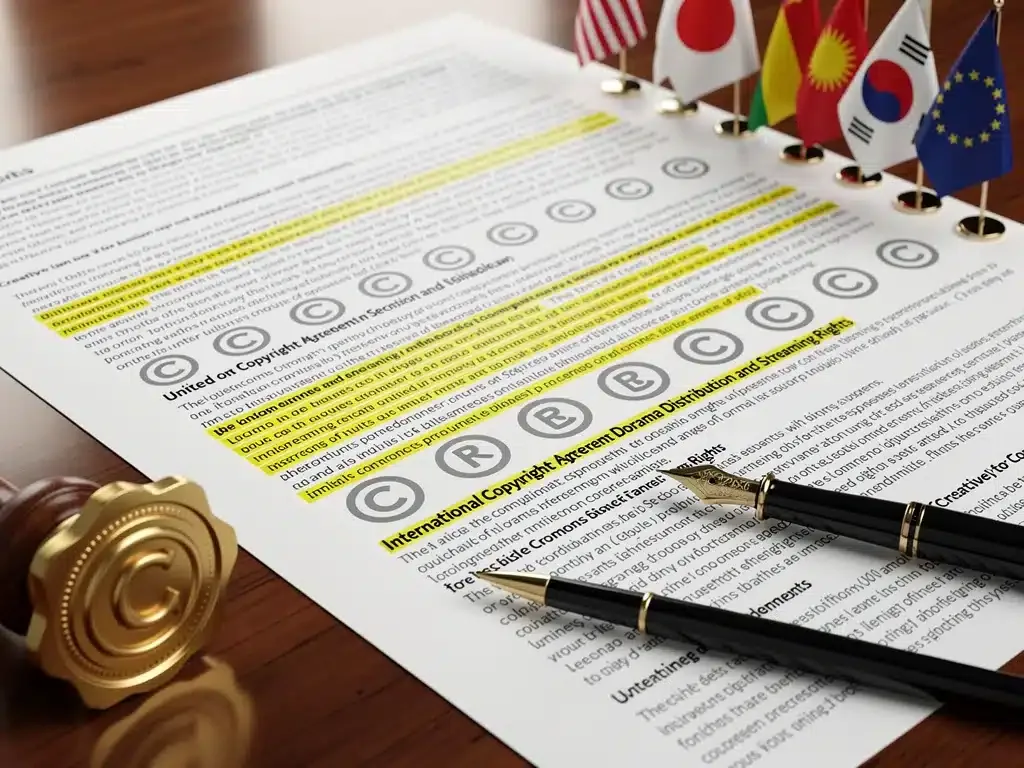
The fight against dorama piracy in 2026 is a continuous effort. It demands a combination of cutting-edge technology for detection and removal, alongside robust legal frameworks to enforce copyright and deter future infringements. Constant adaptation to new piracy methods is key.
Fair Use and Its Implications for Dorama Content
The concept of fair use is a crucial aspect of US copyright law that often creates complexities for dorama content, particularly in the digital realm. Understanding fair use is essential for both copyright holders and those who wish to use copyrighted material.
Fair use allows for the limited use of copyrighted material without permission from the copyright holder for purposes such as criticism, comment, news reporting, teaching, scholarship, or research. However, applying this doctrine to specific instances can be challenging.
Defining Fair Use in the Context of Dorama
Fair use is determined on a case-by-case basis, considering four factors:
- Purpose and Character of the Use: Is the use commercial or for non-profit educational purposes? Is it transformative (adding new meaning or expression)?
- Nature of the Copyrighted Work: Is the dorama factual or creative? Creative works generally receive stronger protection.
- Amount and Substantiality of the Portion Used: How much of the dorama is being used? Is it a small clip or a significant portion?
- Effect of the Use Upon the Potential Market for or Value of the Copyrighted Work: Does the use harm the market for the original dorama?
Common Fair Use Scenarios for Dorama Content
For dorama content, fair use commonly arises in scenarios like fan reviews, reaction videos, or academic discussions. A fan creating a YouTube video analyzing a dorama’s themes and using short clips for illustration might argue fair use.
However, if the use is primarily commercial, such as re-uploading entire episodes with minimal commentary to generate ad revenue, it is highly unlikely to qualify as fair use. The line between transformative use and mere reproduction can be thin, leading to frequent legal disputes or takedown requests.
Navigating fair use requires careful consideration of all four factors. While it provides a necessary balance in copyright law, content creators and users must exercise caution and, when in doubt, seek legal counsel to avoid potential infringement issues related to dorama content.
The Role of AI and Blockchain in 2026 Copyright Protection
As we move further into 2026, artificial intelligence (AI) and blockchain technology are emerging as powerful tools in the fight for dorama copyright protection. These innovations offer new ways to track, manage, and enforce intellectual property rights in the digital landscape.
Their potential lies in their ability to automate processes, provide immutable records, and enhance transparency, addressing some of the most persistent challenges in content protection.
AI-Powered Content Monitoring and Identification
AI’s capacity for pattern recognition and massive data processing makes it invaluable for copyright monitoring. AI algorithms can rapidly scan vast amounts of online content, identifying instances where dorama content is being used without authorization. This includes detecting subtle alterations or re-uploads designed to bypass traditional detection methods.
Furthermore, AI can assist in analyzing usage patterns to predict potential infringement hotspots and prioritize enforcement actions. This proactive approach allows copyright holders to respond much faster than manual methods, significantly reducing the spread of pirated material.
Blockchain for Immutable Copyright Records and Licensing
Blockchain technology offers a decentralized and immutable ledger for recording ownership and licensing information. For dorama content, this means that every stage of its creation, ownership transfer, and licensing agreement can be securely timestamped and recorded on a blockchain.
- Immutable Records: Provides an unchangeable record of creation and ownership, strengthening proof in infringement cases.
- Transparent Licensing: Smart contracts on a blockchain can automate licensing agreements, ensuring terms are met and royalties are distributed efficiently.
- Global Traceability: Allows for easier tracking of content origins and authorized distribution channels across international borders.
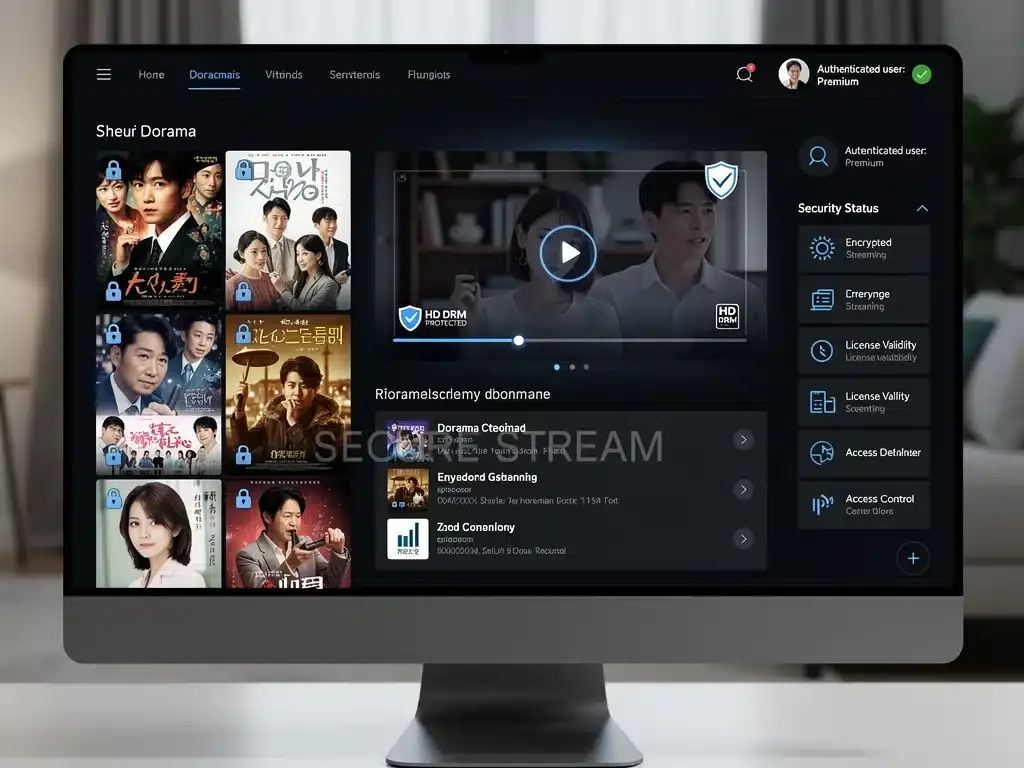
The integration of AI and blockchain into copyright protection strategies represents a significant leap forward in 2026. These technologies offer unprecedented levels of automation, security, and transparency, making it more challenging for infringers and easier for legitimate content owners to manage and protect their valuable dorama assets.
Future Trends and Best Practices for Dorama Content Owners
Looking ahead in 2026, the landscape of dorama content protection will continue to evolve rapidly. Content owners and distributors must stay abreast of emerging trends and adopt best practices to maintain a strong defense against infringement and maximize their content’s value in the US market.
Proactive engagement with legal and technological developments, coupled with strategic planning, will be crucial for long-term success.
Emerging Legal Frameworks and International Cooperation
Expect continued evolution in international copyright treaties and national laws to address new digital challenges. Increased international cooperation among governments and law enforcement agencies will be vital in tackling cross-border piracy rings. Content owners should advocate for stronger enforcement mechanisms and participate in industry initiatives aimed at shaping future legislation.
Staying informed about proposed changes in US copyright law and global agreements will allow dorama content owners to adapt their protection strategies effectively and proactively.
Building Stronger Content Protection Ecosystems
The future of dorama content protection lies in building comprehensive ecosystems that integrate technology, legal strategy, and industry collaboration. This includes:
- Early Registration: Registering copyright in key territories like the US as early as possible.
- Multi-platform Monitoring: Employing services that monitor all major platforms for unauthorized content.
- Education and Awareness: Educating audiences about the importance of supporting legal content to foster a culture of respect for intellectual property.
- Strategic Partnerships: Collaborating with streaming services and anti-piracy organizations to share intelligence and resources.
In summary, the future of protecting dorama content for US distribution in 2026 will demand agility and foresight. By embracing new technologies like AI and blockchain, actively participating in legal reforms, and fostering strong collaborative networks, content owners can navigate the digital age successfully and ensure their creative works are valued and protected.
| Key Aspect | Brief Description |
|---|---|
| Copyright Basics | Automatic protection upon creation; US registration offers enforcement benefits. |
| Licensing Models | Strategic exclusive or non-exclusive agreements crucial for US content distribution. |
| Anti-Piracy Measures | Combines advanced technologies (AI, DRM) with DMCA takedowns and legal action. |
| Emerging Technologies | AI for monitoring and blockchain for immutable copyright records enhance protection. |
Frequently Asked Questions About Dorama Copyright in the US
What is the primary challenge for dorama copyright in the US in 2026?▼The primary challenge is the global nature of digital distribution versus the territoriality of copyright laws. Rapid content sharing and sophisticated piracy methods make it difficult to enforce rights across different jurisdictions, requiring a blend of international legal understanding and advanced technological solutions.
How do US copyright laws apply to doramas produced in other countries?▼Under international treaties like the Berne Convention, doramas produced in signatory countries receive the same copyright protection in the US as domestic works. However, specific enforcement actions must adhere to US legal procedures, often requiring US registration for full legal recourse.
What role does Digital Rights Management (DRM) play in protecting dorama?▼DRM technologies are crucial for preventing unauthorized access, copying, and distribution of dorama content on streaming platforms. They encrypt content and control usage, acting as a technical barrier against piracy and ensuring that only licensed users can view the material as intended.
Can I use short clips of dorama for a fan review under fair use?▼Potentially, yes. Using short clips for critical commentary or review may fall under fair use, especially if the use is transformative and doesn’t significantly harm the market for the original work. However, fair use is judged case-by-case, so it’s always advisable to use minimal portions and focus on transformative criticism.
How will AI and blockchain impact dorama copyright in the coming years?▼AI will revolutionize content monitoring and infringement detection, offering faster and more accurate identification of pirated dorama. Blockchain will provide immutable records of ownership and licensing, enhancing transparency and streamlining royalty distribution through smart contracts, fortifying overall protection efforts.
Conclusion
Navigating copyright in the digital age: a 2026 deep dive into protecting dorama content for US distribution is a multifaceted and ongoing endeavor. The surging popularity of doramas in the United States brings with it both immense opportunity and significant challenges in safeguarding intellectual property. Effective protection hinges on a comprehensive strategy that integrates a thorough understanding of US and international copyright law, strategic licensing models, and advanced technological solutions like DRM, AI, and blockchain. As the digital landscape continues its rapid evolution, content owners and distributors must remain agile, proactive, and collaborative to ensure their creative works are valued and protected, fairly compensated, and enjoyed by audiences legally.