Mastering K-Drama Subtitle Options: 2026 US Viewer Guide
Advertisements
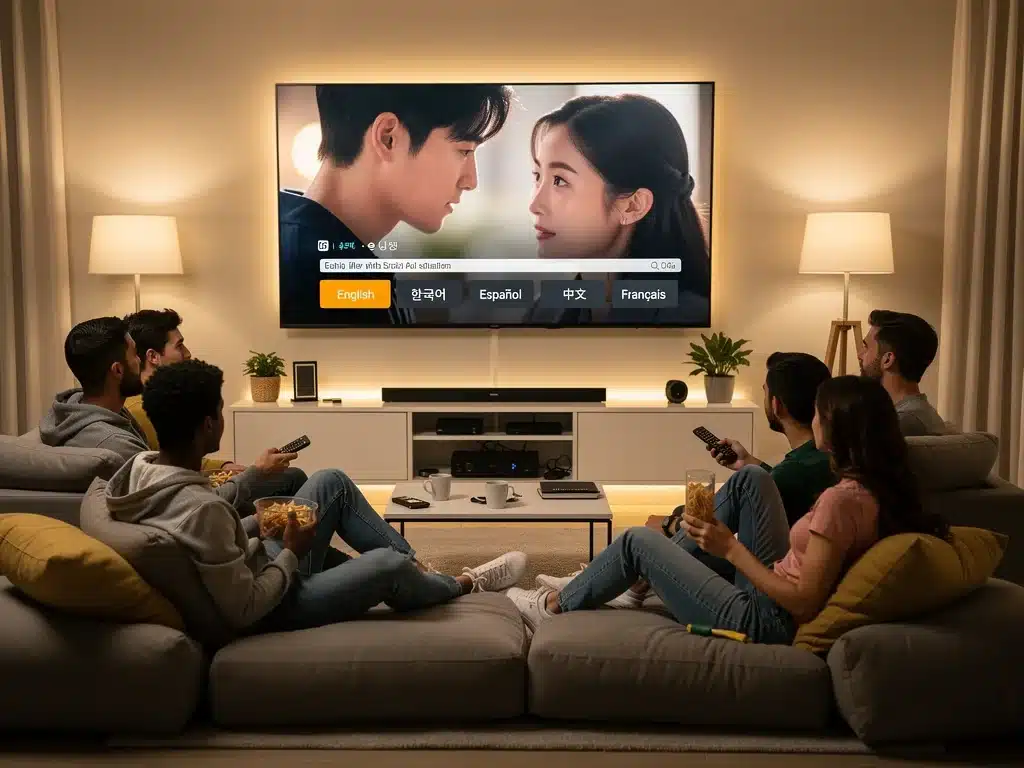
Mastering K-Drama subtitle options is crucial for US viewers in 2026 to unlock a truly immersive and accessible streaming experience, offering enhanced understanding and enjoyment of their favorite Korean dramas.
For US K-Drama enthusiasts, the ability to fully immerse oneself in the captivating narratives and rich cultural nuances often hinges on one critical element: subtitles. In 2026, with streaming technology rapidly evolving, understanding and optimizing your K-Drama subtitle options is more important than ever to enhance your streaming experience.
Advertisements
The evolving landscape of K-Drama subtitles in 2026
The world of K-Drama streaming has undergone significant transformations, particularly concerning subtitle quality and options for US viewers. What was once a basic, often delayed translation has evolved into a sophisticated system offering various choices, catering to diverse preferences and accessibility needs. This evolution reflects the growing global popularity of K-Dramas and the commitment of streaming platforms to provide a premium viewing experience.
Gone are the days of struggling with poorly synchronized or grammatically incorrect subtitles. Today’s platforms leverage advanced AI and human translation teams to deliver highly accurate and contextually relevant translations. This improvement is not just about understanding the dialogue; it’s about appreciating the poetic language, cultural references, and subtle humor that are hallmarks of Korean storytelling.
Advanced translation technologies
Platforms are now integrating machine learning algorithms that not only translate more accurately but also learn from user feedback and contextual patterns. This means subtitles are becoming more natural-sounding and less literal, capturing the essence of the original Korean dialogue with greater fidelity. For US viewers, this translates into a richer and more authentic viewing experience.
- Improved contextual understanding for nuanced dialogue.
- Faster delivery of translated content for new releases.
- Reduced instances of grammatical errors and awkward phrasing.
Standardization and accessibility features
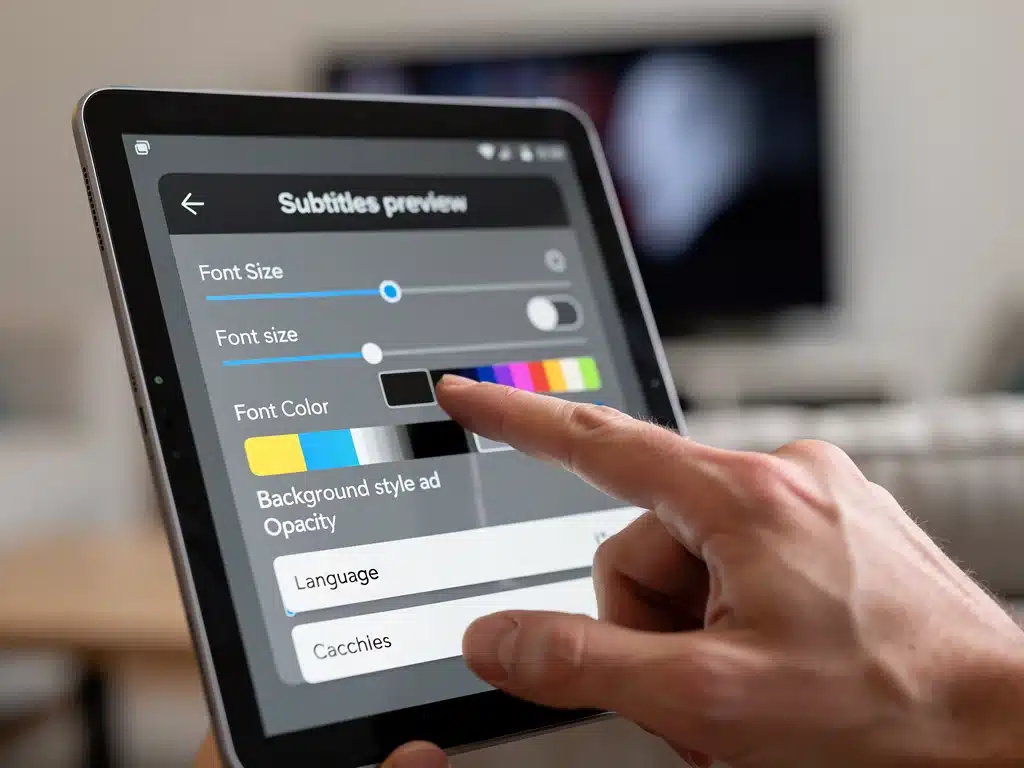
Beyond basic translation, 2026 sees a greater emphasis on standardization and accessibility. Subtitle options now often include features like customizable font sizes, colors, and background opacity, allowing viewers to tailor the visual presentation to their individual needs. This is particularly beneficial for viewers with visual impairments or those who prefer specific display settings.
The landscape of K-Drama subtitles in 2026 is a testament to technological advancement and a deep understanding of viewer needs. It ensures that language barriers are minimized, allowing the emotional depth and intricate plots of K-Dramas to shine through for US audiences.
Navigating platform-specific subtitle settings
Each major streaming platform offers its own distinct interface and set of subtitle customization options. While the core functionality remains similar, understanding the nuances of each platform can significantly enhance your K-Drama viewing experience. From Netflix to Viki, and even newer players, knowing where to find and how to manipulate these settings is key to mastering your subtitle preferences.
Platform-specific settings often go beyond simple language selection. They can include features such as font style and size, text color, background color, window color, and even character edge effects. These granular controls allow for a highly personalized viewing environment, making subtitles less intrusive and more integrated into the visual narrative. Experimenting with these settings can transform how you perceive and process the on-screen text.
Netflix: a comprehensive approach
Netflix, a dominant player in K-Drama distribution, offers robust subtitle customization. Users can access these settings through their account profile, allowing for global changes that apply across all devices. This centralized control provides consistency, ensuring your preferred subtitle style is always active.
- Global subtitle appearance settings in account profile.
- Multiple language options, including English, Spanish, and often others.
- Support for closed captions (CC) for the hearing impaired.
Viki: community-driven excellence
Viki stands out with its unique community-driven translation model, which often results in highly accurate and culturally sensitive subtitles. Beyond the community aspect, Viki also provides excellent customization options within its player. This platform is particularly favored by dedicated K-Drama fans for its comprehensive subtitle quality.
The ability to switch between different fan-translated versions or even contribute to translations adds a layer of depth not found on other platforms. This collaborative approach ensures that even niche K-Dramas receive high-quality subtitles, often with added cultural notes for better understanding.
Other platforms and their offerings
Amazon Prime Video, Hulu, and Apple TV+ also offer K-Dramas with subtitle options, though their customization might be less extensive than dedicated K-Drama platforms. It’s always advisable to check the specific settings within each app or website. As the K-Drama market expands, these platforms are continually upgrading their subtitle capabilities to remain competitive.
Understanding the distinct offerings of each platform empowers you to choose the best service not just for its content library, but also for its ability to deliver an optimal, personalized subtitle experience, making your K-Drama viewing truly enjoyable.
Optimizing subtitle display for comfort and comprehension
The way subtitles are displayed can significantly impact your viewing comfort and comprehension. Poorly configured subtitles can lead to eye strain, distraction, and a diminished enjoyment of the K-Drama. In 2026, optimizing these display settings is a crucial step for any US K-Drama viewer looking to enhance their experience. This involves more than just picking a language; it’s about creating an optimal visual environment.
Consider the interplay between the subtitle text, its background, and the on-screen action. A high-contrast combination ensures readability, while a thoughtfully chosen font size prevents constant squinting or excessive eye movement. The goal is to make the subtitles an aid, not an impediment, to your immersion.
Font choices and readability
The font used for subtitles plays a critical role in readability. While most platforms offer a default, some allow you to choose from a selection. Opt for clear, sans-serif fonts that are easy to read against various backgrounds. Avoid overly decorative or thin fonts that can be difficult to decipher, especially during fast-paced scenes or with busy visuals.
- Prioritize sans-serif fonts for clarity.
- Ensure adequate font size for comfortable reading from your viewing distance.
- Avoid fonts that are too thin or stylized.
Color, contrast, and background settings
Contrast is paramount for subtitle visibility. White or light-colored text on a dark or semi-transparent background is generally the most effective. Many platforms allow you to adjust the text color, background color, and background opacity. Experiment with these to find a combination that works best for your eyes and viewing environment.
A semi-transparent background can help the subtitles stand out without completely obscuring the visuals. If the K-Drama has a lot of bright scenes, a slightly darker background might be preferable. Conversely, for darker scenes, a lighter background might be necessary. The key is balance and adaptability.
Synchronization and timing adjustments
One of the most frustrating subtitle issues is poor synchronization. If subtitles appear too early or too late, it can disrupt your understanding and immersion. While most official streaming platforms have excellent synchronization, user-uploaded or community-driven subtitles might occasionally suffer from timing issues. Some advanced players or browser extensions offer options to manually adjust subtitle timing, which can be a lifesaver in such situations.
Optimizing these display settings ensures that your K-Drama viewing is a seamless and enjoyable experience, allowing you to focus on the story and performances without battling with hard-to-read or distracting text.
Leveraging advanced language and accessibility features
Beyond basic English subtitles, K-Drama streaming platforms in 2026 are increasingly offering advanced language and accessibility features designed to cater to a broader audience. These options go beyond simple translation, providing tools for language learners, viewers with hearing impairments, and those who prefer a more nuanced understanding of the original dialogue. Truly mastering your K-Drama subtitle options means exploring these advanced functionalities.
For US viewers, this opens up new avenues for engagement, whether it’s learning Korean, understanding cultural context, or simply enjoying the show without missing a single word due to auditory challenges. These features represent a significant step forward in making K-Dramas truly global and inclusive.
Dual language subtitles for learners
A burgeoning feature on some platforms is the option for dual language subtitles. This displays both the original Korean text (in Hangul) and the English translation simultaneously. This is an invaluable tool for K-Drama fans who are also learning Korean, allowing them to connect spoken words with written characters and their meanings.
- Facilitates Korean language learning through immersion.
- Helps in understanding pronunciation and sentence structure.
- Offers a deeper appreciation of the original script.
Closed captions (CC) vs. subtitles (SDH)
It’s important to distinguish between standard subtitles (SDH – Subtitles for the Deaf and Hard of Hearing) and closed captions (CC). While both provide text, CC includes descriptions of non-dialogue audio elements, such as ‘door creaks’ or ‘music intensifies.’ SDH is a broader category of subtitles intended for the hearing impaired, often encompassing both dialogue and sound effects, but can also refer to just dialogue in some contexts. Many platforms now offer dedicated SDH options for English and other languages, ensuring a complete experience for all viewers.
These detailed descriptions can significantly enhance the experience for individuals with hearing loss, ensuring they don’t miss crucial plot points conveyed through sound. For others, it can simply add another layer of immersion, especially when viewing in a noisy environment.
Interactive glossaries and cultural notes
Some platforms, particularly those specializing in East Asian content, are beginning to incorporate interactive glossaries and cultural notes directly into their subtitle systems. Clicking on certain words or phrases might bring up a brief explanation of a cultural concept, a historical reference, or even a definition of a Korean term that doesn’t have a direct English equivalent. This feature is a game-changer for cultural understanding and truly elevates the viewing experience.
These advanced features transform passive viewing into an active learning experience, bridging cultural gaps and allowing US viewers to appreciate K-Dramas on a much deeper level, moving beyond simple translation to true cultural comprehension.
Troubleshooting common subtitle issues
Even with the most advanced streaming technology, subtitle issues can occasionally arise, disrupting your K-Drama marathon. Knowing how to troubleshoot these common problems quickly can save you frustration and ensure a smooth viewing experience. From missing subtitles to synchronization errors, most issues have straightforward solutions that US K-Drama viewers can easily implement.
A systematic approach to troubleshooting not only fixes the immediate problem but also helps you understand the underlying causes, making you a more adept streamer. Don’t let a minor technical glitch detract from the emotional impact of your favorite K-Drama.
Missing or incorrect language subtitles
If you find that subtitles are missing entirely or are in the wrong language, the first step is to check the player’s subtitle menu. Ensure the correct language track is selected. Sometimes, the default setting might revert to a different language after an update or if you switch profiles. If the desired language isn’t available, it might be a content licensing issue or an error on the platform’s part.
- Verify selected language in the player settings.
- Check if the K-Drama officially supports your desired subtitle language.
- Clear browser cache or app data if settings aren’t saving.
Synchronization problems and delays
Synchronization issues, where subtitles don’t match the audio or video, are often due to network latency or a corrupted subtitle file. Try pausing and resuming the video, or refreshing the page/app. If the problem persists, checking your internet connection speed and stability is a good next step. For browser-based streaming, disabling browser extensions that might interfere with video playback can also help.
In rare cases, particularly with older content or user-uploaded videos, the subtitle file itself might be mis-timed. While streaming services generally ensure quality, community-driven platforms might occasionally have slight discrepancies. Reporting these issues to the platform can help improve the overall viewing experience for everyone.
Display and formatting errors
Issues like unreadable font, incorrect colors, or overlapping text usually stem from improper display settings or a bug in the player. Revisit the subtitle customization menu and reset the settings to default, then reapply your preferred choices. If viewing on a web browser, try a different browser or ensure your current browser is updated. For app-based viewing, clearing the app’s cache or reinstalling it can resolve persistent display glitches.
Remember, the goal is a seamless viewing experience. By understanding these common issues and their solutions, you can minimize interruptions and fully immerse yourself in the world of K-Dramas, ensuring your K-Drama subtitle options are always working for you.
Future trends in K-Drama subtitle technology (2026 and beyond)
The trajectory of K-Drama subtitle technology is moving towards even greater personalization, accuracy, and accessibility. As we look beyond 2026, several emerging trends promise to further revolutionize how US viewers interact with subtitles, making the viewing experience more intuitive and immersive than ever before. These innovations are driven by advancements in AI, user experience design, and a deeper understanding of linguistic and cultural nuances.
The future aims to dissolve the last vestiges of the language barrier, making K-Dramas universally accessible and enjoyable, regardless of the viewer’s native tongue or specific needs. This continuous evolution will solidify K-Dramas’ global standing.
AI-powered real-time translation and adaptation
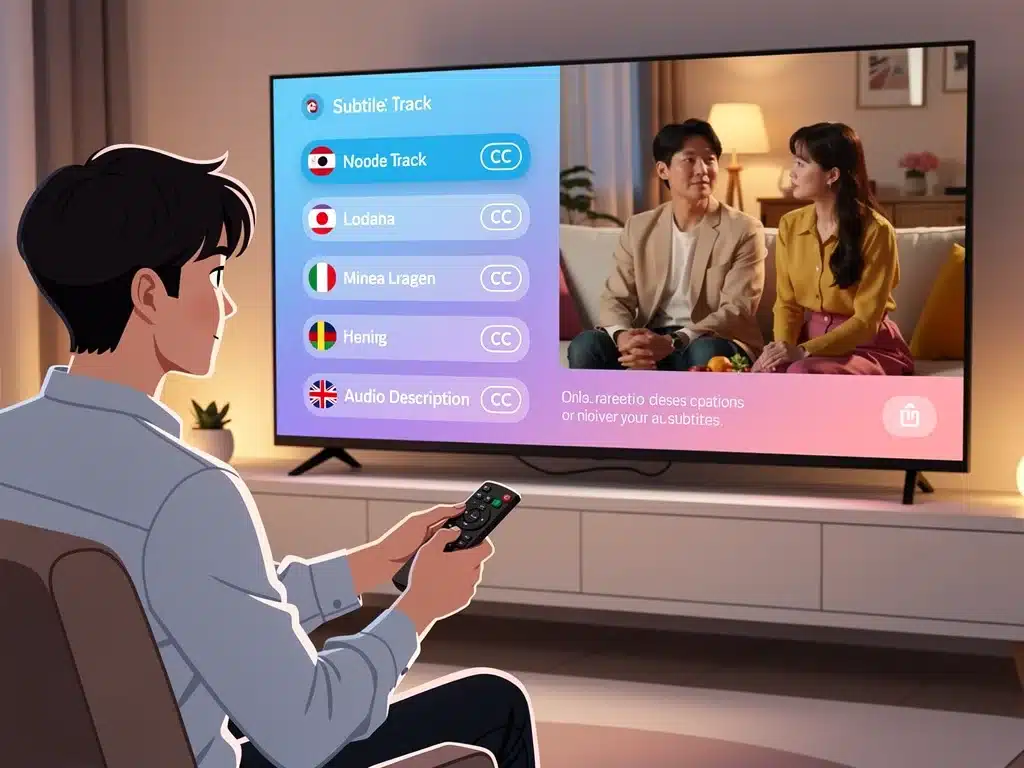
Real-time AI translation is poised to become more sophisticated, offering instant, highly accurate subtitles for live K-Drama broadcasts or very rapid releases. This technology will not only translate words but also adapt to regional dialects and cultural idioms, providing a more contextually rich experience. Imagine watching a K-Drama live as it airs in Korea, with perfectly synced and culturally appropriate subtitles appearing simultaneously.
- Instantaneous and highly accurate subtitle generation.
- Contextual adaptation for cultural nuances and idioms.
- Potential for personalized translation styles based on viewer preference.
Enhanced interactive subtitles
Building on current interactive glossaries, future subtitles might offer even deeper engagement. Viewers could highlight specific words or phrases to get instant definitions, cultural explanations, or even character background information. This would transform subtitles from a passive aid into an active learning and discovery tool, seamlessly integrated into the viewing experience.
This level of interactivity could also extend to character names and relationships, providing a quick reference for complex family trees or intricate social dynamics often found in K-Dramas. The goal is to provide all necessary information without ever leaving the viewing screen.
Personalized subtitle profiles and adaptive display
Streaming platforms are likely to introduce more advanced personalized subtitle profiles. Beyond basic font and color, these profiles could adapt subtitle display based on the viewer’s current environment (e.g., brighter text in a dark room, larger text on a smaller screen) or even their viewing history and learning goals. This adaptive display would dynamically adjust settings to optimize comfort and comprehension for each unique viewing session.
The future of K-Drama subtitles is bright, promising an era where linguistic barriers virtually disappear, and every US viewer can enjoy the rich world of Korean storytelling with unparalleled clarity and immersion, truly mastering their K-Drama subtitle options.
Maximizing your K-Drama experience with optimal subtitle settings
Achieving the ultimate K-Drama viewing experience for US audiences in 2026 goes beyond simply choosing a show; it profoundly involves personalizing your subtitle settings. The perfect subtitle configuration can transform a good viewing session into an exceptional one, allowing for complete immersion in the narrative without any visual or linguistic distractions. This optimization is a continuous process of adjustment and refinement, tailored to your individual preferences and viewing environment.
Think of your subtitle settings as a finely tuned instrument, capable of enhancing the symphony of emotions and stories that K-Dramas deliver. When everything is in harmony, the language barrier melts away, leaving only the pure artistry of the production.
Creating a personalized subtitle profile
Many platforms allow you to save multiple subtitle profiles. Take advantage of this feature to create profiles for different scenarios: one for casual viewing, one for language learning (if applicable), and perhaps one optimized for low-light conditions. Regularly review and update these profiles as your preferences or viewing habits evolve.
- Develop profiles for various viewing contexts (e.g., bright room, dark room).
- Experiment with font styles, sizes, and colors for optimal readability.
- Adjust background opacity to ensure text stands out without obscuring visuals.
Integrating accessibility tools
For viewers with specific accessibility needs, integrating platform-specific or device-level accessibility tools with K-Drama subtitle options is crucial. This might include using screen readers in conjunction with subtitles, or leveraging advanced audio descriptions that complement the visual information. Platforms are becoming more compatible with these external tools, creating a more inclusive environment.
Checking your device’s accessibility settings (e.g., iOS, Android, smart TV operating systems) can sometimes provide additional enhancements or overrides that work in tandem with streaming app settings, further personalizing your experience.
Staying informed about updates and new features
The world of streaming technology is dynamic. Platforms frequently release updates that introduce new subtitle features, improve existing ones, or address bugs. Regularly checking platform announcements, K-Drama fan forums, or tech blogs can keep you informed about the latest advancements. Being proactive ensures you’re always leveraging the best available K-Drama subtitle options.
By actively managing and optimizing your subtitle settings, US K-Drama viewers can unlock the full potential of their streaming experience, ensuring every moment of their favorite dramas is enjoyed with clarity, comfort, and complete understanding, making 2026 a prime year for K-Drama immersion.
| Key Aspect | Brief Description |
|---|---|
| Evolving Subtitle Quality | Improvements in AI and human translation ensure accurate, contextually rich K-Drama subtitles for US viewers. |
| Platform-Specific Settings | Each streaming service (Netflix, Viki, etc.) offers unique customization for font, color, and background. |
| Advanced Features | Dual language options, SDH, and cultural notes enhance learning and accessibility for viewers. |
| Future Trends | Expect real-time AI translation, interactive subtitles, and adaptive display profiles in coming years. |
Frequently asked questions about K-Drama subtitles
Subtitle delays can occur due to network latency, server issues, or sometimes an imprecise subtitle file, especially with community-translated content. Refreshing the stream or checking your internet connection often resolves these temporary synchronization problems, ensuring a smoother K-Drama viewing experience.
Most major streaming platforms, like Netflix and Viki, offer extensive customization options for subtitles, including font size, color, and background. However, the degree of customization can vary. Always check the specific settings within each platform’s player or account preferences to tailor your viewing.
Subtitles primarily translate dialogue. Closed captions (CC), often denoted as SDH (Subtitles for the Deaf and Hard of Hearing), include dialogue translation along with descriptions of non-dialogue audio elements, such as sound effects or musical cues, providing a more comprehensive experience for those with hearing impairments.
Yes, some platforms, particularly those catering to language learners, are starting to offer dual language subtitles. This feature displays both the original Korean text (Hangul) and the English translation simultaneously, which is an excellent tool for learning Korean while enjoying K-Dramas.
Most reputable streaming services provide a feedback or reporting mechanism within their app or website. Look for a ‘report a problem’ or ‘feedback’ option. Providing specific details about the issue, such as the episode and time stamp, helps platforms address and improve subtitle quality for all viewers.
Conclusion
As we navigate the dynamic landscape of K-Drama streaming in 2026, the importance of mastering subtitle options for US viewers cannot be overstated. From understanding the technological advancements in translation to meticulously customizing display settings and leveraging advanced accessibility features, every step contributes to an enriched and truly immersive viewing experience. The continuous evolution of subtitle technology promises an even more seamless future, ensuring that the captivating narratives and cultural richness of K-Dramas are accessible and enjoyable for everyone, free from linguistic barriers. By staying informed and proactive in managing your subtitle preferences, you can unlock the full potential of your K-Drama journey.
