Global Co-Productions: 10% Production Cost Savings for US Studios

Advertisements
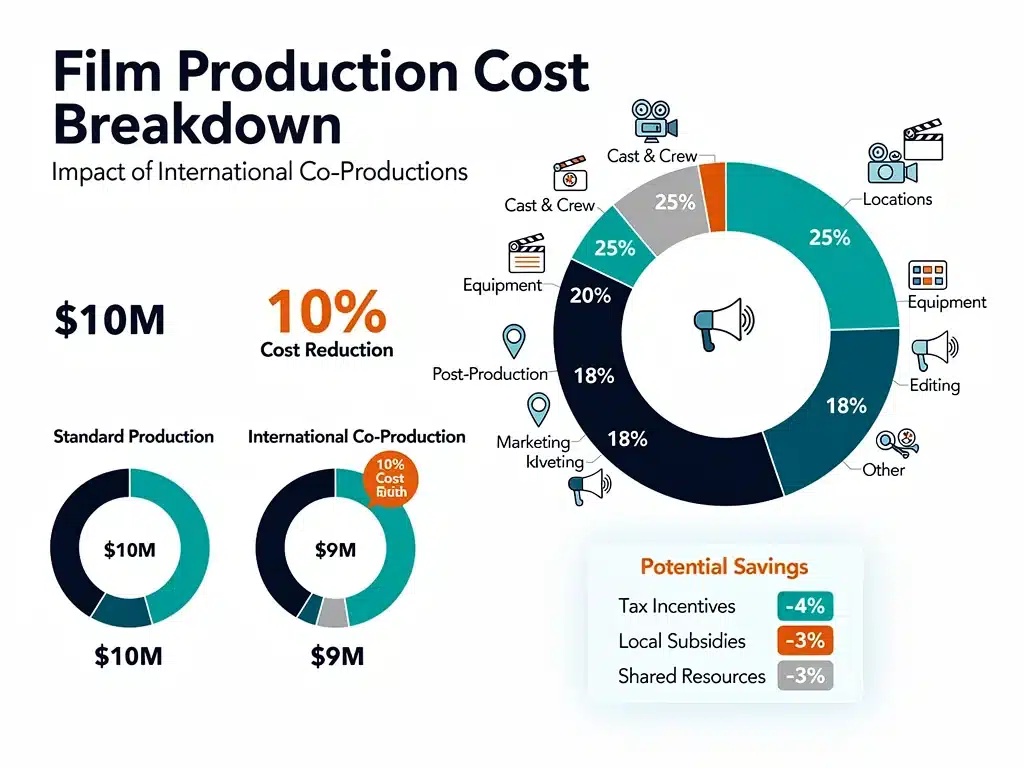
Global co-productions present a compelling financial strategy for US studios, enabling significant production cost reductions, often exceeding 10%, through international partnerships and optimized resource allocation.
The landscape of film and television production is continually evolving, driven by technological advancements, shifting audience demands, and economic pressures. In this dynamic environment, the financial impact of global co-productions has emerged as a crucial strategy, offering US studios a tangible opportunity to save upwards of 10% on production costs. This approach not only optimizes budgets but also opens doors to new markets and creative synergies.
Advertisements
Understanding the Mechanics of Global Co-Productions
Global co-productions involve the collaboration between production companies from two or more countries to create a single film, television series, or digital content. This collaborative model is not merely about sharing financial burdens; it encompasses a complex interplay of creative input, technical expertise, and logistical integration across borders. The primary allure for US studios lies in the potential for significant cost reductions, often stemming from incentives offered by partner countries and the ability to leverage diverse talent pools and infrastructure at competitive rates.
These partnerships are typically governed by bilateral co-production treaties, which provide a framework for these collaborations, ensuring that the resulting projects qualify for national incentives and benefits in each participating country. These treaties are designed to foster cultural exchange and economic cooperation, making them attractive propositions for studios looking to expand their global footprint while managing expenditures.
The Role of International Treaties and Incentives
International co-production treaties are the cornerstone of successful global collaborations. They define the legal and financial terms, ensuring that projects meet specific criteria to be recognized as official co-productions. This recognition is vital because it unlocks a cascade of benefits, including access to local subsidies, tax breaks, and public funding, which are often contingent on a project’s national status.
- Tax Incentives: Many countries offer generous tax credits or rebates for film and TV productions shot within their borders, especially for co-productions that involve local talent and resources.
- Subsidies and Grants: Government agencies and cultural funds frequently provide direct financial support to co-produced projects that align with their cultural and economic objectives.
- Local Content Quotas: Co-productions can help satisfy local content quotas in partner countries, providing guaranteed distribution and broadcast opportunities.
Navigating these diverse incentive programs requires expertise and careful planning, but the financial rewards can be substantial, directly contributing to the 10% or more in cost savings that US studios seek. The ability to offset a significant portion of production expenses through these mechanisms is a game-changer for budgeting and financial viability.
Creative and Resource Synergy
Beyond financial incentives, global co-productions offer invaluable creative and resource synergies. Partnering with international teams brings fresh perspectives, diverse storytelling traditions, and access to unique locations and talent. This creative cross-pollination can elevate the quality and global appeal of a project, resonating with broader audiences.
Furthermore, sharing resources means studios can tap into specialized technical expertise or production facilities that might be more cost-effective or uniquely suited for certain aspects of a project. This resource optimization contributes to overall efficiency and can lead to innovative production solutions that might not be feasible within a single market.
The complexity involved in coordinating multiple teams across different time zones and cultural contexts demands robust project management and clear communication. However, the benefits of shared resources and diverse creative input often outweigh these challenges, leading to a more enriched and globally relevant final product.
Strategic Cost Reduction Avenues for US Studios
For US studios, the pursuit of global co-productions is fundamentally driven by the desire to achieve significant cost efficiencies. The target of saving 10% on production costs is not arbitrary; it represents a tangible improvement in financial performance that can free up capital for future projects or increase profit margins on existing ones. This reduction is achieved through several strategic avenues, each contributing to a more economical production pipeline.
One of the primary drivers of cost savings is the ability to access lower labor costs in certain international markets. While US crews are highly skilled, the cost of labor, particularly for below-the-line positions, can be considerably higher than in many co-production partner countries. By strategically allocating parts of the production to locations with more competitive labor markets, studios can significantly reduce their overall personnel expenses.
Leveraging Location-Based Incentives and Exchange Rates
The strategic selection of filming locations is paramount in global co-productions. Many countries actively compete to attract international productions by offering compelling financial incentives, such as direct cash rebates, tax credits, or grants. These incentives can effectively reduce the out-of-pocket expenses for a studio by a substantial margin. For instance, a country might offer a 25% rebate on eligible local expenditures, meaning that for every dollar spent locally, the studio gets 25 cents back. This directly impacts the budget, driving down overall costs.
- Cash Rebates: Direct reimbursement of a percentage of qualifying expenditures incurred within the host country.
- Tax Credits: Reductions in the amount of tax owed, often transferable or refundable, making them highly attractive.
- Grants: Non-repayable funds provided by governments or cultural organizations to support production.
Furthermore, favorable exchange rates can dramatically amplify these savings. Producing in a country where the local currency is weaker against the US dollar means that the studio’s dollar goes further, effectively increasing purchasing power for local goods, services, and labor. This dual advantage of incentives and exchange rates can quickly lead to significant savings, often exceeding the 10% benchmark.
Optimizing Post-Production and VFX Costs
Another major area for cost optimization in global co-productions lies in post-production and visual effects (VFX). The digital nature of these processes makes them highly amenable to remote collaboration, allowing studios to tap into specialized talent and state-of-the-art facilities worldwide without requiring physical relocation of the entire team. Many countries have developed robust post-production and VFX industries that offer high-quality services at a fraction of the cost found in traditional production hubs.
By outsourcing or co-producing these elements, US studios can access a global pool of artists and technicians who can deliver exceptional results while adhering to tighter budgets. This not only reduces direct costs but also allows studios to allocate more resources to other critical phases of production, enhancing overall project quality. The ability to distribute workflows globally ensures that projects can maintain momentum around the clock, potentially accelerating timelines.
The strategic deployment of post-production and VFX work to international partners can be a significant contributor to the targeted 10% cost reduction. It requires careful vendor selection, clear communication protocols, and robust project management tools to ensure seamless integration and quality control, but the financial benefits are undeniable.
Navigating Challenges and Risks in Global Collaborations
While the allure of significant cost savings and creative enrichment is strong, global co-productions are not without their challenges. US studios must meticulously plan and execute these collaborations to mitigate risks and ensure that the projected financial impact of global co-productions remains positive. Understanding and addressing these potential pitfalls is crucial for success.
One of the most immediate challenges is navigating the complexities of international legal and regulatory frameworks. Each country has its own set of laws governing employment, intellectual property, taxation, and censorship. Studios must ensure full compliance with all relevant regulations in each jurisdiction, which can be a time-consuming and costly endeavor if not managed effectively. It’s essential to have experienced legal counsel familiar with international entertainment law.
Legal and Regulatory Complexities
The legal landscape of international co-productions is often intricate, requiring a deep understanding of multiple national laws and bilateral treaties. Issues such as intellectual property rights, profit sharing agreements, and liability can vary significantly from one country to another. Missteps in this area can lead to costly disputes, delays, and even the loss of rights to a project.
- Intellectual Property Rights: Clearly defining ownership and usage rights for all creative elements across all participating countries is critical.
- Contractual Agreements: Drafting comprehensive contracts that address all potential contingencies, including dispute resolution mechanisms, is vital.
- Employment Law: Compliance with labor laws, including wages, working conditions, and social benefits, in each production territory is mandatory.
Furthermore, regulatory bodies in different countries may have specific requirements for content, particularly concerning cultural sensitivities or national identity. Failure to adhere to these can result in delays in obtaining permits, rejection of content, or even financial penalties. Proactive engagement with local authorities and cultural advisors is key to navigating these complexities successfully.
Cultural and Communication Barriers
Beyond legal hurdles, cultural and communication barriers can pose significant challenges to the smooth execution of a global co-production. Different work cultures, communication styles, and linguistic differences can lead to misunderstandings, delays, and friction among teams. What might be considered standard practice in one country could be viewed differently in another.
Effective cross-cultural communication training and the establishment of clear, unambiguous communication protocols are essential. This includes having dedicated liaison personnel who are fluent in multiple languages and adept at mediating cultural differences. Building trust and mutual respect among all collaborators is paramount for a harmonious and productive working relationship.
Moreover, differences in creative sensibilities and storytelling approaches can sometimes lead to artistic disagreements. While diversity is a strength, it also requires a willingness to compromise and find common ground that respects the artistic integrity of all parties involved. This delicate balance is crucial for achieving a cohesive and impactful final product.
Case Studies: Successful Global Co-Production Models
Examining successful global co-production models provides valuable insights into how US studios can effectively achieve their financial objectives, particularly the goal of saving 10% or more on production costs. These case studies highlight diverse strategies and demonstrate the tangible benefits of international collaboration, showcasing how careful planning and strategic partnerships lead to both critical acclaim and economic efficiency.
One notable example is the co-production of major blockbuster films that leverage diverse international locations and talent. These projects often benefit from a combination of generous government incentives, access to unique filming sites, and the ability to tap into specialized technical expertise from various countries. The strategic distribution of production phases across different territories allows for optimized resource allocation and significant cost reductions.
European-US Collaborations: A Model for Efficiency
European countries, with their rich film heritage and robust incentive programs, have long been attractive partners for US studios. Collaborations with European partners often result in highly acclaimed projects that enjoy both commercial success and critical recognition. These partnerships frequently capitalize on Europe’s diverse architectural landscapes, historical sites, and highly skilled film crews, often at more competitive rates than in the US.
- Access to Creative Talent: European directors, cinematographers, and writers bring unique artistic visions and technical prowess.
- Strong Incentive Programs: Many European nations offer significant tax credits and rebates, reducing the financial burden on US studios.
- Cultural Exchange: Co-productions foster a blend of storytelling traditions, appealing to a wider global audience.
The intricate network of co-production treaties between the US and various European nations simplifies the legal and financial aspects of these collaborations, making them a preferred choice for studios seeking to maximize their budget efficiency. These partnerships not only cut costs but also enhance the global appeal and artistic depth of the projects.
Asian Markets: Tapping into Emerging Opportunities
The burgeoning film and television markets in Asia present another fertile ground for global co-productions. Countries like South Korea, China, and India offer unique storytelling opportunities, rapidly advancing production technologies, and a vast pool of highly skilled professionals. Collaborating with Asian partners allows US studios to access these resources and tap into massive, growing audiences.
While direct financial incentives might differ from those in Europe, the strategic advantage of gaining a foothold in these lucrative markets often outweighs the initial investment. Furthermore, the cost of labor and certain production services in many Asian countries can be significantly lower than in the US, contributing directly to the 10% cost savings target. These partnerships often lead to innovative content that resonates with both Eastern and Western audiences.
The rise of streaming platforms has further accelerated the interest in Asian co-productions, as platforms seek diverse content to cater to their global subscriber base. This demand creates new opportunities for US studios to collaborate with Asian partners on projects that might not traditionally fit into the Hollywood mold, expanding creative horizons while maintaining financial prudence.
Future Trends and the Evolving Landscape
The future of global co-productions is set to be even more dynamic, with emerging technologies and shifting market demands continually reshaping the landscape. For US studios, staying ahead of these trends is essential to consistently realize the financial impact of global co-productions, ensuring that the 10% cost savings not only remain achievable but potentially increase. The integration of virtual production, AI, and blockchain are poised to revolutionize how international collaborations are structured and executed.
Virtual production, employing technologies like LED walls and real-time rendering, allows for filming in virtual environments, significantly reducing the need for extensive location shoots and costly travel. This technology is inherently global, enabling teams from different continents to collaborate on a single virtual set, further streamlining operations and reducing logistical expenses. This also opens up possibilities for more sustainable production practices.
The Rise of Virtual Production and AI
Virtual production is rapidly transforming the filmmaking process, offering unprecedented control over environments and special effects. By creating digital sets and backdrops, studios can reduce reliance on physical locations, which often entail significant travel, accommodation, and logistical costs. This technology allows for greater flexibility and efficiency, enabling creative teams from different parts of the world to work together seamlessly on a shared virtual stage.
- Cost Reduction: Minimizes travel, physical set construction, and location permits.
- Global Collaboration: Enables teams to work on the same virtual set from anywhere in the world.
- Creative Flexibility: Offers unparalleled control over visual elements and rapid iteration of scenes.
Artificial intelligence (AI) is also set to play a transformative role. From script analysis and scheduling optimization to visual effects generation and audience targeting, AI tools can enhance efficiency and reduce human error, contributing to overall cost savings. AI-powered translation and communication tools can also help bridge linguistic barriers, making international collaborations smoother and more productive.
Blockchain for Transparency and Efficiency
Blockchain technology offers a promising solution for enhancing transparency and efficiency in global co-productions, particularly concerning financial transactions and rights management. The decentralized and immutable nature of blockchain ledgers can provide a secure and verifiable record of all financial contributions, profit shares, and intellectual property agreements, reducing the potential for disputes and fraud.

Smart contracts, built on blockchain, can automate the distribution of royalties and payments based on predefined conditions, ensuring that all parties receive their due compensation promptly and accurately. This level of transparency and automation can significantly reduce administrative overheads and improve trust among international partners, further contributing to the financial benefits of co-productions.
Moreover, blockchain can be used to track the provenance and ownership of digital assets, ensuring that intellectual property rights are protected across multiple jurisdictions. This is particularly relevant in a globalized production environment where assets are frequently shared and modified by various teams. The adoption of blockchain could revolutionize how international film financing and rights management are conducted, making co-productions even more attractive.
Maximizing Returns: Beyond Cost Savings
While saving 10% on production costs is a powerful incentive, the true value of global co-productions for US studios extends far beyond mere financial cuts. These collaborations offer a unique pathway to maximizing returns by expanding market reach, diversifying revenue streams, and enhancing the global appeal of content. The strategic engagement in international partnerships transforms a project from a domestic offering into a global phenomenon, unlocking new audiences and monetization opportunities.
A key aspect of maximizing returns is the inherent global appeal that co-produced content often possesses. By incorporating diverse cultural elements, storytelling traditions, and talent from multiple countries, projects can resonate with a broader international audience. This wider appeal translates directly into increased viewership, higher box office revenues, and stronger performance on global streaming platforms.
Expanded Market Access and Audience Reach
One of the most significant non-financial benefits of global co-productions is the immediate access they provide to new and established international markets. When a project is recognized as a co-production in a partner country, it often qualifies for local distribution support, preferential broadcast slots, and marketing assistance. This can significantly reduce the marketing burden on US studios and ensure wider exposure for their content.
- Local Distribution Networks: Access to established distribution channels in partner countries.
- Cultural Relevance: Content tailored to resonate with local audiences, increasing engagement.
- Brand Building: Enhances the studio’s reputation as a global player and innovator.
Furthermore, co-productions can help overcome cultural barriers that might otherwise limit the success of purely US-produced content in foreign markets. By integrating local perspectives and talent, projects become more relatable and authentic to international viewers, fostering stronger connections and building a loyal global audience base.
Diversifying Revenue Streams and IP Value
Global co-productions naturally lead to diversified revenue streams. Beyond traditional box office and broadcast revenues, these projects can generate income from international licensing deals, merchandising, and ancillary rights in multiple territories. The ability to leverage intellectual property (IP) across different markets significantly increases the overall value and monetization potential of a project.
Co-productions also enhance the long-term value of a studio’s IP portfolio. By creating content with global appeal, studios build a catalog that can be continually re-monetized through various platforms and geographical regions over time. This strategic approach to IP development ensures that the initial investment in a co-production yields sustained financial benefits and strengthens the studio’s position in the global entertainment market.
The shared ownership structure in co-productions can also spread the financial risk associated with content creation, making it a more attractive proposition for investors. This risk-sharing, combined with the potential for higher returns from expanded market access, makes global co-productions a robust strategy for sustainable growth and profitability in the competitive entertainment industry.
The Strategic Imperative of Global Partnerships
For US studios seeking to thrive in an increasingly interconnected world, engaging in global co-productions is no longer just an option but a strategic imperative. The multifaceted benefits, particularly the significant financial impact of global co-productions in saving 10% or more on production costs, make these collaborations an attractive proposition. However, realizing these benefits requires a sophisticated understanding of international markets, legal frameworks, and cultural dynamics.
The decision to pursue a global co-production involves a careful calculation of potential cost savings against the complexities of international collaboration. Studios must invest in robust legal counsel, cross-cultural training, and advanced project management tools to navigate these challenges effectively. The success stories from European and Asian partnerships underscore the viability and profitability of this model when executed correctly.
Building Sustainable International Relationships
The long-term success of global co-productions hinges on building and nurturing sustainable international relationships. These are not one-off transactions but rather ongoing partnerships that require trust, mutual respect, and a shared vision. Studios that prioritize relationship building are more likely to find reliable partners for future projects, creating a virtuous cycle of collaboration and success.
- Trust and Transparency: Essential for effective negotiation and problem-solving.
- Shared Vision: Aligns creative and financial goals among partners.
- Long-Term Commitment: Fosters a foundation for multiple successful projects.
Investing in cultural sensitivity training and fostering an environment of open communication can significantly strengthen these relationships. When partners feel valued and understood, they are more likely to contribute their best work, leading to higher quality productions and greater financial returns for all involved.
Adapting to a Globalized Production Environment
The entertainment industry is undeniably globalized, and US studios must adapt their production strategies accordingly. This involves moving beyond a purely domestic focus and embracing the opportunities that international collaborations present. The integration of advanced technologies like virtual production and AI will further facilitate this global shift, making cross-border projects more efficient and cost-effective.
Ultimately, the ability of US studios to leverage global co-productions to save 10% or more on production costs, while simultaneously expanding their market reach and enhancing creative output, will be a key determinant of their competitive advantage in the coming years. This strategic embrace of international partnerships is not just about financial prudence; it’s about shaping the future of global entertainment.
| Key Aspect | Brief Description |
|---|---|
| Cost Savings Target | US studios aim to save 10% or more on production costs through global co-productions. |
| Incentives & Treaties | International treaties and local incentives (tax breaks, subsidies) are key drivers of financial benefits. |
| Market Expansion | Co-productions provide access to new international markets and diverse audiences, increasing revenue potential. |
| Challenges | Navigating legal complexities, cultural differences, and communication barriers requires careful management. |
Frequently Asked Questions About Global Co-Productions
The primary financial benefits include significant cost savings, often 10% or more, derived from international tax incentives, subsidies, and lower labor costs in partner countries. These collaborations also open doors to new revenue streams from expanded global market access and diversified intellectual property value.
International treaties provide a legal framework that allows co-produced projects to qualify for national incentives in participating countries. This includes access to tax credits, cash rebates, and grants, which directly reduce the financial outlay for US studios, making productions more economically viable.
Challenges include navigating complex international legal and regulatory frameworks, managing cultural differences, and overcoming communication barriers. Effective project management, legal expertise, and cross-cultural training are essential to mitigate these risks and ensure smooth collaboration.
Yes, global co-productions can be highly beneficial for smaller independent US studios. They offer access to international funding, diverse talent, and expanded distribution networks that might otherwise be out of reach. This allows independent studios to produce projects with higher production values and broader appeal.
New technologies enhance efficiency and reduce costs. Virtual production minimizes location shooting and travel expenses, while AI tools optimize various stages from script to post-production. Blockchain can improve financial transparency and intellectual property management, making international collaborations more streamlined and secure.
Conclusion
The journey into global co-productions represents a significant strategic shift for US studios, offering a powerful avenue to achieve substantial financial efficiencies, notably the target of saving 10% or more on production costs. Beyond the immediate budgetary benefits, these collaborations foster creative innovation, expand market reach, and diversify revenue streams, positioning studios for sustained growth in a fiercely competitive global entertainment landscape. While challenges related to legal complexities and cultural differences persist, the evolving toolkit of international treaties, technological advancements, and a deeper understanding of cross-cultural dynamics continue to refine and strengthen the co-production model. Ultimately, embracing global partnerships is not just about optimizing budgets; it is about crafting content with universal appeal and securing a resilient, profitable future for the US entertainment industry.
