K-Pop & K-Drama Tourism: US Economic Impact 2026
Advertisements
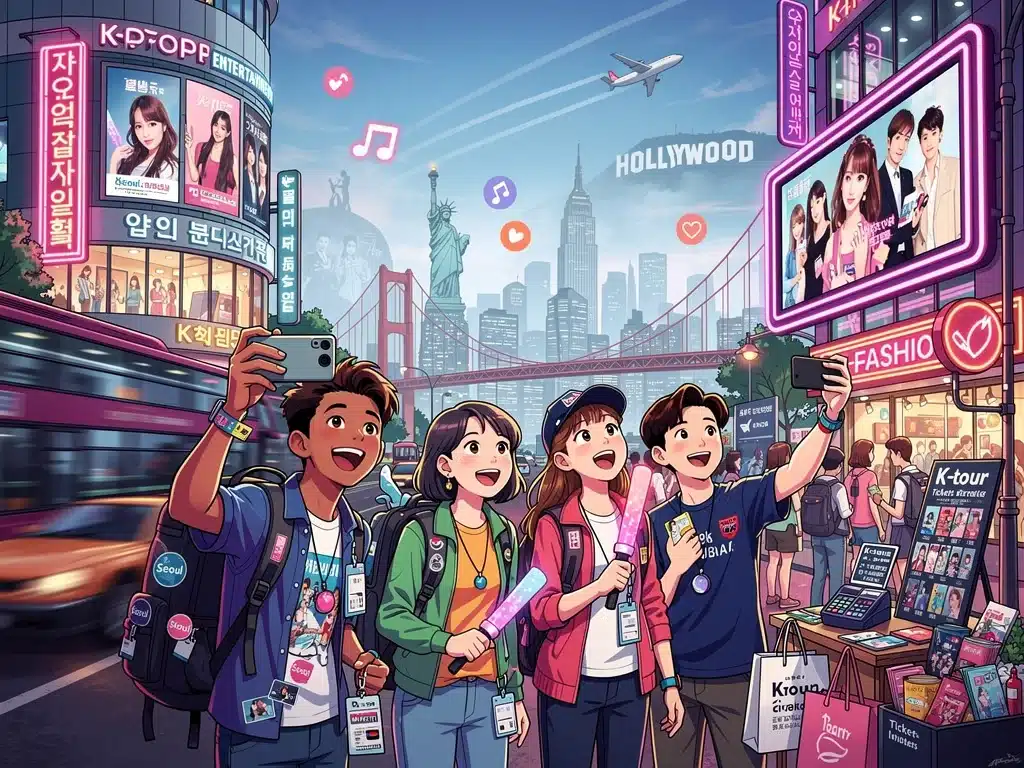
The economic impact of K-Pop and K-Drama tourism on US travel in 2026 is projected to be significant, driven by dedicated fan bases generating substantial revenue across hospitality, retail, and entertainment sectors.
Beyond the Screen: A Deep Look into the Economic Impact of K-Pop and K-Drama Tourism on US Travel in 2026 offers a compelling narrative on how global cultural phenomena are reshaping local economies. This article delves into the multifaceted ways in which the Hallyu wave is not just entertaining, but also driving significant financial contributions to the United States.
Advertisements
The rise of Hallyu and its global footprint
The Korean Wave, or Hallyu, has transcended its origins to become a global cultural powerhouse. What began as a regional phenomenon has, by 2026, solidified its position as a major influencer across entertainment, fashion, and even culinary landscapes worldwide. This expansion is not merely cultural; it carries substantial economic weight, particularly in the tourism sector.
The appeal of K-Pop and K-Drama extends far beyond their initial viewership. Fans are increasingly seeking immersive experiences that connect them directly to their beloved artists and narratives. This desire has fueled a unique form of cultural tourism, where fans travel considerable distances to attend concerts, visit filming locations, or participate in fan-centric events. The United States, with its diverse cultural hubs and extensive tourism infrastructure, has become a prime destination for such enthusiasts.
Understanding the fan economy
The fan economy is a critical component of Hallyu’s economic impact. It encompasses a wide array of expenditures from concert tickets and merchandise to travel, accommodation, and local spending. These dedicated fan bases represent a highly motivated demographic, willing to invest significantly in their passions.
- Concert Attendance: Major K-Pop tours regularly sell out arenas across the US, generating millions in ticket sales.
- Merchandise Sales: Official and unofficial merchandise, often exclusive to events, drives considerable retail activity.
- Fan Meet-and-Greets: Exclusive access events create premium experiences that fans eagerly pay for.
- Themed Experiences: Pop-up shops, cafes, and exhibitions capitalize on fan loyalty.
This section underscores the foundation of K-Pop and K-Drama tourism: a fervent and financially invested global fan base. Their collective enthusiasm translates directly into economic activity, making them a crucial demographic for the US travel industry to understand and cater to.
Direct economic contributions to US travel
The direct economic contributions of K-Pop K-Drama tourism to the US travel industry are multifaceted and increasingly significant. In 2026, these contributions are projected to include substantial revenue generation across various sectors, from aviation and hospitality to local retail and dining establishments. The influx of fans traveling for K-Pop concerts, K-Drama conventions, and related cultural events creates a ripple effect throughout the economy.
Airlines experience increased bookings for domestic and international flights, especially to major metropolitan areas that host large-scale events. Hotels, short-term rentals, and other accommodations see a surge in occupancy rates, often during periods that might otherwise be considered off-peak. This concentrated demand provides a significant boost to the hospitality sector, leading to increased employment and revenue.
Hospitality and accommodation boom
The demand for lodging during major K-Pop concert weekends or K-Drama fan conventions can be astronomical. Hotels in cities like Los Angeles, New York, and Chicago often report full occupancy, with average daily rates (ADRs) climbing significantly. This directly benefits hotel owners, staff, and local tax revenues.
- Increased Occupancy Rates: Hotels near concert venues and convention centers see peak demand.
- Higher Average Daily Rates: The willingness of fans to pay for prime locations drives up pricing.
- Growth in Short-Term Rentals: Platforms like Airbnb also benefit from the surge in visitors.
- Job Creation: Increased demand often leads to more temporary and permanent positions in hospitality.
Beyond accommodation, local businesses thrive from this concentrated tourism. Restaurants, cafes, and bars near event venues see a noticeable uptick in patronage. Transportation services, from ride-sharing to public transit, also benefit from the increased movement of tourists within cities. This direct spending forms the bedrock of the economic impact.
Indirect and induced economic effects
Beyond the immediate cash injections, K-Pop K-Drama tourism generates significant indirect and induced economic effects that extend far beyond the initial transactions. These secondary impacts contribute to a broader economic expansion, creating a more robust and interconnected system. Understanding these effects is crucial for a comprehensive assessment of Hallyu’s influence on the US economy in 2026.
Indirect effects stem from the supply chain of businesses catering to tourists. For instance, increased hotel bookings lead to greater demand for linen services, food suppliers, and maintenance companies. Similarly, a rise in restaurant patronage requires more produce, beverages, and staff, benefiting local distributors and labor markets. These interconnected demands create a multiplier effect, as money spent by tourists circulates through the local economy.
Multiplier effect in local economies
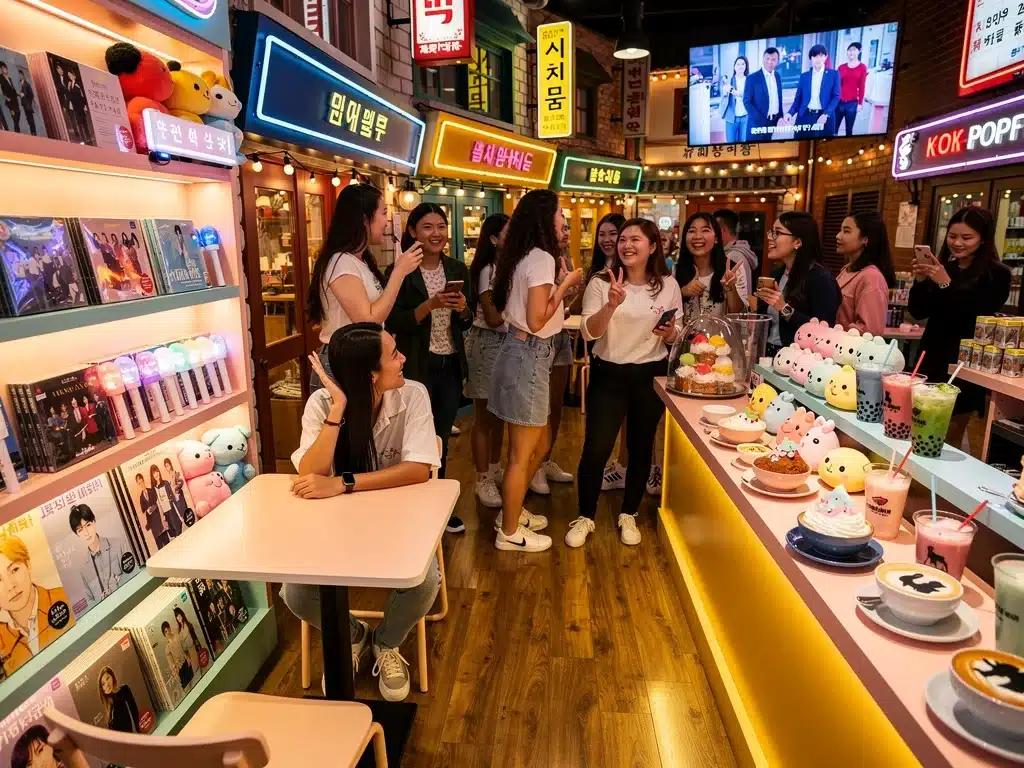
The multiplier effect describes how an initial injection of money into an economy leads to a larger overall increase in economic activity. When a K-Pop fan spends money on a hotel room, the hotel uses that money to pay its employees, purchase supplies, and cover operational costs. These recipients then spend their earnings, further stimulating the economy.
- Supplier Demand: Hotels and restaurants increase orders from local suppliers.
- Wage Spending: Employees in tourism-related sectors spend their wages on goods and services.
- Local Business Growth: Increased consumer spending supports various local enterprises.
- Tax Revenue: Higher economic activity translates to increased sales, property, and income taxes.
Induced effects occur when the increased income of employees in directly and indirectly affected sectors leads to even more consumer spending. As hotel staff, restaurant workers, and suppliers earn more, they spend more on housing, groceries, and leisure, further boosting economic activity. This cyclical flow of money strengthens the local and regional economies, demonstrating the profound reach of cultural tourism.
The role of digital platforms and social media
Digital platforms and social media are indispensable catalysts in driving K-Pop K-Drama tourism to the US. In 2026, these online spaces continue to be the primary avenues through which fans discover events, engage with content, and plan their travel. The instantaneous nature of social media allows for rapid dissemination of information regarding concert dates, fan gatherings, and exclusive experiences, effectively mobilizing fan bases across the nation and globally.
Platforms like Twitter, Instagram, TikTok, and YouTube serve as central hubs for fan communities. Artists and entertainment companies leverage these platforms to announce tours, release promotional content, and interact with fans, thereby generating immense excitement and anticipation. This digital engagement often translates directly into real-world travel, as fans are motivated to participate in events they see unfolding online.
Fan communities and mobilization
Online fan communities play a crucial role in organizing and promoting travel for K-Pop and K-Drama events. These communities often coordinate group travel, share tips on accommodations and local attractions, and even organize unofficial fan events around major concerts or conventions. This collective action significantly lowers barriers to entry for new fans considering travel.
- Event Discovery: Social media is the primary source for tour announcements and event details.
- Community Building: Online groups facilitate shared travel planning and experiences.
- Content Sharing: User-generated content from events inspires others to attend future ones.
- Real-time Updates: Fans rely on platforms for live updates during events and travel.
The visual nature of platforms like Instagram and TikTok is particularly effective. Short-form videos and aesthetically pleasing photos from concerts and fan events create powerful aspirational content, encouraging others to seek similar experiences. This continuous cycle of digital engagement fueling physical travel underscores the symbiotic relationship between online presence and economic impact within the Hallyu phenomenon.
Challenges and opportunities for sustainable growth
While the economic benefits of K-Pop K-Drama tourism are clear, the sector also presents unique challenges and opportunities for sustainable growth in the US by 2026. Managing the rapid influx of tourists, ensuring equitable benefits for local communities, and maintaining the quality of fan experiences are critical considerations. Addressing these aspects will be vital for long-term success and continued economic prosperity.
One significant challenge is the potential strain on local infrastructure and resources, particularly in smaller cities that might host large-scale events for the first time. This includes transportation, waste management, and public safety. Additionally, the highly competitive nature of the entertainment industry means that fan interest can shift, requiring continuous innovation and adaptation from tourism stakeholders.
Strategic planning for future events
To maximize the positive impact and mitigate potential downsides, strategic planning is essential. This involves collaboration between local governments, tourism boards, event organizers, and community leaders. Proactive measures can ensure that events are well-managed, environmentally responsible, and beneficial for all involved.
- Infrastructure Development: Investing in public transport and venue upgrades.
- Community Engagement: Ensuring local businesses and residents benefit from tourism.
- Diversification of Offerings: Creating a broader range of K-culture experiences beyond concerts.
- Environmental Stewardship: Implementing sustainable practices for large gatherings.
Opportunities for growth lie in diversifying the types of K-culture experiences offered in the US. This could include permanent K-Drama themed attractions, Korean cultural centers, and educational programs that delve deeper into Korean history and arts. By creating varied and authentic experiences, the US can solidify its position as a leading destination for Hallyu enthusiasts, fostering sustainable economic growth and cultural exchange.
Future outlook: K-Pop and K-Drama’s lasting legacy
The future outlook for K-Pop K-Drama tourism in the US by 2026 and beyond appears exceptionally promising, pointing towards a lasting cultural and economic legacy. The Hallyu wave is not a fleeting trend but a deeply embedded cultural phenomenon that continues to evolve and expand its global reach. Its sustained popularity ensures a continued flow of dedicated fans willing to travel and spend, making it a significant and stable contributor to the US economy.
Investment in K-Pop and K-Drama related infrastructure and events is likely to increase, driven by proven returns and growing fan demand. This includes the development of more sophisticated concert venues, specialized cultural centers, and digital platforms designed to enhance the fan experience. The integration of Korean culture into American mainstream media will also likely deepen, further solidifying its presence.
Emerging trends and innovations
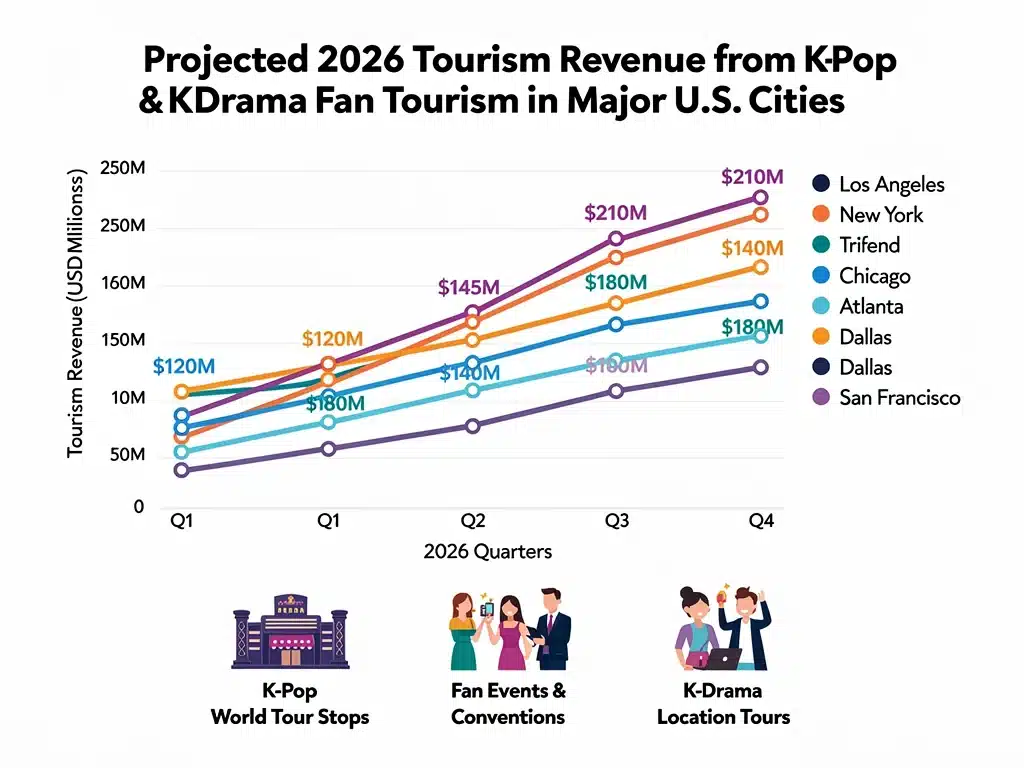
Several emerging trends will shape the future of this specialized tourism. Hybrid events combining in-person and virtual experiences could become more common, broadening accessibility. The use of augmented reality (AR) and virtual reality (VR) to create immersive fan experiences, even for those who cannot travel, may also grow, potentially inspiring future physical visits.
- Virtual/Hybrid Events: Blending online and offline experiences for wider reach.
- Technological Integration: AR/VR for enhanced fan engagement and tourism promotion.
- Increased Cultural Exchange Programs: Fostering deeper understanding and appreciation.
- Specialized Travel Packages: Curated tours focusing on specific K-Pop groups or K-Dramas.
Ultimately, the lasting legacy of K-Pop and K-Drama tourism will not only be measured in economic terms but also in the profound cultural exchange it fosters. It builds bridges between nations, encourages language learning, and promotes a deeper appreciation for diverse cultures. This cultural diplomacy, underpinned by significant economic activity, ensures that Hallyu’s impact on the US will remain substantial and enduring for years to come.
| Key Impact Area | Brief Description |
|---|---|
| Direct Revenue Generation | Significant income from concert tickets, merchandise, and event-related spending. |
| Hospitality Boost | Increased hotel occupancy, short-term rental demand, and food & beverage sales. |
| Multiplier Effect | Indirect and induced economic activity through supply chains and wage spending. |
| Cultural Exchange | Promotes cross-cultural understanding and strengthens international ties. |
Frequently asked questions
K-Pop and K-Drama tourism refers to travel undertaken by fans to attend concerts, fan meetings, conventions, filming locations, or other events related to Korean popular music and television dramas. It’s driven by a desire for immersive cultural experiences and direct engagement with Hallyu.
It significantly impacts the US economy by generating direct revenue from ticket sales, merchandise, and local spending on accommodation, food, and transport. Indirectly, it boosts supply chains and creates jobs through a powerful multiplier effect in local communities.
Major metropolitan areas with large event venues and diverse populations, such as Los Angeles, New York City, Chicago, and Dallas, tend to benefit the most. These cities often host major K-Pop concert tours and K-Drama fan conventions, attracting large numbers of tourists.
Future trends include the growth of hybrid virtual/in-person events, increased integration of AR/VR for fan experiences, and the development of specialized cultural tours. There’s also a rising demand for more diverse K-culture attractions beyond just concerts and dramas.
Yes, with strategic planning and adaptation, it is sustainable. Continuous innovation, community engagement, and diversification of experiences are key. Proactive measures to manage infrastructure and environmental impact will ensure its lasting positive influence on the US economy and cultural landscape.
Conclusion
The economic impact of K-Pop and K-Drama tourism on US travel in 2026 is not merely a passing trend but a substantial and growing force. From direct revenue generation in hospitality and entertainment to the far-reaching indirect and induced effects on local economies, the Hallyu wave continues to prove its financial might. As fan engagement deepens and cultural exchange expands, the United States stands to gain significantly from this vibrant sector. By understanding and strategically nurturing this unique form of tourism, the US can ensure sustained economic benefits and foster stronger cultural ties for years to come.
