Subtitles to Dubbing: 2026 Dorama Localization Trends for US Viewers
Advertisements
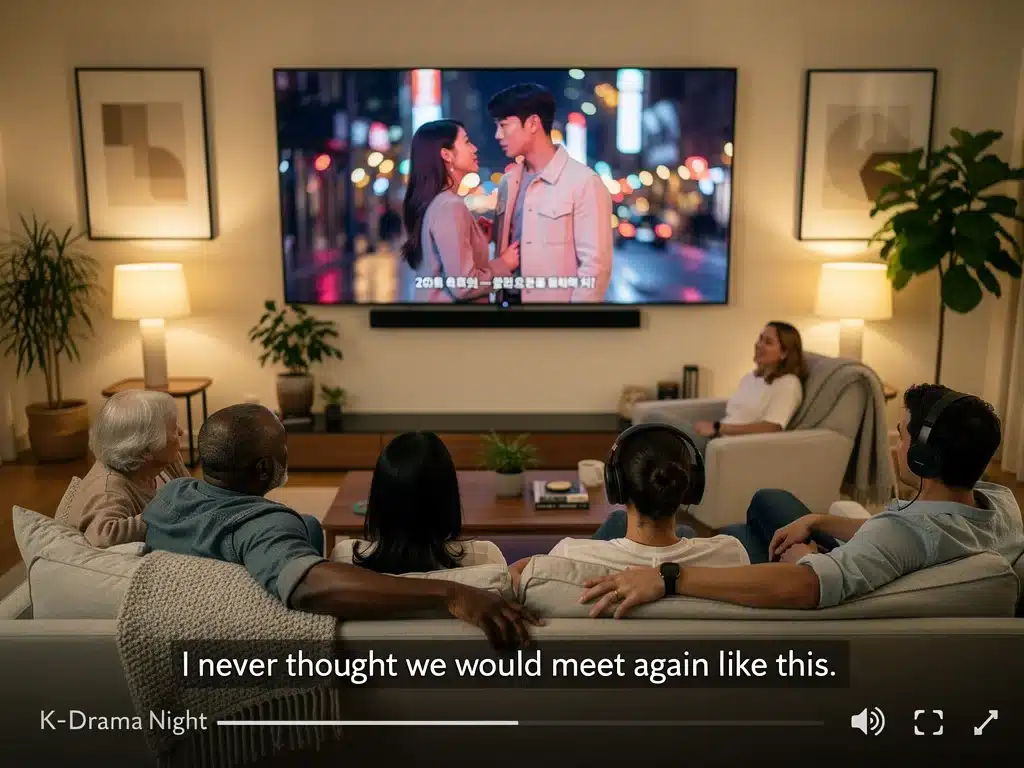
In 2026, the localization of doramas for US viewers is undergoing a significant transformation, with a notable shift from traditional subtitle reliance towards an increasing demand for high-quality dubbing, driven by evolving audience preferences and technological advancements.
The landscape of content consumption is ever-evolving, and nowhere is this more apparent than in the meteoric rise of Asian dramas, affectionately known as doramas, among US audiences. What began as a niche interest, largely sustained by dedicated fans navigating subtitles, has blossomed into a mainstream phenomenon. This article delves into From Subtitles to Dubbing: A 2026 Deep Analysis of Language Localization Trends in Doramas for US Viewers, exploring the dynamic shifts from traditional subtitling to the increasing prevalence of high-quality dubbing, and what these changes mean for both producers and consumers in 2026.
Advertisements
The historical dominance of subtitles in dorama consumption
For many years, subtitles were the undisputed champions of dorama localization for US viewers. They offered a direct, unfiltered connection to the original performances, allowing audiences to fully immerse themselves in the nuances of the actors’ delivery and the authentic soundscape of the production. This method fostered a strong sense of cultural authenticity and was often preferred by purists who believed that dubbing detracted from the original artistic intent.
The initial proliferation of doramas in the US was heavily reliant on fan-driven subtitling efforts, which quickly evolved into official, professionally translated subtitles provided by streaming platforms. This accessibility opened doors for millions, allowing them to discover the rich storytelling, diverse genres, and compelling characters that doramas offer. The experience of reading subtitles while watching became a familiar and accepted part of the dorama viewing ritual for a significant portion of the audience.
Fan communities and early adoption
- Grassroots Movements: Early dorama exposure in the US was largely fueled by passionate fan communities who volunteered their time to translate and subtitle shows, sharing them across online forums and dedicated websites.
- Cultural Immersion: Subtitles provided a direct window into the original language and cultural context, which was highly valued by viewers seeking an authentic experience.
- Cost-Effectiveness: For distributors, subtitling was a significantly more cost-effective localization method compared to dubbing, especially for a burgeoning market with uncertain returns.
These factors cemented subtitles as the primary gateway for US audiences into the world of doramas. The viewing experience, though requiring more active engagement, was often seen as a badge of honor, signifying a deeper appreciation for the foreign content.
However, as the dorama market expanded and attracted a broader, more casual audience, the limitations of subtitles began to surface. While beloved by many, the constant need to read could be a barrier for others, particularly those who prefer a more passive viewing experience or have visual impairments. This evolving audience demographic set the stage for the gradual, yet undeniable, shift towards dubbing as a viable and increasingly preferred localization option.
The rise of dubbing: catering to a broader audience
The past few years have witnessed a significant surge in the availability and quality of dubbed doramas, signaling a strategic pivot by streaming giants and content distributors. This shift is not merely a trend; it represents a calculated effort to expand the dorama audience beyond the dedicated subtitle-savvy demographic and tap into a larger market that prioritizes convenience and accessibility. The underlying philosophy is simple: remove the reading barrier, and more people will watch.
Dubbing offers a more seamless viewing experience, allowing audiences to fully focus on the visual narrative without the distraction of reading text at the bottom of the screen. This is particularly appealing for casual viewers, families watching together, or those who simply prefer to multitask while consuming content. The investment in high-quality voice acting has also played a crucial role, as early dubbing efforts were often criticized for their lack of emotional depth or synchronization.
Factors driving dubbing’s growth
- Increased Accessibility: Dubbing removes the need to read, making doramas more accessible to a wider audience, including children, individuals with reading difficulties, or those who prefer to watch passively.
- Enhanced Immersion: For many, hearing dialogue in their native language allows for a more immediate and less effortful immersion into the story and characters.
- Technological Advancements: Improvements in AI voice synthesis and sophisticated audio post-production techniques have significantly elevated the quality and naturalness of dubbed tracks, reducing the uncanny valley effect.
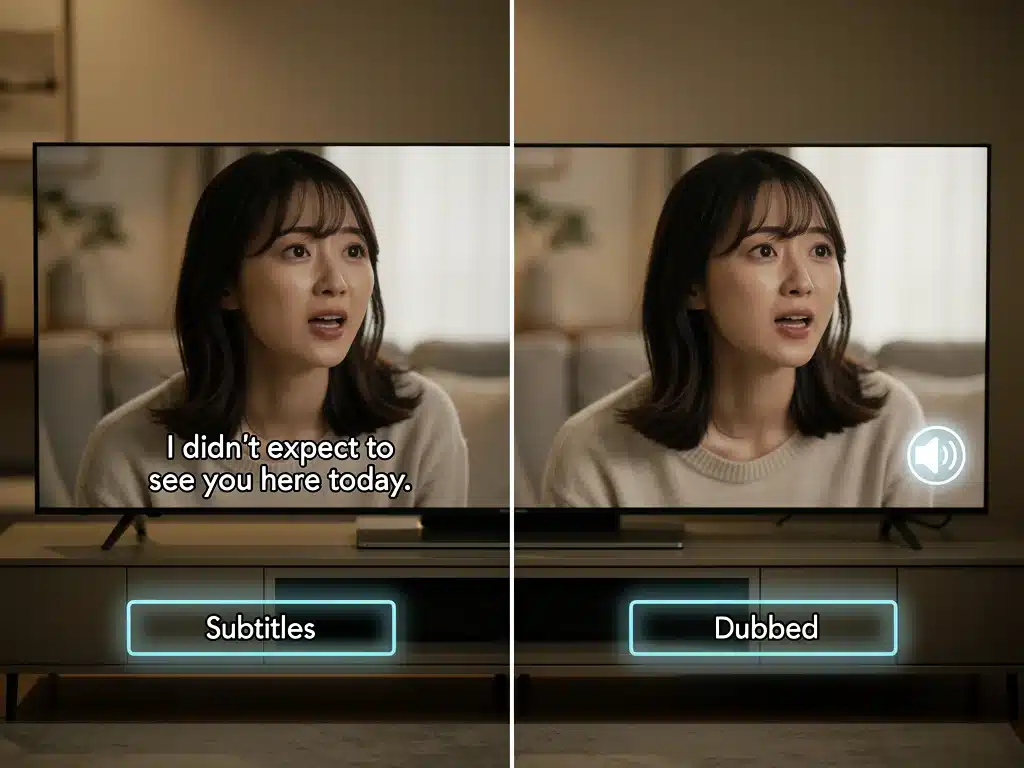

Major streaming platforms have invested heavily in dubbing studios and talent, recognizing the potential for increased viewership and subscriber retention. This commitment has led to a noticeable improvement in the overall quality of dubbed content, making it a much more attractive option than in previous years. The goal is no longer just to translate words, but to translate emotion, cultural nuances, and the very essence of the original performance.
The growth of dubbing is also indicative of the mainstreaming of doramas. As these shows gain wider acceptance and appeal, the demand for content that fits comfortably into existing viewing habits, similar to Western television series, naturally increases. This evolution signifies a maturation of the dorama market in the US, moving from a niche interest to a significant player in the global entertainment landscape, with localization strategies adapting to meet this new reality.
The 2026 landscape: a hybrid approach to localization
As we navigate into 2026, the localization landscape for doramas in the US is characterized by a sophisticated hybrid approach, moving beyond a simple either/or choice between subtitles and dubbing. Content providers are increasingly recognizing the diverse preferences of their audience and are striving to offer both options, often with parallel levels of quality. This strategy aims to maximize reach and viewer satisfaction, acknowledging that no single method universally caters to all viewers.
The evolution towards a hybrid model reflects a deeper understanding of audience segmentation. While some viewers will always prefer the authenticity of original audio with subtitles, a growing segment appreciates the convenience and accessibility that high-quality dubbing provides. Platforms are now investing in robust localization pipelines that can efficiently produce both, often simultaneously, ensuring that content is ready for a global audience upon release.
Key aspects of the hybrid model
- Viewer Choice: Offering both high-quality subtitled and dubbed versions empowers viewers to choose their preferred consumption method, enhancing user experience and satisfaction.
- Simultaneous Release: The trend is towards releasing both localized versions concurrently with the original broadcast, reducing delays and capitalizing on global hype.
- Cultural Sensitivity: Localization teams are becoming more adept at navigating cultural nuances in both subtitles and dubbing, ensuring that the essence of the dorama is preserved while being culturally resonant for US audiences.
The technological infrastructure supporting this hybrid model has also advanced considerably. Automated translation tools, AI-powered voice synchronization, and sophisticated project management platforms are streamlining the localization process, making it more efficient and cost-effective to produce multiple versions of a single dorama. This technological leap is crucial for meeting the ever-increasing demand for localized content at speed.
Furthermore, the data collected by streaming platforms provides invaluable insights into viewer preferences, guiding future localization investments. Analytics on which version viewers choose, completion rates, and re-watch habits inform strategic decisions, ensuring resources are allocated effectively to meet audience needs. This data-driven approach is a hallmark of the 2026 localization strategy, making it more responsive and agile than ever before.
Technological advancements shaping dorama localization
The rapid pace of technological innovation is arguably the most significant catalyst behind the evolving dorama localization trends. In 2026, we are seeing sophisticated tools and platforms that were once the stuff of science fiction becoming integral to the localization workflow. These advancements are not only improving efficiency but also elevating the quality and cultural fidelity of both subtitles and dubbing, making doramas more immersive and accessible than ever for US audiences.
Artificial intelligence, in particular, has emerged as a game-changer. AI-powered translation engines are more accurate and context-aware than ever, drastically reducing the time and effort required for initial subtitle drafts. Similarly, AI voice synthesis and voice cloning technologies are beginning to bridge the gap between human and artificial voices, offering promising avenues for scalable and cost-effective dubbing solutions, especially for background characters or less critical dialogue.
Innovations in localization technology
- AI-Powered Translation: Advanced neural machine translation (NMT) systems provide highly accurate and contextually relevant subtitle translations, requiring less human post-editing.
- Voice Synthesis and Cloning: AI can now generate natural-sounding voices and even mimic specific vocal characteristics, opening new possibilities for efficient dubbing.
- Automated Lip-Synchronization: Tools that automatically adjust dubbed audio to match on-screen lip movements significantly improve the visual and auditory coherence of dubbed content.
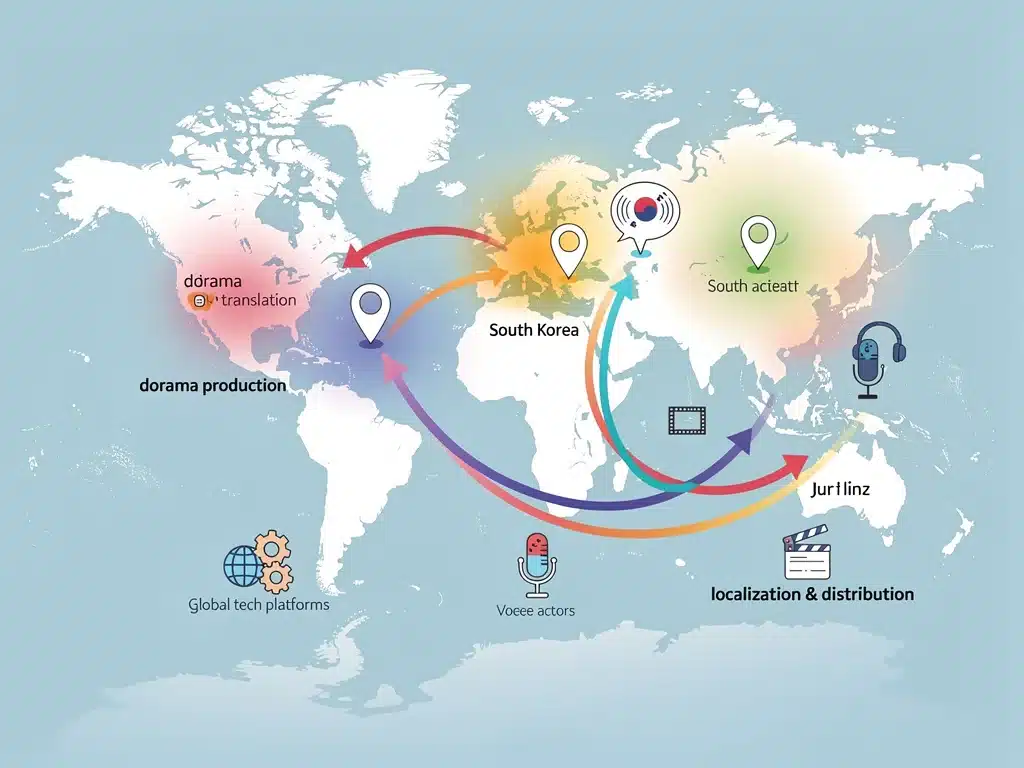

Beyond AI, cloud-based collaboration platforms have revolutionized how localization teams work. Translators, voice actors, audio engineers, and quality control specialists can now work seamlessly across geographical boundaries, ensuring a more integrated and efficient production pipeline. This global collaboration is essential for handling the sheer volume of dorama content being produced and distributed worldwide.
Furthermore, data analytics and machine learning are being utilized to analyze viewer feedback and preferences, providing actionable insights for localization teams. This data-driven approach helps to refine translation glossaries, identify preferred voice talents, and optimize the overall localization strategy. The integration of technology throughout the entire localization lifecycle is making the process faster, more accurate, and ultimately, more responsive to the needs of the diverse US dorama audience.
The impact on US viewership and cultural exchange
The evolving localization trends, particularly the rise of high-quality dubbing alongside subtitles, have profoundly impacted dorama viewership in the US and significantly bolstered cultural exchange. By making doramas more accessible and appealing to a broader audience, these localization efforts have transformed what was once a niche interest into a powerful conduit for understanding and appreciating diverse cultures. The barrier to entry has lowered, inviting new viewers to explore narratives from across Asia.
The increased accessibility has led to a surge in dorama consumption, with streaming platforms reporting record numbers of viewers for popular titles. This expanded audience includes not only long-time fans but also casual viewers who might not have previously engaged with foreign-language content. The exposure to different storytelling conventions, social norms, and artistic expressions inherently promotes a deeper cultural understanding and breaks down preconceived notions.
Positive outcomes of enhanced localization
- Increased Viewer Base: Dubbing has attracted new demographics, including those less inclined to read subtitles, significantly expanding dorama’s reach in the US.
- Normalized Foreign Content: High-quality localization helps normalize foreign-language content, making it less intimidating and more mainstream for general audiences.
- Enhanced Cultural Appreciation: Greater accessibility leads to more exposure, fostering a deeper understanding and appreciation of Asian cultures, traditions, and societal perspectives.
Moreover, the dialogue around localization itself contributes to cultural exchange. Discussions about translation choices, voice acting performances, and the preservation of cultural nuances highlight the complexities and richness of cross-cultural communication. This engagement encourages viewers to think critically about how stories are told and understood across different linguistic and cultural contexts.
The success of localized doramas has also created a feedback loop, encouraging more content creators in Asia to produce high-quality shows, knowing they have a receptive and growing international audience. This symbiotic relationship between production and localization is enriching the global entertainment landscape, with US viewers benefiting from an ever-expanding library of diverse and captivating stories. The impact extends beyond mere entertainment, fostering global empathy and connection through shared narrative experiences.
Challenges and ethical considerations in localization
Despite the remarkable advancements and benefits, the journey from subtitles to dubbing in dorama localization for US viewers is not without its challenges and ethical considerations. The pursuit of accessibility and broader appeal must be carefully balanced with the imperative to preserve the artistic integrity and cultural authenticity of the original work. These complexities require thoughtful navigation from localization professionals and content creators alike.
One significant challenge lies in maintaining the nuance and emotional depth of performances when translating and re-voicing dialogue. Subtitles, while requiring active reading, offer a direct translation of the original script, allowing viewers to hear the actors’ genuine intonation and delivery. Dubbing, by its very nature, introduces a new interpretative layer, and finding voice actors who can match the original performance’s emotional resonance and comedic timing is a constant struggle.
Key challenges and ethical dilemmas
- Preserving Original Intent: Ensuring that translations and voice acting accurately convey the original script’s meaning, tone, and cultural context without dilution or misinterpretation.
- Cultural Appropriation vs. Appreciation: Navigating the fine line between respectfully adapting content for a new audience and inadvertently erasing or misrepresenting cultural elements.
- Voice Talent Diversity: The ethical responsibility to cast diverse voice actors who can authentically represent the characters and avoid perpetuating stereotypes.
Another ethical concern revolves around cultural adaptation. While some level of adaptation is often necessary for content to resonate with a new audience, excessive changes can lead to the loss of original cultural context or, in extreme cases, cultural appropriation. Localization teams face the delicate task of making content relatable without stripping it of its unique cultural identity. This requires a deep understanding of both the source and target cultures.
Furthermore, the increasing reliance on AI in localization raises questions about job displacement for human translators and voice actors, as well as the potential for AI to introduce subtle biases or errors that could impact cultural representation. Ensuring that technology serves as an enhancement rather than a replacement for human expertise, especially in creative fields, remains a crucial ethical consideration. The balance between efficiency, quality, and ethical responsibility is a continuous tightrope walk in the evolving world of dorama localization.
The future trajectory: personalized experiences and interactive localization
Looking ahead to the mid-2020s and beyond, the future trajectory of dorama localization for US viewers points towards increasingly personalized experiences and interactive localization methods. The era of one-size-fits-all content is rapidly fading, replaced by a demand for tailored viewing options that cater to individual preferences, learning styles, and accessibility needs. This evolution will be driven by continued technological innovation and a deeper understanding of audience psychology.
Imagine a future where viewers can not only choose between subtitles and dubbing but also select different subtitle styles, font sizes, or even personalized translation glossaries. Interactive localization could allow for on-demand cultural notes or explanations of specific cultural references directly within the viewing interface, enriching the cultural exchange without interrupting the flow of the narrative. This level of customization would transform passive viewing into an active, educational, and deeply engaging experience.
Emerging trends in localization
- Hyper-Personalization: Offering granular control over subtitle appearance, translation styles (e.g., literal vs. adaptive), and even voice options within dubbed tracks.
- Interactive Content Features: Integrating pop-up cultural explanations, character glossaries, or historical context directly into the streaming interface, accessible on demand.
- Adaptive Localization: AI systems that learn individual viewer preferences and automatically adjust localization settings to provide the most satisfying experience.
The integration of virtual and augmented reality (VR/AR) could also play a role, offering immersive viewing environments where localization elements are seamlessly integrated into the 3D space. For instance, subtitles could appear as subtle holographic projections, or dubbed voices could spatially align with characters in a VR setting, enhancing the sense of presence and immersion. While still nascent, these technologies hold immense potential for the future of localized entertainment.
Ultimately, the goal is to create a localization experience that is not only accessible but also deeply respectful of both the original content and the diverse audience consuming it. The future of dorama localization will be characterized by a continuous dialogue between technology and human creativity, striving to deliver content that transcends linguistic and cultural barriers, fostering a truly global appreciation for these captivating stories.
| Key Aspect | Description |
|---|---|
| Subtitle Dominance Shift | Initial primary method, now shares prominence with dubbing due to evolving audience demands. |
| Rise of Quality Dubbing | Increasing investment in high-quality voice acting and technology for broader audience appeal. |
| Hybrid Localization Model | Platforms offer both subtitles and dubbing, providing viewer choice and maximizing reach. |
| Technological Integration | AI, machine learning, and cloud tools enhance efficiency and quality of localization processes. |
Frequently asked questions about dorama localization
The increased popularity of dubbed doramas in the US is largely due to enhanced accessibility and convenience. Dubbing removes the reading barrier, allowing a broader audience, including casual viewers and families, to enjoy the content more passively, similar to how they consume Western shows. Improved dubbing quality also contributes significantly.
Yes, subtitles remain highly preferred by a substantial segment of US dorama viewers. Many purists and long-time fans appreciate the authenticity of the original audio and the ability to hear the actors’ genuine performances. Streaming platforms continue to offer high-quality subtitles to cater to these preferences.
Technological advancements, particularly in AI-powered translation and voice synthesis, are revolutionizing dorama localization. These tools enable faster, more accurate subtitle generation and increasingly natural-sounding dubbing, improving efficiency and quality. Cloud-based collaboration also streamlines global production pipelines for localized content.
Key challenges in dubbing doramas include preserving the original emotional nuance and comedic timing of performances, ensuring accurate cultural adaptation without appropriation, and finding diverse voice talent. Matching lip-synchronization and maintaining the artistic integrity of the original work are also significant hurdles for localization teams.
A hybrid approach means that content providers offer both high-quality subtitled and dubbed versions of doramas, often simultaneously. This strategy caters to diverse viewer preferences, maximizing reach and satisfaction. It reflects a commitment to offering choice and accessibility across different audience segments.
Conclusion
The journey of dorama localization for US viewers, from its humble beginnings dominated by subtitles to the sophisticated hybrid model prevalent in 2026, reflects a dynamic and responsive industry. The increasing embrace of high-quality dubbing alongside meticulously crafted subtitles signifies a commitment to broader accessibility and cultural exchange. As technology continues to evolve and audience preferences become more nuanced, the future promises even more personalized and immersive localization experiences, ultimately deepening the appreciation for these captivating narratives from around the world.
