K-Drama Trends 2026: U.S. Streaming’s Next Big Hits
Advertisements
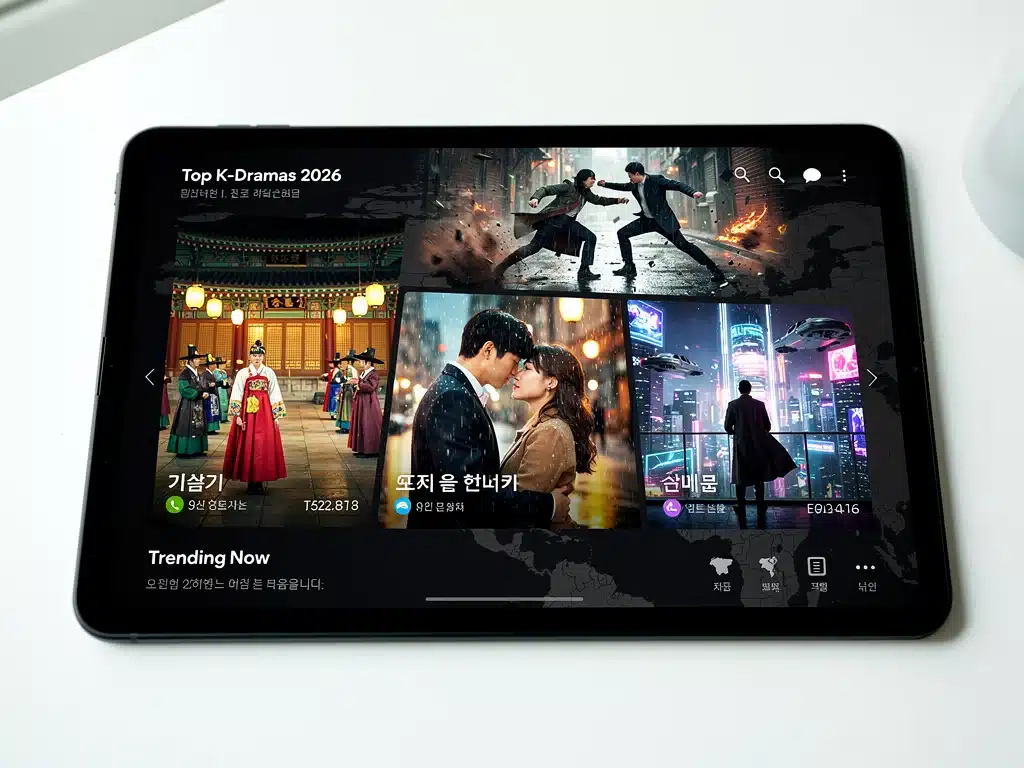
The evolving U.S. streaming landscape for K-dramas in 2026 will be defined by five key trends, including genre diversification, advanced production, and interactive storytelling, reshaping audience engagement and industry standards.
The world of Korean dramas, affectionately known as K-dramas, has transcended its origins to become a global phenomenon, captivating audiences across the United States. As we look towards 2026, understanding K-Drama Trends 2026 is crucial for anyone interested in the future of entertainment. This guide offers an insider’s perspective on what’s next for these beloved series on U.S. streaming platforms, revealing the shifts that will shape their popularity and influence.
Advertisements
The Rise of Genre-Bending Narratives: Beyond Romance and Thrillers
For years, K-dramas have been synonymous with compelling romance and nail-biting thrillers. However, 2026 is set to usher in an era where genre boundaries become increasingly blurred, giving rise to incredibly innovative storytelling. This trend reflects a growing sophistication in audience tastes and a desire for narratives that defy easy categorization, offering fresh perspectives and unexpected plot twists.
Content creators are experimenting with unique combinations, merging elements from traditionally separate genres to craft truly original works. This means viewers can anticipate K-dramas that blend historical settings with sci-fi elements, or romantic comedies infused with dark fantasy. The aim is to surprise and engage audiences in ways that conventional genre formats simply cannot.
Exploring Hybrid Genres
The concept of hybrid genres isn’t entirely new, but its application in K-dramas is reaching unprecedented levels of creativity. Writers and directors are no longer afraid to take risks, knowing that U.S. streaming audiences are open to complex, multi-layered stories.
- Sci-Fi Historical Dramas: Imagine a Joseon-era drama with time travel or alien encounters, challenging traditional historical narratives.
- Fantasy Rom-Coms: Blending whimsical magical elements with the humor and heart of a romantic comedy, offering escapism with a twist.
- Dystopian Social Commentary: Using futuristic settings to critique contemporary societal issues, adding depth to action-packed thrillers.
These genre fusions are not merely superficial additions; they are integral to the narrative structure, enhancing thematic depth and character development. The result is a richer, more immersive viewing experience that keeps audiences guessing and emotionally invested.
This movement towards genre-bending narratives signifies a maturation of the K-drama industry, showcasing its ability to adapt and innovate while retaining its unique cultural essence. Viewers in the U.S. can look forward to a diverse array of stories that challenge conventions and expand the very definition of what a K-drama can be.
Advanced Production Techniques: Immersive Visuals and Soundscapes
The visual and auditory quality of K-dramas has always been a point of pride, known for its aesthetic appeal. In 2026, this aspect is set to reach new heights with the widespread adoption of advanced production techniques. These innovations are not just about making shows look better; they are about creating deeply immersive experiences that transport viewers directly into the story.
From cutting-edge CGI to sophisticated sound design, producers are investing heavily in technologies that enhance every frame and every note. This commitment to technical excellence ensures that K-dramas remain competitive on the global stage, offering a cinematic quality that rivals Hollywood productions.
The Power of Virtual Production
Virtual production, utilizing LED walls and real-time rendering, is revolutionizing how K-dramas are made. This technology allows for the creation of intricate and fantastical worlds with unparalleled realism, reducing the need for extensive location shooting and post-production.
- Realistic Fantasy Worlds: Seamlessly integrating mythical creatures and magical landscapes into live-action scenes.
- Dynamic Historical Recreations: Bringing ancient palaces and bustling marketplaces to life with authentic detail and scale.
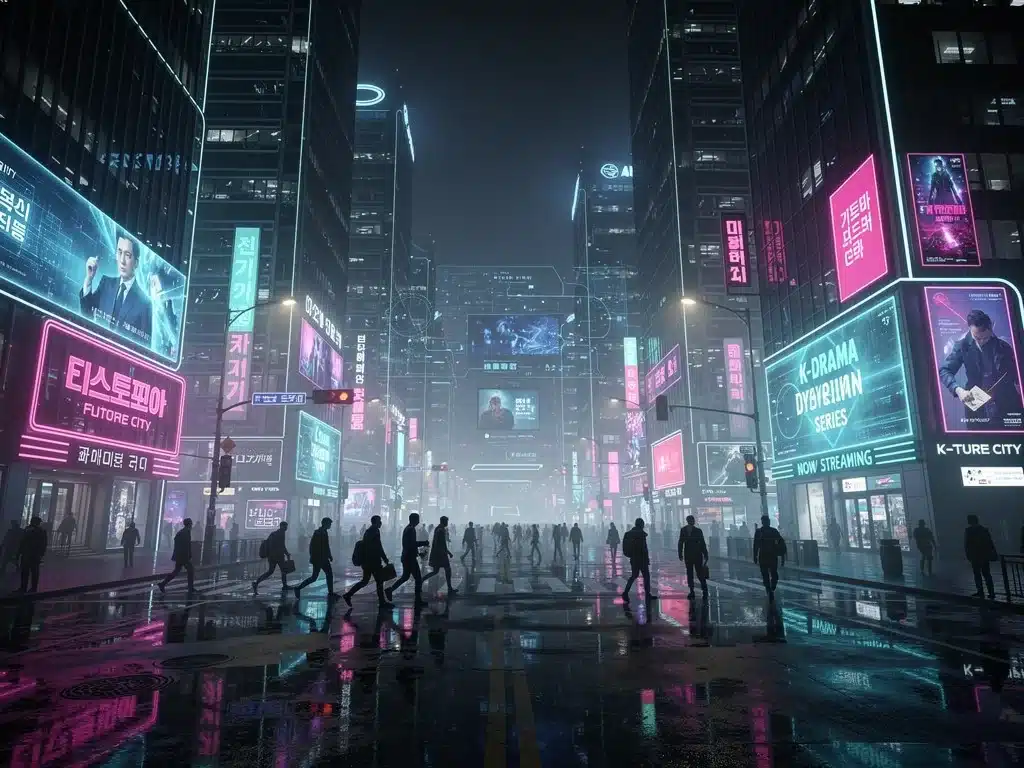
- Cutting-Edge Sci-Fi Environments: Crafting believable futuristic cities and alien planets that feel tangible and lived-in.
Beyond visuals, sound design is also undergoing a renaissance. Immersive audio formats, such as Dolby Atmos, are becoming more common, creating a multi-dimensional soundscape that envelops the viewer. Every whisper, explosion, and musical note is meticulously placed to enhance emotional impact and narrative tension.
These advancements in production are not just about spectacle; they are about elevating the art of storytelling. By harnessing the latest technology, K-drama creators can bring their wildest visions to life, offering U.S. audiences a viewing experience that is both visually stunning and emotionally resonant. The future of K-drama production is bright, promising an era of unparalleled cinematic richness.
Increased Global Collaboration: Cross-Cultural Storytelling
The global appeal of K-dramas has naturally led to increased international partnerships, and 2026 will see this trend solidify even further. These collaborations are not just about co-financing; they involve a deeper integration of creative talents, resulting in truly cross-cultural stories that resonate with diverse audiences worldwide.
U.S. streaming platforms are actively seeking out opportunities to co-produce K-dramas, recognizing the immense talent and storytelling prowess within the Korean industry. This leads to a fascinating exchange of ideas, blending Korean narrative sensibilities with Western production values and thematic concerns.
Benefits of International Partnerships
Global collaboration brings numerous advantages, from expanded budgets to fresh perspectives. When creators from different cultural backgrounds come together, the resulting stories are often more nuanced and universally appealing.
- Diverse Storylines: Incorporating elements from various cultures to create narratives that appeal to a broader demographic.
- Enhanced Production Values: Leveraging resources and expertise from both sides to achieve higher quality visuals and sound.
- Wider Distribution: Ensuring that K-dramas reach an even larger global audience, breaking down geographical barriers.
These collaborations also extend to casting, with more K-dramas featuring international actors, further enhancing their global reach and relatability. The blending of languages and cultural references within a single production creates a rich tapestry of storytelling that reflects the increasingly interconnected world.
The trend of increased global collaboration signifies a pivotal moment for K-dramas. It underscores their status as a major player in the international entertainment industry, capable of bridging cultural divides and delivering compelling stories that resonate with viewers from all walks of life. U.S. audiences can expect a new wave of K-dramas that are truly global in their scope and appeal.
Interactive and Multi-Platform Storytelling: Engaging Audiences Deeper
As technology evolves, so do the ways audiences consume and interact with content. In 2026, K-dramas are set to embrace interactive and multi-platform storytelling, moving beyond passive viewing to create more engaging and personalized experiences. This trend recognizes that modern viewers desire more control and participation in the narratives they consume.
This could manifest in various forms, from choose-your-own-adventure style episodes to companion apps that offer additional lore and character insights. The goal is to deepen audience immersion and foster a stronger connection with the K-drama universe, making each viewing unique.
New Forms of Engagement
Interactive storytelling isn’t just a gimmick; it’s a powerful tool for enhancing narrative depth and allowing audiences to explore different facets of a story. This approach caters to the desire for personalized content and active participation.
- Choose-Your-Own-Path Episodes: Allowing viewers to make decisions that impact the storyline, leading to multiple endings.
- Augmented Reality (AR) Experiences: Companion apps that bring K-drama elements into the real world, such as virtual tours of filming locations or interactions with characters.
- Social Media Integration: Live Q&A sessions with cast and crew, fan-created content challenges, and interactive polls that shape future plot points.
Multi-platform storytelling also means extending the K-drama narrative across various media, such as webtoons, video games, and even virtual reality experiences. This creates a holistic universe that fans can explore beyond the confines of the main series, offering endless opportunities for engagement.
This shift towards interactive and multi-platform storytelling represents a significant evolution in how K-dramas are conceived and consumed. It’s about creating an ecosystem of content that caters to the modern viewer’s desire for active participation, ensuring that K-dramas remain at the forefront of innovative entertainment in the U.S. and beyond.
Enhanced Focus on Social Commentary and Realism: Reflecting Modern Life
While K-dramas have always touched upon societal issues, 2026 will see an even more pronounced focus on social commentary and realism. This trend reflects a growing demand for stories that are not only entertaining but also thought-provoking, addressing contemporary challenges and offering nuanced perspectives on the human condition.
Creators are increasingly willing to tackle difficult subjects, from mental health and class disparity to environmental concerns and political corruption. These narratives aim to spark conversations and encourage critical thinking, making K-dramas a powerful medium for social change and reflection.
Addressing Complex Issues
The move towards realism means portraying characters and situations with greater authenticity, avoiding overly simplistic solutions or idealized outcomes. This approach allows for a deeper exploration of human experiences and societal complexities.
- Mental Health Awareness: Dramas that sensitively portray struggles with anxiety, depression, and trauma, promoting understanding and destigmatization.
- Socio-Economic Disparities: Exploring the impact of wealth inequality and social stratification on individuals and communities.
- Environmental Concerns: Incorporating themes of climate change and sustainability into narratives, raising awareness about pressing global issues.
These dramas often feature morally ambiguous characters and complex ethical dilemmas, reflecting the messy realities of life. They challenge viewers to confront uncomfortable truths and consider different viewpoints, fostering empathy and critical engagement.
The enhanced focus on social commentary and realism in K-dramas signals a commitment to producing meaningful content that resonates with the experiences of a global audience. By addressing relevant and timely issues, K-dramas continue to evolve as a significant cultural force, offering U.S. streaming audiences stories that are both entertaining and profoundly impactful.
The Expansion of Niche Genres and Untapped Markets
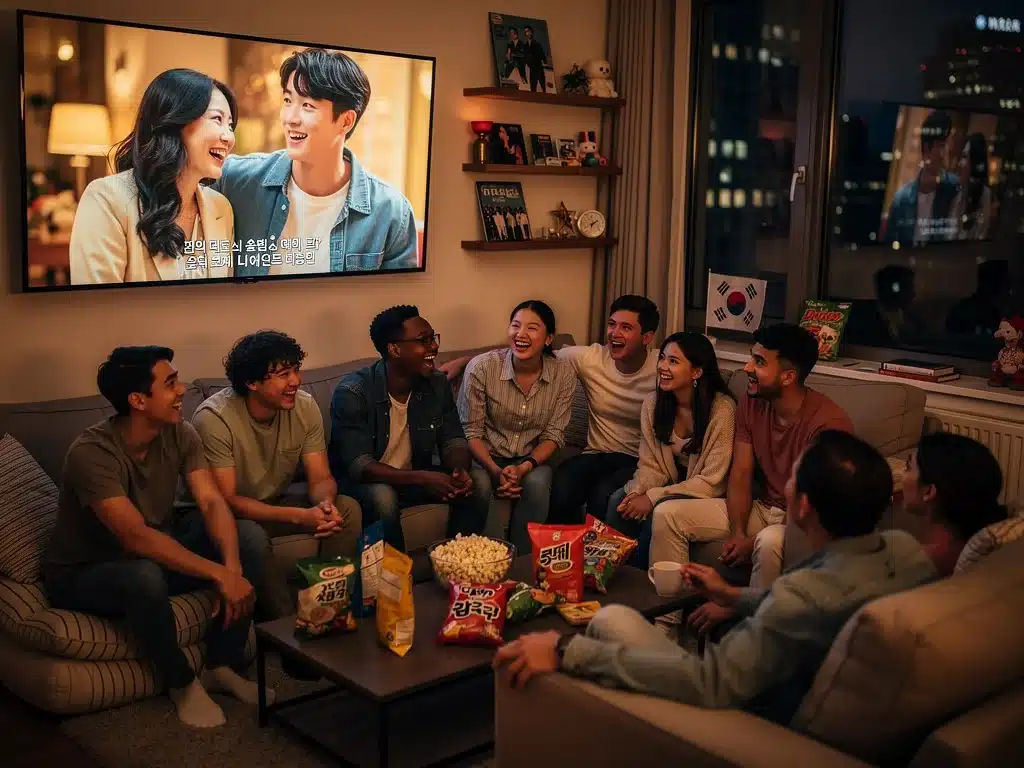
Beyond the prominent trends, 2026 will also witness a significant expansion into niche genres and a concerted effort to tap into previously underserved markets within the K-drama landscape. This strategic diversification aims to broaden the appeal of Korean dramas even further, catering to specialized tastes and ensuring sustained growth on U.S. streaming platforms.
Historically, certain genres dominated K-drama exports. However, as the global audience grows more sophisticated and diverse, there’s an increasing appetite for unique narratives that fall outside the traditional bounds. This push into niche areas not only satisfies existing fans looking for something new but also attracts entirely new demographics to the K-drama phenomenon.
Discovering New Narrative Territories
The exploration of niche genres is a testament to the creative vitality of the Korean entertainment industry. It demonstrates a willingness to experiment and invest in stories that might have once been considered too unconventional for mass appeal.
- Legal and Medical Procedurals: Moving beyond romanticized portrayals to offer gritty, realistic insights into these professional fields, akin to popular Western series.
- Mythological and Folklore Adaptations: Tapping into rich Korean mythology and folklore to create fantastical narratives that are distinct from Western fantasy tropes.
- Maturity-Focused Dramas: Exploring themes and relationships relevant to older demographics, including stories about second chances, career changes, and navigating later life.
Furthermore, streaming platforms are becoming more adept at using data analytics to identify underserved communities and tailor content to their preferences. This means we might see K-dramas specifically designed to appeal to specific subcultures, age groups, or ethnic communities within the U.S., fostering a deeper sense of representation and connection.
This expansion into niche genres and untapped markets is a smart move for K-dramas, ensuring their longevity and continued relevance. By offering a wider spectrum of stories, they can capture the imagination of an even broader audience, solidifying their position as a versatile and indispensable part of the U.S. streaming content library in 2026 and beyond.
| Key Trend | Brief Description |
|---|---|
| Genre-Bending Narratives | Fusion of multiple genres (e.g., sci-fi historical, fantasy rom-com) for innovative storytelling. |
| Advanced Production | Utilizing virtual production, cutting-edge CGI, and immersive sound for cinematic quality. |
| Global Collaboration | Increased international partnerships leading to cross-cultural stories and diverse casts. |
| Interactive Storytelling | Engaging audiences with choose-your-own-path episodes and multi-platform experiences. |
Frequently Asked Questions About K-Drama Trends in 2026
By 2026, K-dramas are set to feature more genre-bending narratives, blending elements like sci-fi with historical settings, or fantasy with romantic comedies. This diversification aims to offer fresh and unexpected plot lines, moving beyond traditional categories to captivate a broader audience seeking unique stories.
K-dramas in 2026 will heavily utilize advanced production techniques, including virtual production with LED walls for realistic sets and cutting-edge CGI. Immersive sound design, like Dolby Atmos, will also become more prevalent, creating a cinematic experience that deeply engages viewers visually and audibly.
Yes, increased global collaboration is a major trend. U.S. streaming platforms will actively co-produce K-dramas, leading to cross-cultural storytelling that combines Korean narrative sensibilities with Western production values. This will also result in more diverse casting and broader international distribution.
Interactive and multi-platform storytelling will become prominent. Viewers can expect choose-your-own-adventure style episodes, companion augmented reality (AR) apps, and deeper social media integration. These innovations aim to provide personalized experiences and foster stronger connections with the K-drama universes.
K-dramas in 2026 will exhibit an enhanced focus on social commentary and realism. They will tackle complex issues like mental health, socio-economic disparities, and environmental concerns, offering thought-provoking narratives that reflect modern life and encourage critical thinking among global audiences.
Conclusion
The landscape of K-dramas on U.S. streaming platforms is undergoing a profound transformation, with 2026 poised to be a landmark year for innovation and expansion. The trends discussed—genre-bending narratives, advanced production techniques, increased global collaboration, interactive storytelling, and a deeper focus on social commentary—collectively paint a picture of a dynamic and evolving industry. These shifts are not merely superficial; they represent a maturation of K-drama as a global entertainment force, capable of captivating, challenging, and connecting with audiences on a deeper level. For U.S. viewers, this means an even richer, more diverse, and engaging array of K-dramas to look forward to, solidifying their place as an indispensable part of the modern streaming experience.
